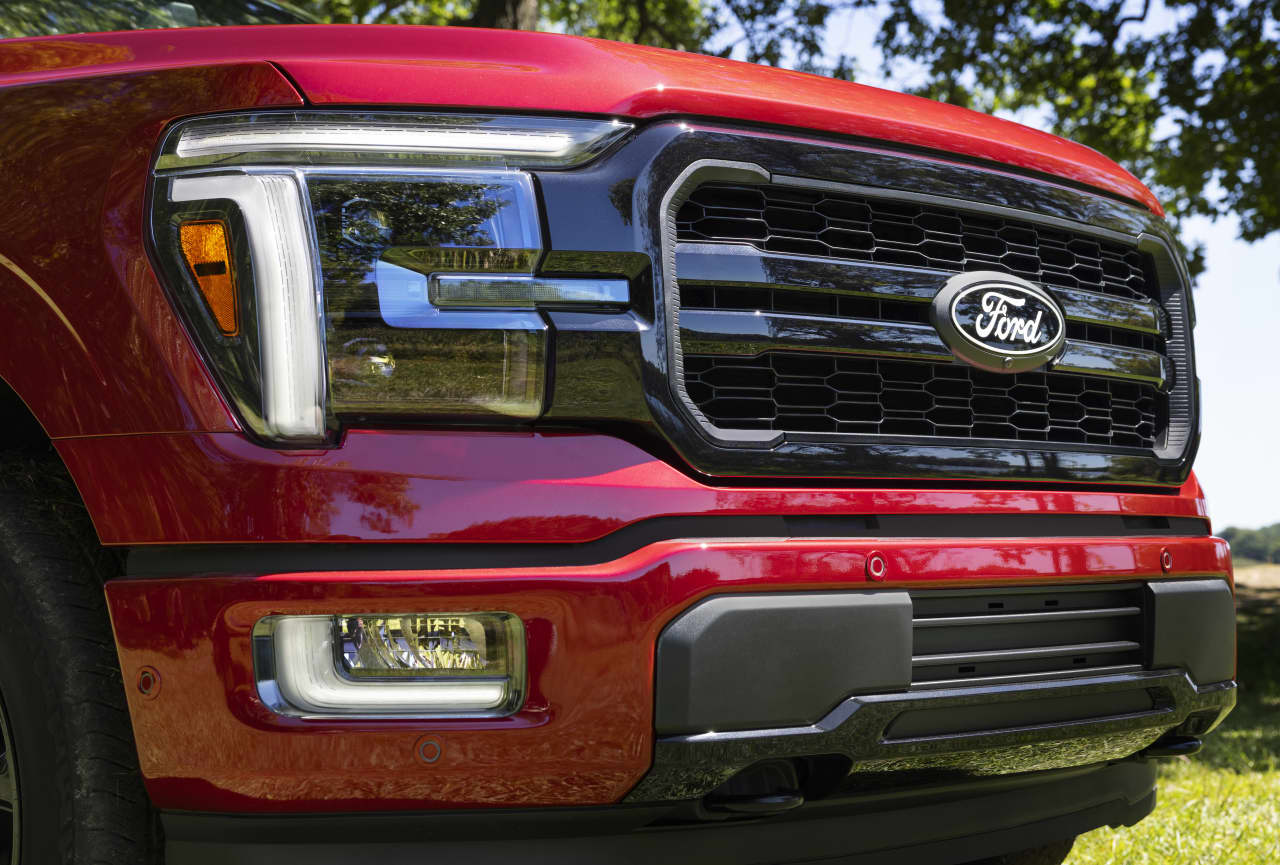
Ford is doubling down on its iconic F-150 pickup truck, even as the automotive industry shifts towards electric vehicles. The company is reinforcing its commitment to the F-150 series in response to strong customer demand and to mitigate supply chain disruptions stemming from a fire at an aluminum supplier. This strategy includes redeploying employees from the EV sector to bolster F-150 production, showcasing Ford’s agility in adapting to market dynamics and supply constraints.
This decision reflects a strategic balancing act, highlighting the enduring strength of the F-150 in the face of a growing EV market. Ford’s prioritization of F-150 production allows them to capitalize on current market demands, ensuring they meet the needs of consumers for their best-selling pickup. The company’s resilience in the automotive sector is on full display as it navigates these challenges.
The shift in focus involves optimizing production processes and adding workers to compensate for the supply chain issues. Consumers are keenly observing whether this strategic reallocation will positively impact Ford’s overall production targets and profitability, demonstrating the F-150’s continued significance in Ford’s overall business strategy.
Ford’s decision to prioritize F-150 production amidst the growing electric vehicle market reflects a nuanced understanding of the current automotive landscape. While the long-term trend undeniably points towards electrification, the immediate reality is that the F-150 remains a crucial revenue driver and a symbol of Ford’s brand identity. The redeployment of EV sector employees to support F-150 production highlights the short-term challenges and strategic adjustments necessary in navigating the transition.
This move can be interpreted as a pragmatic response to supply chain disruptions and sustained demand for the F-150. By optimizing production and allocating resources accordingly, Ford aims to maintain profitability and market share in the near term. Industry analysts view this as a calculated risk, balancing the need to invest in future technologies with the imperative to capitalize on existing strengths.
The success of this strategy hinges on several factors, including the ability to effectively manage supply chain constraints and maintain consumer loyalty in the face of increasing competition from both traditional automakers and new EV entrants. The F-150’s continued dominance will depend on its ability to adapt to changing consumer preferences and incorporate new technologies, including electrification options like the F-150 Lightning.
Looking ahead, Ford’s long-term vision likely involves a gradual transition towards a more diversified product portfolio, with EVs playing an increasingly prominent role. However, the F-150 will likely remain a cornerstone of Ford’s business for years to come. This strategic balancing act underscores the complexities of navigating the automotive industry’s transition, requiring both innovation and a keen understanding of market dynamics. The F-150’s ongoing relevance showcases the importance of established brands and the enduring appeal of traditional vehicle segments.
About the Author