Trump’s Greenland Push: US-Europe Alliance at Brink in 2026
🔑 KEY TAKEAWAYS
- ✓ Alliance Strain: President Trump’s aggressive stance on Greenland pushes the 80-year-old U.S.-Europe alliance to a critical breaking point.
- ✓ European Response: European leaders are deeply concerned, openly questioning the future viability and strategic purpose of the transatlantic partnership.
- ✓ Geopolitical Impact: This diplomatic tension risks fragmenting global security frameworks and reshaping international power dynamics significantly.
- ✓ Future Outlook: Upcoming diplomatic meetings and statements from key officials will critically influence the alliance’s path forward in 2026.
- ✓ Global Relevance: This critical development impacts global security, economic stability, and the future of multilateral cooperation for all nations.
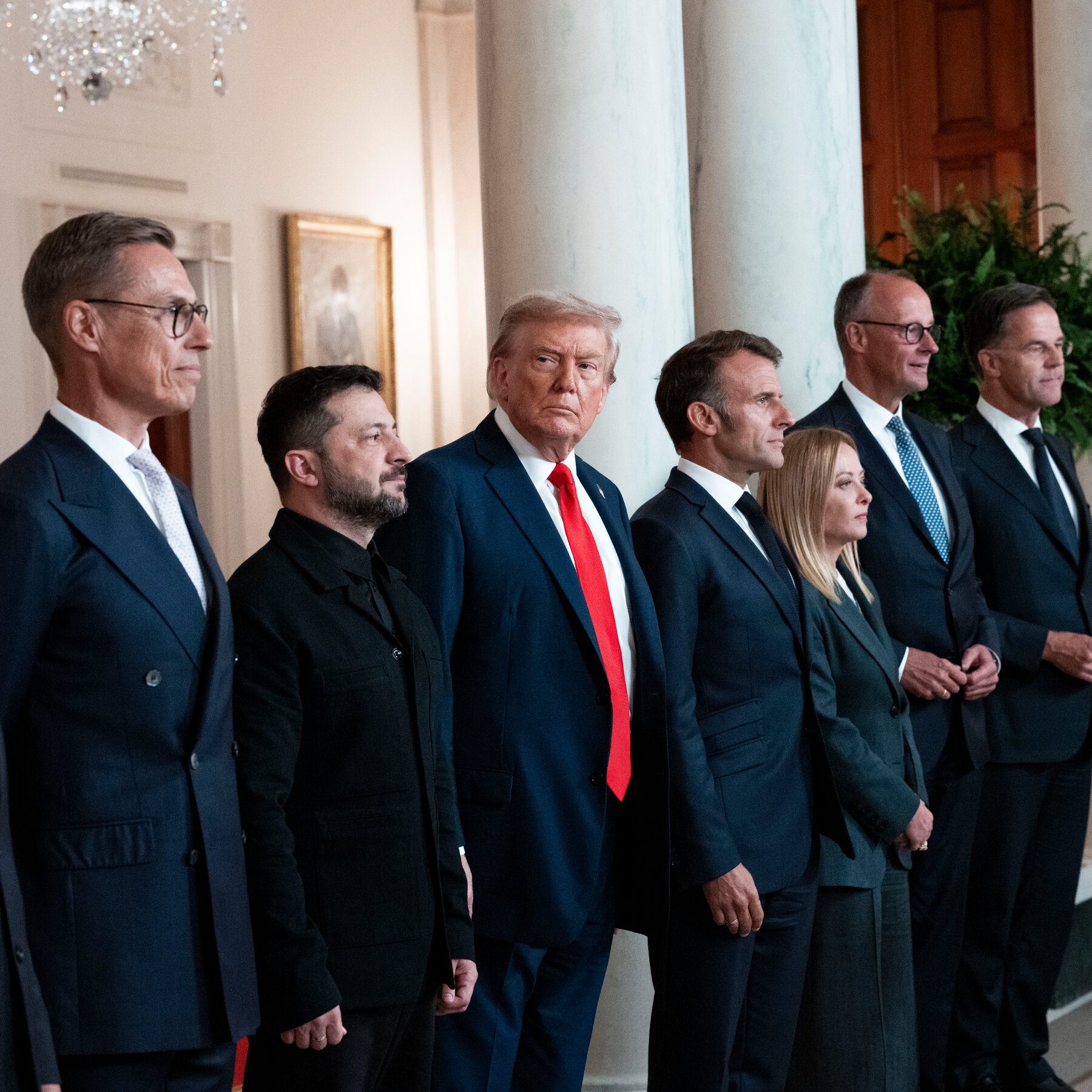
President Donald Trump’s aggressive stance on Greenland, attempting to coerce European leaders, has dramatically pushed the U.S.-Europe alliance to a critical brink. This unprecedented diplomatic pressure raises fundamental questions about the future of an 80-year-old transatlantic partnership, posing a significant challenge to global stability and current affairs in 2026.
For general readers and news consumers, this development signals a profound shift in international relations, potentially reshaping geopolitical alignments and trade dynamics. The stability of a long-standing security framework is now under intense scrutiny, impacting global security and diplomatic trust.
Reports indicate high-level discussions among European capitals, pondering the “unthinkable” implications of a fractured alliance, as cited by The New York Times on January 20, 2026. This reflects deep concern across the continent.
This analysis delves into the historical context, current tensions, and potential ramifications for global order, providing today’s updates on this crucial issue.
What is straining the U.S.-Europe alliance in 2026?
President Trump’s aggressive pursuit of Greenland, combined with a broader “America First” foreign policy, is severely straining the U.S.-Europe alliance in 2026. European leaders perceive this as coercive and a fundamental challenge to the shared values and mutual security interests that have underpinned the transatlantic partnership for eight decades. This creates unprecedented diplomatic tension.
The transatlantic alliance, primarily forged in the aftermath of World War II, has historically relied on shared democratic principles, collective security through NATO, and robust economic ties. Trump’s transactional approach, however, often prioritizes perceived national gain over multilateral cooperation, leading to friction on issues ranging from trade tariffs to defense spending. This shift contrasts sharply with decades of diplomatic norms.
The Greenland issue, specifically Trump’s expressed interest in purchasing the autonomous Danish territory, epitomizes this coercive style. When Denmark, a key NATO ally, firmly rejected the notion, Trump’s subsequent public criticisms and perceived diplomatic slights further exacerbated European anxieties, pushing the alliance closer to a breaking point.
What Are the Key Details of Trump’s Greenland Strategy?
President Trump’s Greenland strategy centers on a perceived strategic opportunity to acquire the vast Arctic territory, citing its abundant natural resources and crucial geopolitical location. His administration has reportedly explored various avenues for acquisition, despite Denmark’s unequivocal rejections. This persistent pressure has been met with unified European opposition, highlighting the depth of the diplomatic rift.
Trump’s interest in Greenland stems from a long-held fascination with large-scale acquisitions, combined with a strategic assessment of the Arctic’s growing importance. Greenland offers a significant landmass, potential access to rare earth minerals, and a strategic position for military and scientific endeavors, particularly relevant amidst escalating global competition in the Arctic region. This vision, however, clashes with international diplomatic norms and national sovereignty.
European officials and political analysts widely view Trump’s approach as dismissive of allied sovereignty and a direct challenge to the spirit of cooperation. Rather than engaging through established diplomatic channels for mutual benefit, his administration’s perceived attempts at coercion have solidified European resolve and sparked deeper conversations about the necessity of strategic autonomy from the United States.
How Does This Impact Global Geopolitics and Trade?
The strain on the U.S.-Europe alliance significantly impacts global geopolitics by weakening collective security structures like NATO, potentially leading to a more fragmented international landscape. In trade, it fosters uncertainty and could accelerate protectionist tendencies, altering established economic partnerships. This creates a ripple effect across international relations and global stability.
A weakened transatlantic bond undermines the collective ability to address pressing global challenges, including climate change, pandemics, and the rise of authoritarian powers. It emboldens rivals who may seek to exploit divisions, leading to increased instability in regions like Eastern Europe and the Indo-Pacific. The core of multilateralism suffers when key democratic allies diverge so fundamentally.
Economically, prolonged diplomatic tensions can translate into trade disputes, tariffs, and reduced investment confidence. European nations might seek to diversify their economic partnerships away from the U.S., potentially towards Asian markets, impacting global supply chains and trade flows. This shift could reshape the architecture of international commerce, with significant implications for General Readers and News Consumers worldwide.
What Should International Observers Watch Next?
International observers should closely monitor upcoming NATO summits and European Union foreign policy statements for signs of either reconciliation or further divergence within the U.S.-Europe alliance. Key diplomatic engagements between Washington and European capitals will be crucial in determining the immediate trajectory of transatlantic relations. The political landscape of 2026 remains highly fluid.
Specific catalysts to watch include any joint declarations or communiques from NATO meetings, which will signal the level of consensus (or discord) among member states. Additionally, statements from European leaders regarding their strategic autonomy and defense capabilities will indicate their long-term vision for security independent of, or alongside, the United States. These will provide crucial today updates on the situation.
Potential scenarios range from a reluctant patching up of relations, driven by practical security concerns, to a more definitive decoupling where Europe pursues a truly independent foreign and defense policy. A third possibility involves a re-evaluation of the alliance’s foundational principles, potentially leading to new terms of engagement if a common ground is found. For General Readers, News Consumers, understanding these dynamics is key to grasping global shifts.
To gain actionable insight, pay attention to the rhetoric from both sides, looking for compromises or escalations. Observe voting patterns in international forums and any new trade agreements or defense pacts forged by European nations. These actions will reveal the true health and direction of the venerable U.S.-Europe alliance, a vital component of India News and global stability.
❓ Frequently Asked Questions
What is the main point of contention regarding Greenland?
President Trump’s expressed desire to purchase Greenland, an autonomous territory of Denmark, is the primary contention. Denmark’s steadfast refusal and Trump’s subsequent public reactions have created significant diplomatic friction, leading to European concerns about U.S. respect for allied sovereignty and international norms within the US-Europe alliance.
Why is the U.S.-Europe alliance considered so vital?
The U.S.-Europe alliance, primarily through NATO, has been the cornerstone of global security and stability for over 80 years. It provides collective defense, promotes democratic values, and facilitates economic cooperation. Its vitality ensures a unified front against common threats and maintains a balance of power in international relations, crucial for current affairs.
How might a weakened alliance affect global security?
A weakened U.S.-Europe alliance could lead to increased global instability, as it might embolden adversarial nations and diminish the capacity for coordinated international responses to crises. It risks fragmenting democratic blocs, making it harder to address shared security challenges like terrorism, cyber warfare, and geopolitical rivalries effectively, impacting breaking news scenarios.
Who are the key players in this diplomatic standoff?
The key players include the United States, led by President Trump, and European nations, particularly Denmark, Greenland, and other influential EU members. NATO also plays a critical role as the institutional embodiment of the transatlantic security partnership. Their diplomatic actions and reactions will shape the alliance’s future, forming key today updates.
📚 Related Topics on Stock99.in
Explore more latest updates:
- NATO's Future: Challenges and Reforms in 2026
- US Foreign Policy Shifts Under Recent Administrations
- European Union's Quest for Strategic Autonomy
- Geopolitical Significance of the Arctic Region
- India's Stance on Multilateral Alliances
About the Author