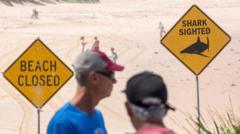
Sydney Shark Attack Shocks: Man Seriously Injured, Third in Two Days
🔑 KEY TAKEAWAYS
- ✓ Serious Injury: A 12-year-old boy sustained severe injuries in a shark attack in Sydney Harbour.
- ✓ Unprecedented Frequency: This marks the third shark attack incident in Sydney waters within a mere two-day period.
- ✓ Location of Incident: The attack occurred while the boy was jumping from a rock ledge in the usually bustling Sydney Harbour.
- ✓ Public Safety Alert: Authorities have issued heightened warnings, advising extreme caution for anyone entering Sydney’s waterways.
- ✓ Ongoing Investigation: Marine experts are investigating the surge in shark activity to understand the underlying causes and mitigate future risks.
Breaking news from Australia indicates a significant marine safety alert as a 12-year-old boy suffered serious injuries in a shark attack within Sydney Harbour on January 19, 2026. This alarming incident marks the third such shark attack reported in Sydney waters in just two days, prompting urgent public safety warnings across the region.
This unprecedented frequency of shark encounters in a major metropolitan area like Sydney raises critical questions for residents, tourists, and marine authorities. The incident has intensified concerns about the safety of recreational water activities and the potential impact on local communities.
The young victim was reportedly jumping from a rock ledge when the shark mauled him, highlighting the unpredictable nature of these encounters. Emergency services swiftly responded, transporting the boy for immediate medical attention, though his condition remains severe.
This article delves into the details of these recent shark attacks, explores expert insights into their causes, assesses the broader implications for public safety, and outlines the preventative measures currently under discussion for the latest updates.
What Exactly Occurred in Sydney Harbour on January 19, 2026?
On January 19, 2026, a 12-year-old boy experienced a severe shark attack while engaging in recreational activity in Sydney Harbour. The incident occurred as he was jumping from a rock ledge, a popular local pastime, when a shark unexpectedly mauled him. Emergency services quickly arrived, providing critical first aid before transporting him to a nearby hospital with serious injuries.
The attack unfolded in a well-frequented part of Sydney Harbour, underscoring the sudden and unpredictable nature of such marine encounters. Witnesses reported immediate distress calls, leading to a rapid response from marine rescue and paramedics. The precise species of shark involved remains under investigation, but the swift action of rescuers was crucial in managing the severity of the victim’s wounds.
Paramedics stabilized the young victim at the scene for significant lacerations and trauma before transferring him to a specialized medical facility. Doctors are currently evaluating his condition, which has been described as serious but stable, requiring extensive treatment for his injuries. This specific event has heightened the urgency of understanding the increased shark activity in these urban waterways.
Why Has Sydney Seen Three Shark Attacks in Just Two Days?
Sydney’s recent surge of three shark attacks in two days is highly unusual, prompting marine experts to investigate potential contributing factors such as warmer water temperatures, increased baitfish presence, or specific seasonal breeding patterns. This unprecedented frequency points to a possible temporary shift in shark behaviour or migration patterns, making urban waterways more hazardous than typical.
Beyond the January 19 incident, the preceding two attacks also involved serious injuries, though details are still emerging. One previous incident reportedly occurred closer to the harbour’s mouth, while another was in a more secluded bay area, indicating a widespread presence of sharks. These events collectively paint a concerning picture of heightened marine activity and risk for water users across Sydney.
Marine biologists from the University of New South Wales suggest that warmer oceanic currents might be drawing more baitfish into Sydney Harbour, subsequently attracting larger predatory sharks. Experts also highlight that breeding seasons for certain shark species could lead to more aggressive or territorial behaviours. Analyzing historical data reveals such a concentrated cluster of attacks in Sydney is rare, making the current situation particularly alarming and a focus of intense scientific scrutiny.
How Do These Incidents Impact Public Safety and Local Communities?
The sudden cluster of shark attacks significantly impacts public safety, generating widespread fear and prompting authorities to issue urgent warnings, leading to closures of beaches and popular swimming spots. For local communities, particularly those reliant on coastal tourism and water recreation, these incidents create immediate disruptions and long-term concerns about safety and economic vitality.
Primary impacts include a dramatic reduction in recreational water activities, with residents and visitors alike reconsidering swimming, boating, and surfing. Schools and community groups that utilize Sydney’s waterways for sports or leisure have already begun cancelling activities. The psychological effect of these repeated incidents can erode public confidence in the safety of once-cherished natural spaces, fostering anxiety among those living near coastal areas.
Secondary effects extend to Sydney’s vital tourism sector and local businesses. Beachside cafes, surf shops, and tour operators face potential revenue losses as visitors opt for safer alternatives or reconsider travel plans to the region. Stakeholders, including local government, emergency services, and marine conservation groups, are now under immense pressure to collaborate on effective mitigation strategies and restore public trust. This situation demands a balanced approach that protects both human safety and marine ecosystems.
What Preventative Measures and Future Outlook Are Being Discussed?
In response to the recent shark attacks, authorities are actively discussing and implementing a range of preventative measures, including increased drone surveillance, enhanced shark netting in specific areas, and public education campaigns on safer swimming practices. These initiatives aim to reduce immediate risks while informing the public about how to minimize encounters in Sydney’s dynamic marine environment.
Key catalysts for these discussions include urgent demands from the public and local councils for tangible safety improvements. NSW Fisheries and National Parks are deploying additional patrols and utilizing drone technology to monitor shark movements in real-time, providing early warnings to water users. There is also a renewed focus on reviewing and potentially expanding existing shark deterrent programs, such as smart drumlines.
Scenarios for future action include a multi-pronged approach combining advanced technology with ecological understanding. While a complete elimination of risk is impossible, a data-driven strategy focusing on known shark aggregation areas and peak activity times can significantly enhance safety. Public education remains paramount, emphasizing awareness of environmental factors and safe water practices to coexist responsibly with marine life.
What is the Broader Context of Shark Encounters in Australia?
Australia is globally recognized as a hotspot for shark encounters due to its extensive coastline, diverse marine ecosystems, and high population engagement with ocean activities. While incidents are relatively rare given the vast number of interactions, the nation consistently records a significant proportion of the world’s unprovoked shark attacks, involving species like great whites, bull sharks, and tiger sharks.
Historically, Australia has experienced periods of heightened shark activity, often linked to environmental changes, baitfish migrations, or specific seasonal breeding cycles. Major incidents have periodically led to public debate and the implementation of various mitigation strategies, ranging from traditional shark nets to modern SMART drumlines and drone surveillance. These efforts reflect an ongoing challenge to balance public safety with marine conservation.
Compared to international statistics, Australia often ranks among the top countries for shark attacks, although fatality rates remain low due to advanced emergency response and medical care. Research efforts are continuously evolving, focusing on shark behaviour, migration patterns, and the effectiveness of different deterrents. Understanding these broader trends is crucial for developing sustainable strategies that protect both people and the vital marine life that defines Australia’s natural heritage.
❓ Frequently Asked Questions
What caused the recent Sydney shark attack surge?
Experts are investigating several factors for the unusual cluster of Sydney shark attacks, including warmer water temperatures attracting baitfish, specific shark breeding seasons, and increased human activity in coastal waters. No single cause has been definitively identified, but a combination of environmental and behavioral elements likely contributed to the heightened activity.
How frequent are shark attacks in Sydney Harbour?
Shark attacks within Sydney Harbour are historically rare, making the recent three incidents in two days highly exceptional. While sharks are present in the harbour, serious unprovoked attacks are uncommon. This recent surge represents a significant departure from typical patterns, prompting urgent reevaluation of safety protocols.
What safety precautions should be taken in Sydney waters?
Authorities advise extreme caution: avoid swimming at dawn, dusk, or night; stay out of murky water or areas near river mouths; do not swim alone; and avoid areas with known baitfish activity or where people are fishing. Always heed local warnings and closures, and use designated swimming areas with lifeguards.
Is it safe to swim in Sydney Harbour after these incidents?
Following the recent attacks, authorities have issued high-level warnings and closed several popular swimming locations. While safety measures are being increased, caution is paramount. It is advisable to monitor official advisories, avoid areas with recent incidents, and consider alternative recreational activities until the situation stabilizes and clear guidance is provided.
📚 Related Topics on Stock99.in
Explore more latest updates:
- Global Shark Attack Trends 2026: An In-Depth Look
- Australia's Marine Life and Conservation Efforts Explained
- Coastal Safety Guidelines for Swimmers and Water Enthusiasts
- Impact of Climate Change on Marine Ecosystems and Wildlife
- Latest Updates on Sydney Harbour Development and Water Quality
About the Author