Judge Curbs Agents: Landmark Order for Minnesota Protests 2026
🔑 KEY TAKEAWAYS
- ✓ Judicial Oversight: A federal judge has significantly restricted actions of immigration agents against peaceful Minnesota protesters.
- ✓ Protected Activity: Agents cannot retaliate against individuals engaged in peaceful, unobstructive protest activity in the state.
- ✓ Driving Restrictions: The order prevents stopping drivers unless they are forcibly obstructing officers, safeguarding freedom of movement.
- ✓ Civil Liberties Win: This ruling reinforces constitutional rights to protest and limits potential overreach by federal law enforcement.
- ✓ Bottom Line: The decision sets a critical precedent for protecting civil disobedience and ensuring accountability in law enforcement actions.
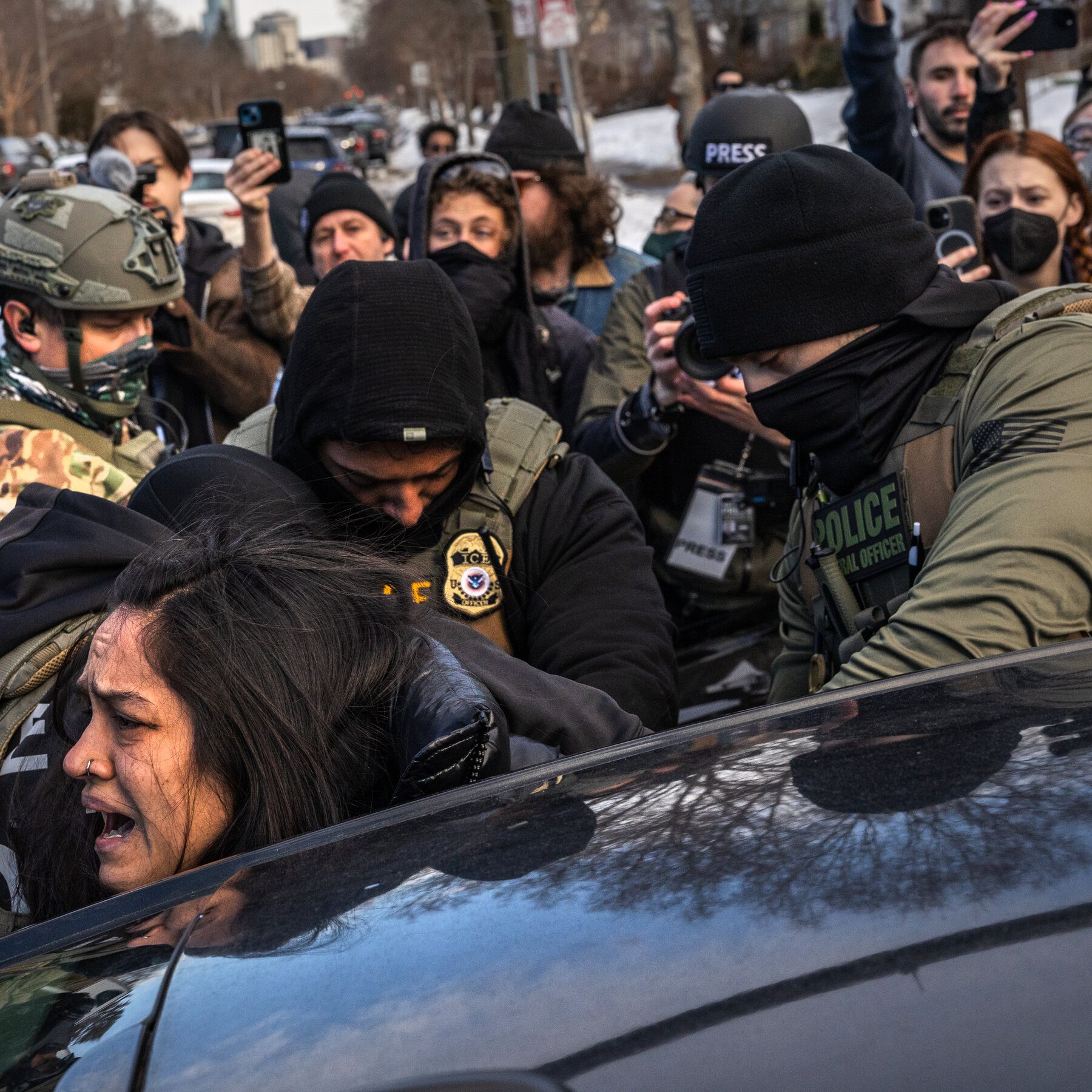
A federal judge has issued a **landmark order** significantly restricting the actions of immigration agents toward protesters in Minnesota. This crucial ruling, delivered on January 17, 2026, explicitly bars agents from retaliating against individuals engaged in peaceful and unobstructive protest activities, ensuring fundamental civil liberties remain protected during demonstrations. This development quickly became a focal point in today’s news updates and current affairs discussions.
This judicial intervention matters immensely for general readers and news consumers as it directly impacts the right to protest and the boundaries of federal law enforcement power. It underscores the judiciary’s role in safeguarding constitutional freedoms, particularly in a climate where public demonstrations are frequent and often intense. The decision could influence similar legal challenges nationwide, shaping the future of protest enforcement.
Specifically, the order states that agents cannot stop drivers unless they are “forcibly obstructing” officers, a clear directive that aims to prevent arbitrary detentions. It also mandates that agents avoid targeting individuals solely for their participation in peaceful assemblies. This sets a clear legal precedent for interactions between federal agents and the public.
Our comprehensive analysis delves into the full implications of this federal court order, examining its legal context, the immediate impact on Minnesota’s protest landscape, and what this critical decision signals for civil rights advocacy and law enforcement practices moving forward.
What Did the Federal Judge Order Regarding Protesters?
A federal judge in Minnesota has issued a decisive order prohibiting immigration agents from retaliating against individuals participating in peaceful and unobstructive protest activity. This judicial directive also restricts agents from stopping drivers who are not actively and forcibly obstructing their official duties, establishing clear boundaries for federal law enforcement engagement during public demonstrations.
This ruling emerged from ongoing legal challenges concerning federal agents’ conduct during various protests in the state, including those related to immigration policies and broader social justice movements. The court’s decision provides a critical legal framework, emphasizing the importance of protecting First Amendment rights while acknowledging the need for public order. It aligns with a broader trend of increased scrutiny over law enforcement tactics during civil unrest, reflecting evolving societal expectations.
The order specifies that agents must differentiate between lawful, non-violent protest and criminal activity, ensuring that the mere act of protesting does not become grounds for detention or harassment. This clarification aims to prevent potential abuses of power and uphold the constitutional right to assembly, a cornerstone of democratic expression. The ruling also implicitly acknowledges the power imbalance between citizens and federal agents.
What Are the Key Details of the Judge’s Restrictions?
The judge’s order imposes two primary restrictions: agents cannot retaliate against individuals for peaceful, unobstructive protest, and they cannot stop drivers unless those drivers are forcibly obstructing officers. These directives aim to prevent unwarranted interference with protest activities and curb arbitrary vehicle stops, reinforcing protections for civil liberties in Minnesota.
The first directive explicitly targets retaliatory actions, which could include surveillance, questioning, or detention initiated solely because an individual exercised their right to protest peacefully. This ensures that participation in lawful demonstrations does not expose citizens to undue federal scrutiny. It creates a shield against intimidation, fostering an environment where dissent can be expressed without fear of repercussions.
The second key detail regarding drivers is equally significant. By defining forcible obstruction as the threshold for stopping vehicles, the court prevents agents from using minor inconveniences or perceived slowdowns as justification for stops. This protects individuals’ freedom of movement and prevents federal agents from broadly disrupting protest support activities, such as transporting supplies or participants. This specific clarification offers crucial protection against broad interpretation of what constitutes obstruction.
How Does This Impact Protest Rights and Law Enforcement?
This order significantly strengthens protest rights by clearly delineating what federal agents can and cannot do during demonstrations, bolstering the First Amendment’s protections for free speech and assembly. For law enforcement, it mandates a more precise and restrained approach, requiring agents to distinguish between peaceful dissent and actual obstruction, thereby enhancing accountability and public trust.
For protesters and advocacy groups, the ruling provides a clearer legal foundation for their activities, potentially reducing instances of harassment or unwarranted intervention. It empowers individuals to exercise their rights more confidently, knowing that judicial oversight exists to protect them from excessive force or retaliatory actions. This legal precedent could encourage more active participation in civil discourse and demonstrations, fostering a healthier democratic environment. It also offers a blueprint for other states facing similar challenges.
Conversely, federal immigration agencies must adapt their operational protocols and training to comply with these new judicial mandates. This might involve reviewing existing engagement strategies, providing clearer guidelines to agents on the ground, and emphasizing de-escalation tactics. The ruling serves as a reminder that law enforcement actions are subject to judicial review, promoting greater transparency and adherence to constitutional principles. This shift demands a nuanced understanding of civil liberties versus operational necessities.
What Should Citizens and Authorities Watch Next?
Citizens should closely monitor how federal immigration agencies implement these new restrictions and report any perceived violations to civil rights organizations. Authorities, meanwhile, must ensure comprehensive training for agents and transparent communication with the public to rebuild trust and demonstrate compliance with the court’s landmark order.
Upcoming legal challenges or appeals against this ruling might emerge, which could further refine or alter its scope. Advocacy groups will likely track agent conduct meticulously, collecting data on interactions at future protests to assess compliance and identify any new patterns of engagement. This ongoing vigilance is crucial for ensuring the order’s effectiveness and upholding its protective intent, especially as federal policies evolve. Any significant deviation from the order could trigger further legal action.
Furthermore, this Minnesota decision could inspire similar litigation in other states, potentially leading to a broader re-evaluation of federal law enforcement powers during protests nationwide. This landmark judicial action serves as a crucial point of reference for civil liberties advocates and legal scholars alike, shaping discussions on human rights and government accountability. Observing these developments will offer vital insights into the evolving landscape of protest rights and law enforcement oversight across the United States.
❓ Frequently Asked Questions
What is the core of the judge’s recent ruling?
The federal judge’s ruling primarily restricts immigration agents from retaliating against peaceful, unobstructive protesters. It also prevents them from stopping drivers unless those individuals are actively and forcibly obstructing officers, establishing clearer guidelines for federal agent conduct during public demonstrations.
Why was this judicial order issued in Minnesota?
The order was issued in response to concerns and legal challenges regarding the conduct of immigration agents during various protests in Minnesota. Advocacy groups and individuals sought judicial intervention to protect constitutional rights to free speech and assembly, leading to the court’s specific directives.
How do these restrictions affect immigration agents?
The restrictions compel immigration agents to operate with greater caution and precision during protests. They must now clearly distinguish between peaceful protest and forcible obstruction, necessitating revised training and operational protocols to ensure compliance with the court’s mandates and respect for civil liberties.
Who benefits most from this new court directive?
The primary beneficiaries are protesters and civil liberties advocates, whose rights to peaceful assembly and free expression are significantly reinforced. The public at large also benefits from enhanced accountability for federal law enforcement and clearer boundaries on government power during demonstrations, fostering a more secure environment for civic engagement.
📚 Related Topics on Stock99.in
Explore more latest updates:
- Civil Liberties in a Digital Age: India's Perspective
- Understanding Protest Laws and Rights Globally
- The Role of Federal Judiciary in Democratic Governance
- Immigration Policies and Human Rights: A Global Overview
- Constitutional Rights and Their Enforcement in Democracies
About the Author