Key Takeaways
UK government bans Dutch far-right figure Eva Vlaardingerbroek, citing ‘public good.’ Explore policy implications, free speech debates, and international reactions.
Overview
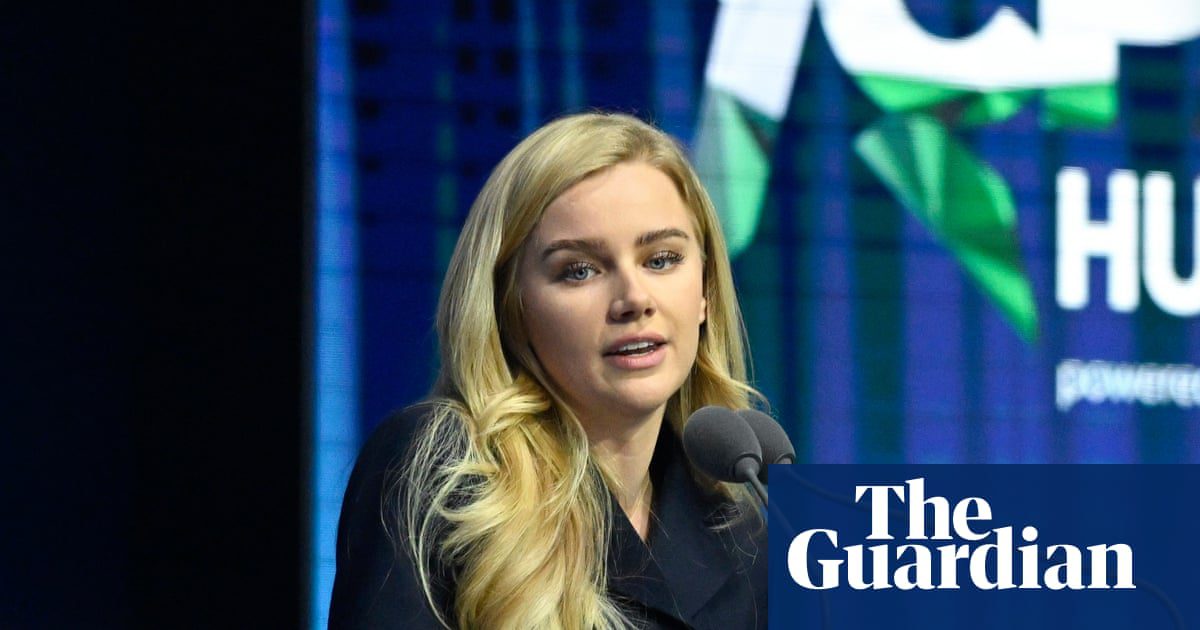
The UK government’s decision to ban Dutch far-right influencer Eva Vlaardingerbroek from entering the country has ignited significant political debate. This action, confirmed by what appears to be an official notification, cites her presence as “not considered to be conducive to the public good,” signaling a firm stance on controversial foreign figures.
This development is crucial for News Readers, Policy Watchers, and Political Analysts as it highlights governmental responses to divisive rhetoric and the complex interplay between national sovereignty, free speech, and public order. It raises questions about the parameters nations set for entry based on an individual’s ideological positions.
Vlaardingerbroek, who promotes theories like the “great replacement” and uses terms such as “Generation Remigration,” was reportedly informed of her Electronic Travel Authorisation (ETA) cancellation on Tuesday, January 15, 2026.
The incident has already drawn international attention, including a supportive post from Hungarian Prime Minister Viktor Orbán, and critical reactions from within the UK, setting the stage for further discourse on similar government policy implications.
Detailed Analysis
The recent decision by the UK Home Office to deny entry to Dutch far-right influencer Eva Vlaardingerbroek underscores a growing trend among nations to exercise discretionary powers at their borders concerning individuals deemed disruptive to public order or national interest. This proactive measure by the UK government marks a significant moment in the ongoing global dialogue surrounding the limits of free speech, immigration policy, and the right of sovereign states to protect their public good. Historically, governments worldwide have invoked similar powers, from banning Islamist preachers for defending terrorist groups, as seen earlier this month with an individual defending Hamas, to permanently barring figures like anti-Islamic extremist Martin Sellner in 2019. These actions reflect a consistent, albeit evolving, governmental strategy to regulate who may enter their territory based on potential societal impact rather than solely on criminal records, setting a precedent for international political discourse.
Detailed examination of the UK’s action reveals a specific focus on Vlaardingerbroek’s rhetoric and associations. Her promotion of the “great replacement” conspiracy theory and use of the term “Generation Remigration”—widely interpreted as a euphemism for forced mass deportations—likely contributed to the Home Office’s assessment. During a significant far-right protest in London, she stated: “They are demanding the sacrifice of our children on the altar of mass migration. Let’s not beat about the bush – this is the rape, replacement, and murder of our people … Remigration is possible, and it’s up to us to make it happen.” Such pronouncements, coupled with her description of UK opposition leader Keir Starmer as an “evil, despicable man,” appear to have triggered the governmental determination that her presence was “not conducive to the public good.” This decision highlights the fine line governments navigate between upholding freedom of expression and preventing speech perceived to incite hatred or undermine social cohesion, making it a critical aspect of contemporary government policy and border control measures.
The UK’s action, while significant, is not isolated. France recently announced a ban on ten British anti-migrant activists, demonstrating a broader European trend towards restricting the movement of individuals promoting extremist or divisive ideologies. This parallel action suggests a potential, albeit informal, alignment among some European nations in addressing the rise of far-right activism. However, the international reaction to the UK ban also highlights ideological cleavages; Hungarian Prime Minister Viktor Orbán swiftly welcomed Vlaardingerbroek to Hungary, a country that hosted a Conservative Political Action Conference (CPAC) featuring far-right and hardline conservative parties in 2024. Conversely, figures within the UK, such as former Prime Minister Liz Truss and anti-immigration MP Rupert Lowe, criticized the ban as an assault on free speech, drawing comparisons to criticisms from figures in the Trump administration regarding similar policies. This divergence of opinion underscores the complex and often contentious nature of such government policy decisions on the global stage.
For News Readers, Policy Watchers, Informed Citizens, and Political Analysts, this incident serves as a crucial case study in the evolving landscape of international relations and government policy regarding political expression and border control. It reinforces the discretionary power of national governments to define what constitutes a threat to the “public good,” often sparking intense debate about the balance between national security, social cohesion, and individual liberties. Stakeholders should monitor potential legal challenges to such bans, further reactions from international political figures and organizations, and any shifts in the UK’s or other European nations’ stated criteria for denying entry based on ideology. The incident will undoubtedly contribute to ongoing discussions about regulating online influencers, curbing extremist rhetoric, and the future of free movement across borders, necessitating a comprehensive understanding of the policy implications.
About the Author