Key Takeaways
NASA’s ISS medical evacuation highlights Space Technology India and aerospace sector growth. Analyze investment implications, risks, and innovation opportunities for 2026.
Overview
In an unprecedented event, the National Aeronautics and Space Administration (NASA) executed its first-ever medical space evacuation from the International Space Station (ISS) this week, bringing four astronauts home early. This critical mission highlights evolving protocols and sophisticated capabilities within the global space operations and has significant implications for Space Technology India and the broader aerospace sector.
For retail investors and finance professionals, this development underscores both the inherent risks and emerging opportunities in the burgeoning space economy. It necessitates a closer look at companies involved in advanced medical diagnostics, rapid return technologies, and autonomous health monitoring systems, which are becoming paramount for sustained human presence in orbit.
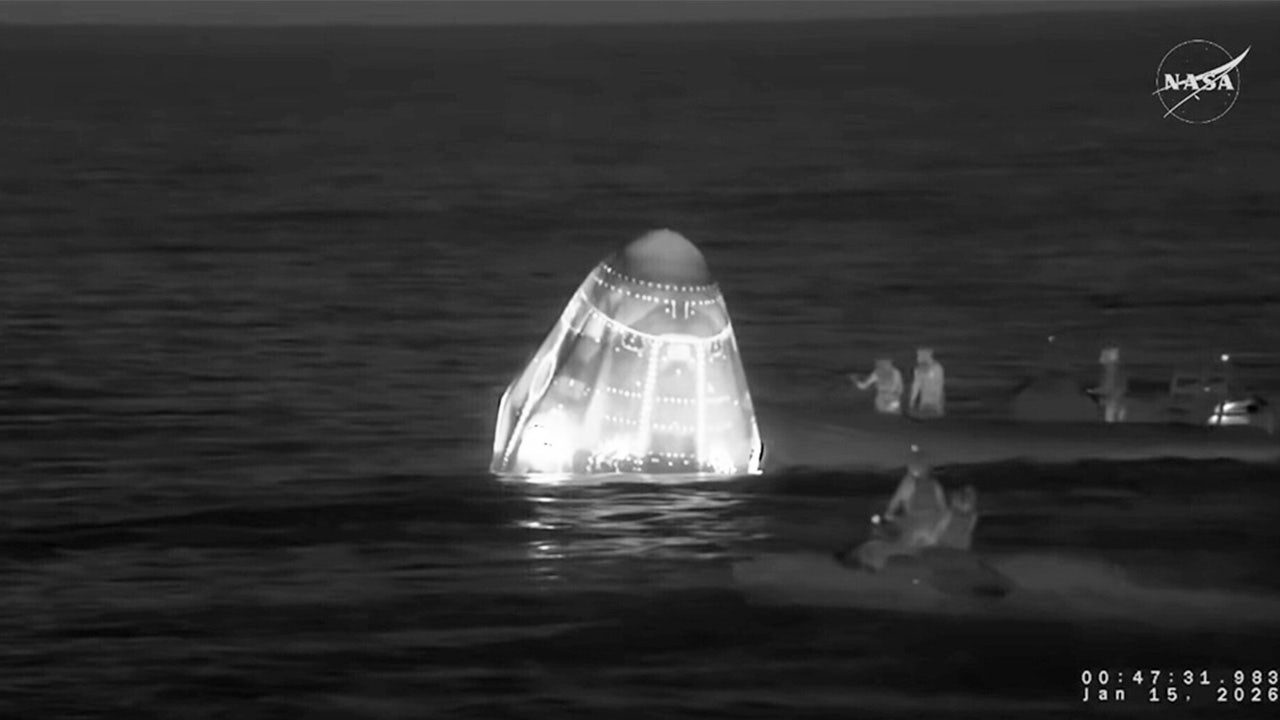
The operation saw four astronauts return to Earth over a month early, completing the journey from the ISS to a Pacific Ocean splashdown in less than 11 hours, following a crew member’s health issues reported on January 7, 2026, which led to a cancelled spacewalk. This swift, precautionary response by NASA, facilitated by SpaceX, sets new benchmarks for operational safety.
The incident calls for a re-evaluation of future space mission designs and emergency preparedness, urging investors to monitor the revised timeline for the next crew launch and any subsequent adjustments to long-duration mission protocols, which could impact related sector investments.
Detailed Analysis
The recent NASA medical space evacuation from the ISS marks a pivotal moment, shifting the investment landscape’s perception of risk and innovation within the global aerospace sector. While Russian space programs conducted similar returns decades ago, this is a first for NASA, signaling a significant advancement in emergency response capabilities for human spaceflight. This proactive, safety-first approach is crucial as space agencies and private enterprises, including those in Space Technology India, eye longer-duration missions to lunar and Martian habitats where immediate returns are not feasible. Investors should recognize this event as a catalyst for increased R&D spending and potential contract opportunities in space medical technology, life support systems, and advanced propulsion for rapid returns.
The meticulous execution of the operation, facilitated by SpaceX’s Dragon capsule, demonstrates the seamless integration of human decision-making with cutting-edge aerospace engineering. The affected astronaut remained stable, yet the decision for an early return was precautionary, allowing comprehensive medical evaluation on Earth. The four-person crew completed re-entry and recovery off San Diego in under 11 hours after departing the ISS. Officials stressed that the return followed standard procedures, not emergency protocols, despite the health issue emerging on January 7, 2026, which prompted the cancellation of a scheduled spacewalk. This early conclusion temporarily reduced the ISS crew to three (one American, two Russians), impacting operations such as spacewalks until the expedited arrival of the next crew in mid-February.
Comparing this event to historical space incidents highlights the immense strides in mission safety and resilience. Unlike earlier eras where in-space medical issues could be catastrophic, this successful, albeit precautionary, evacuation showcases significant advancements in autonomous health monitoring systems and robust return vehicle designs. For Aerospace Startups and established companies, particularly those developing infrastructure for lunar gateways or deep-space exploration, this incident sets a high bar for mission safety and reliability. The collaboration between NASA and SpaceX further exemplifies the maturing commercial space sector’s capacity to manage complex, unforeseen operational challenges, validating the viability of public-private partnerships as an investment thesis.
For retail investors, swing traders, and long-term finance professionals, this event presents a clear investment thesis: focus on companies innovating in space medical technology, AI-driven diagnostics, and rapid-response spacecraft. Key opportunities may lie in firms developing miniaturized, radiation-hardened medical imaging, remote surgery assistance, or enhanced life support systems capable of long-duration missions. Conversely, increased focus on safety and contingency planning could lead to higher operational costs and potential mission delays, impacting short-term profitability for some players. Investors should closely monitor the revised timeline for the replacement crew launch and any subsequent adjustments to long-duration mission protocols, as these will indicate the pace of innovation and regulatory changes within the sector. This event reinforces that space exploration is a continuous cycle of innovation, adaptation, and unwavering commitment to astronaut safety, paving the way for more resilient and human-centric space endeavors and creating new avenues for targeted investment.
About the Author