Key Takeaways
Trump’s Iran statements shift geopolitical risk for markets. Analyze crude oil impacts, aviation sector outlook, and investment strategy for 2026.
Overview
Geopolitical stability in key oil-producing regions critically influences global financial markets and investor sentiment. Recent developments concerning Iran’s internal situation and its diplomatic engagements are creating a complex landscape for Stock Market India participants, impacting sectors from energy to aviation.
Retail investors, swing traders, and long-term strategists are closely watching the nuanced signals emanating from Tehran and Washington. De-escalation signals, particularly regarding internal crackdowns, can alleviate immediate risk premiums, while lingering uncertainties compel a cautious approach to Investment Trading decisions.
Key events include President Trump’s assertion of “no plan for executions” of protesters and a partial reduction of US/UK personnel at Qatar’s Al-Udeid air base. Simultaneously, Iran’s temporary airspace closure and subsequent airline reroutings highlight direct operational costs and logistical concerns for global carriers.
This detailed Financial Analysis delves into the multifaceted implications of these events, offering insights into potential market shifts, sector-specific impacts, and critical metrics for investors to monitor within the NSE and BSE landscape.
Detailed Analysis
The volatile geopolitical landscape of the Middle East consistently ranks as a primary concern for global financial markets, with direct implications for crude oil prices, shipping lanes, and investor appetite for risk. Historically, any significant uptick in regional tensions translates swiftly into increased demand for safe-haven assets and upward pressure on energy commodities. The recent protests in Iran, initially sparked by the collapse of the Iranian currency, quickly evolved into a broader crisis challenging the legitimacy of the clerical leadership, underscoring deep-seated economic fragilities within the nation. Such internal strife, especially in a major oil-producing nation, generates systemic risks that reverberate through international trade and investment channels, influencing everything from Nifty and Sensex performance to global supply chain stability.
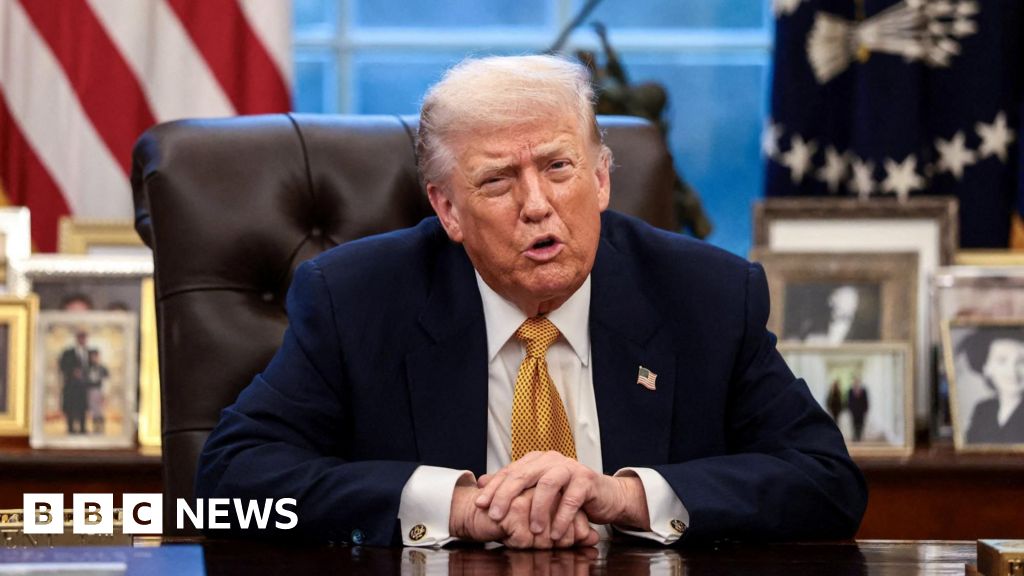
The announcement by President Donald Trump, citing “good authority” that “the killing in Iran is stopping, and there’s no plan for executions,” introduces a critical, albeit potentially temporary, de-escalation signal. This statement, if corroborated by subsequent events, could reduce the immediate geopolitical risk premium that has recently weighed on markets. However, the simultaneous “precautionary measure” of reducing US and UK personnel at the strategically vital Al-Udeid air base in Qatar presents a mixed message, introducing an element of tactical ambiguity for defense sector analysis. Furthermore, Iran’s five-hour airspace closure and the rerouting of flights by several airlines, including Lufthansa, directly impact the operational costs and profitability of global aviation and logistics companies. This leads to increased fuel consumption, longer flight times, and potentially higher insurance premiums, factors directly influencing airline stock valuations and global freight indices. The temporary closure of the British embassy in Tehran further highlights heightened diplomatic strain, signaling increased political risk for companies with direct or indirect exposure to the Iranian market, or the broader regional economy.
Comparing these developments to previous periods of heightened Middle Eastern tensions provides valuable context for Trading Financial Analysis. Past instances of regional instability have often led to immediate spikes in Brent crude oil futures, reflecting supply disruption fears. For example, similar airspace restrictions during prior conflicts have resulted in notable shifts in airline routing efficiency and subsequently, share price volatility for carriers heavily reliant on those corridors. While specific peer comparison metrics are not detailed in the source, investors typically observe the performance of major global airlines, marine shipping companies, and defense contractors during such periods. The warning from Iran’s Foreign Minister against the US repeating the “same mistake” of bombing nuclear sites in 2025 further amplifies the underlying geopolitical fault lines, signaling that while immediate de-escalation may occur on some fronts, the potential for future escalation remains a critical overhang for long-term strategic investors. This ongoing tension necessitates careful monitoring of geopolitical indices and defense sector performance, alongside energy market trends.
For Retail Investors and Swing Traders, the immediate implications revolve around potential volatility in crude oil prices. De-escalation could see a temporary easing of oil prices, while any renewed rhetoric or action could trigger upward spikes. Energy sector stocks, particularly those of oil exploration and production companies, will react sensitively. Long-term Investors and Finance Professionals should integrate these geopolitical risks into their portfolio construction, considering diversification into defensive assets like gold or strengthening their exposure to companies with robust supply chain resilience. The impact on emerging markets, particularly those dependent on oil imports or with significant trade ties to the Middle East, also warrants close observation. Key metrics to monitor include crude oil futures, defense sector stock performance, airline operational reports, and diplomatic statements from involved parties. The underlying economic fragility in Iran, highlighted by the currency collapse, suggests that even with de-escalation on human rights, internal pressures could continue to fuel instability, posing a persistent, albeit evolving, risk to regional and global Investment outlooks.
About the Author