Key Takeaways
Explore the Greenland dispute’s geopolitical risks and its potential impact on global investment strategies. Understand key factors and market implications for 2026.
Overview
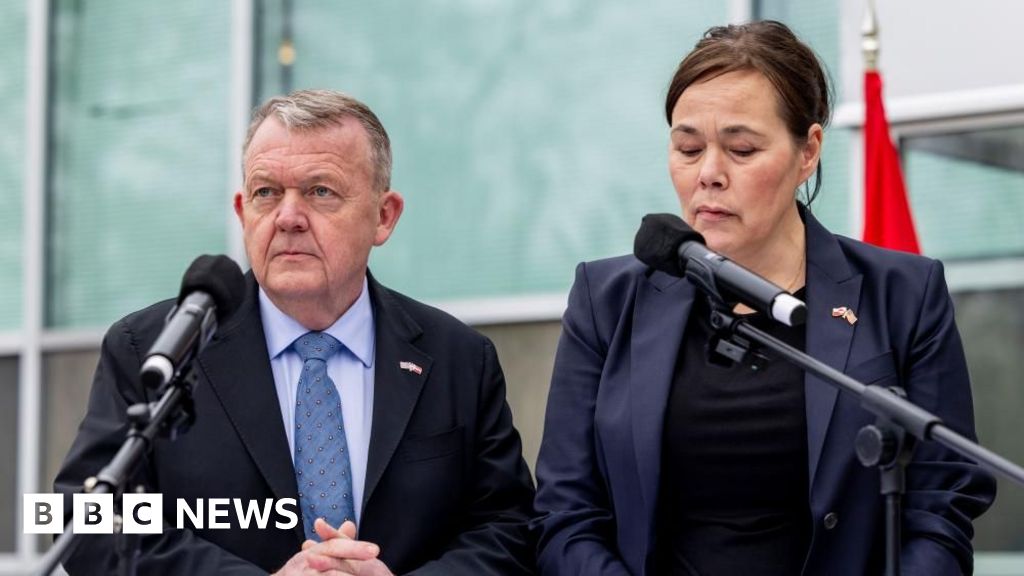
Geopolitical tensions surrounding the strategic resource-rich island of Greenland escalated significantly after Denmark’s foreign minister, Lars Lokke Rasmussen, reported a “fundamental disagreement” with the US following talks at the White House. US President Trump’s insistence on “conquering” Greenland has introduced considerable uncertainty into global markets, requiring heightened risk assessment for investors.
For Retail Investors, Swing Traders, Long-term Investors, and Finance Professionals, this diplomatic friction underscores the unpredictable nature of international relations and its potential ripple effects on investment strategies. Such developments can influence sectors ranging from defense to critical commodities and global logistics, demanding a proactive approach to portfolio management and risk mitigation.
While specific financial metrics tied directly to this diplomatic friction are not immediately available, key data points for investors include US strategic interest in the island for “national security” and the proposed “Golden Dome” missile defense system. Denmark and Greenland maintain strong opposition to any takeover, setting “red lines” for negotiations.
The following analysis delves into the short-term market reactions, medium-term sector impacts, and long-term strategic shifts that investors should monitor as this Greenland geopolitical risk unfolds.
Detailed Analysis
The escalating dispute between Denmark and the United States over Greenland represents a significant geopolitical risk factor that investment professionals and retail investors alike must integrate into their strategic frameworks. Historically, geopolitical flashpoints, particularly those involving major global powers and strategically vital territories, often introduce volatility and uncertainty into equity, commodity, and currency markets. Greenland’s location, critical for early warning systems and monitoring Arctic vessel movements, along with its rich natural resources, places it squarely at the nexus of modern great power competition, intensifying the financial implications of any diplomatic stalemate or escalation. This situation prompts a re-evaluation of defense sector investments, commodity exposure, and the broader risk premium associated with global supply chain stability, especially concerning Arctic routes.
The core of the issue, a “fundamental disagreement” over US President Trump’s insistence on “conquering” Greenland, highlights sovereign risk and the potential for unilateral actions to destabilize established international norms. Denmark’s clear statement that such a move is “totally unacceptable” and Greenland’s Minister of Foreign Affairs Vivian Motzfeldt’s declaration of “limits” signals a firm defensive stance. Investors should recognize this as a friction point that could trigger diplomatic repercussions impacting trade relations or even broader economic cooperation between involved nations. The resource-rich nature of Greenland implies potential shifts in the supply dynamics for critical minerals and rare earths, which are essential for various industries including advanced electronics and renewable energy. Any perceived threat to access or control over these resources could prompt price volatility in relevant commodity markets, benefiting or disadvantaging companies dependent on these inputs. Moreover, the US interest in Greenland for its “Golden Dome” missile defense system suggests substantial future investment in defense infrastructure and technology, offering potential opportunities for defense contractors and associated technology firms globally. The agreement to establish a high-level working group offers a glimmer of hope for a diplomatic resolution, yet the lingering possibility of military force, as Trump declined to rule out, casts a long shadow over market stability.
Comparing this situation to other historical geopolitical flashpoints reveals a consistent pattern of market response. During periods of heightened tension in regions like the South China Sea or Eastern Europe, markets often observe a flight to safety, with increased demand for assets such as gold and government bonds, while equity markets can experience sector-specific impacts. Defense industry stocks typically see an uplift, while commodity prices, particularly those related to strategic resources, exhibit greater volatility. The coordinated show of support for Denmark from European allies like Sweden, Germany, the UK, and France – including pledges of military presence and opening a consulate – indicates a concerted effort to uphold sovereignty and regional stability. This collective stance suggests potential for increased, harmonized defense spending across NATO members, which could further buoy the defense sector over the medium term. Conversely, any prolonged diplomatic impasse or escalation could deter foreign direct investment into the Nordic region and potentially affect shipping and logistics companies relying on future Arctic trade routes, which would be sensitive to increased militarization. Investors must monitor these multilateral responses and their implications for regional stability, noting that similar coalitions have historically provided a floor to market uncertainty, though they do not eliminate underlying risks. [Suggested Matrix Table: Historical Geopolitical Events vs. Defense Index Performance, Gold Prices, and Equity Market Volatility (e.g., S&P 500, EURO STOXX 50)]
For Retail Investors, the Greenland dispute emphasizes the critical need for a diversified portfolio that can withstand unexpected geopolitical shocks. Considering exposure to defense sector Exchange Traded Funds (ETFs) or companies with robust government contracts could offer a hedge against rising global tensions. Furthermore, monitoring commodity markets, especially those related to critical minerals and rare earths, might present swing trading opportunities based on diplomatic developments. Long-term Investors should assess companies with direct or indirect exposure to Arctic development, logistics, or advanced defense technologies, considering their potential for growth amidst an evolving geopolitical landscape. Finance Professionals and institutional investors are advised to conduct rigorous scenario planning and stress-test portfolios against various outcomes, from diplomatic resolution to sustained confrontation. Key metrics to monitor include the progress of the high-level working group, statements from US, Danish, and Greenlandic officials, any proposed defense budget increases, and public opinion shifts in the US and Greenland, which could influence political will. The unfolding situation highlights that while direct financial data is scarce, the underlying geopolitical friction introduces systemic risks and specific opportunities that require diligent analysis and strategic positioning. Vigilance and adaptability will be paramount for navigating the investment climate shaped by these evolving international relations.
About the Author