Key Takeaways
Trump administration federal grant cuts could impact the healthcare sector. Analyze market risks, opportunities, and investment implications for Indian companies in 2026.
Overview
The U.S. healthcare sector faces immediate disruption following the Trump administration’s abrupt termination of federal grants supporting mental health and drug addiction services. This decisive policy shift, communicated via hundreds of termination letters, signals a significant reorientation of public health funding that warrants close scrutiny by investors in the **Stock Market India** and global markets.
For Retail Investors, Swing Traders, and Long-term Investors, this development introduces heightened policy risk and potential volatility for companies with exposure to government healthcare contracts or the broader healthcare services ecosystem. Finance Professionals should assess the ripple effects on public health infrastructure and its economic consequences.
Key details indicate the immediate termination of hundreds of grants, with estimates suggesting total cuts to nonprofit groups could reach roughly $2 billion. Affected programs, crucial for community-level care, face operational collapse without this funding.
This analysis delves into the short-term market reactions, medium-term sectoral shifts, and long-term investment implications for healthcare-related stocks, emphasizing policy impact and emerging opportunities in private funding models.
Key Data
| Funding Aspect | Prior Status (Estimated) | Current Status (Post-Termination) | Implication |
|---|---|---|---|
| Federal Grants for Mental Health/Addiction | Hundreds active | Terminated immediately | Widespread service disruption |
| Estimated Funding Value (Annual) | Up to $2 Billion | Near Zero for affected programs | Significant financial void for non-profits |
Detailed Analysis
The sudden withdrawal of federal grants for mental health and addiction services by the Trump administration represents a critical inflection point for the healthcare sector, particularly for non-profit organizations and the broader ecosystem of care providers. This policy decision highlights the inherent vulnerabilities within sectors heavily reliant on government funding, exposing providers to abrupt shifts in administrative priorities. Historically, federal grants have been a cornerstone of public health initiatives, providing stable funding for long-term programs addressing complex societal issues. The precedent set by such immediate terminations introduces a significant element of policy risk for investors evaluating healthcare investments, especially those in sub-sectors linked to social welfare and public health infrastructure.
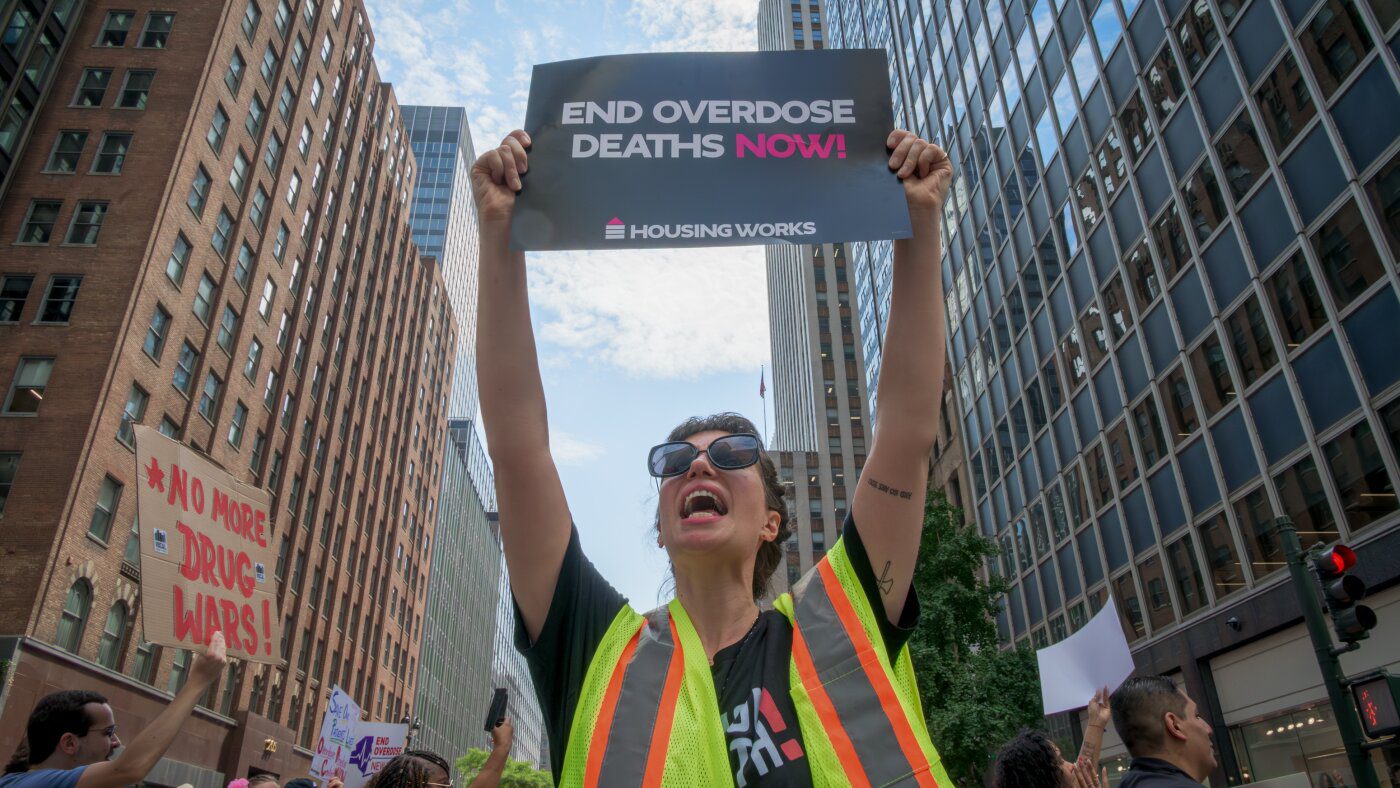
Detailed analysis of the impact begins with the scale of the cuts: hundreds of termination letters issued immediately, potentially eliminating up to $2 billion in funding, as suggested by industry experts. This directly affects organizations providing critical “street-level care to people experiencing addiction, homelessness and mental illness.” According to Andrew Kessler of Slingshot Solutions, this could lead to a “severe loss of front-line capacity,” forcing programs to “shut their doors tomorrow.” The U.S. Substance Abuse and Mental Health Services Administration (SAMHSA) justified these actions by citing a restructuring of its grant program to align with the administration’s new priorities. The explicit instruction that “costs resulting from financial obligations incurred after termination are not allowable” underscores the immediate and harsh financial reality facing these organizations, many of which provide life-saving services like overdose prevention and naloxone distribution.
Comparing this policy shift to prior legislative actions, it follows deep Medicaid cuts passed by a Republican-controlled Congress last year, further exacerbating financial pressures on mental health and addiction care providers. The cumulative effect suggests a broader governmental strategy to reduce federal involvement in social and public health services, potentially shifting the burden to states, local governments, or the private sector. This creates a challenging environment for existing healthcare businesses that have structured their operations around federal support. For Finance Professionals, this necessitates a re-evaluation of valuation multiples for companies in the healthcare services space, particularly those with significant exposure to government funding. Conversely, this may spur growth in private insurance-backed services or innovative private-public partnership models, offering new avenues for Investment. [Suggested Line Graph: Historical trend of federal vs. private funding in the US mental health sector over the past decade, highlighting shifts in reliance.]
For Retail Investors, Swing Traders, and Long-term Investors, this development signals increased uncertainty in the US healthcare sector. Companies involved in pharmaceutical supplies for addiction treatment (e.g., naloxone manufacturers), mental health technology solutions, or private addiction recovery centers might experience indirect impacts or, conversely, find opportunities if private funding fills the void. Investors should closely monitor legislative developments, state-level policy responses, and quarterly earnings reports of healthcare companies to assess their resilience and adaptability to reduced federal support. Key metrics to watch include revenue diversification, mergers and acquisitions activity in the mental health space, and the emergence of new private funding initiatives. This move underscores the importance of a nuanced Financial Analysis that considers policy risks as a material factor in investment decision-making, influencing market sentiment on the NSE and BSE for globally exposed healthcare entities.
About the Author