Key Takeaways
Tesla’s FSD is now subscription-only. Explore the implications for AI-driven automotive tech, adoption rates, legal challenges, and the future of mobility.
Overview
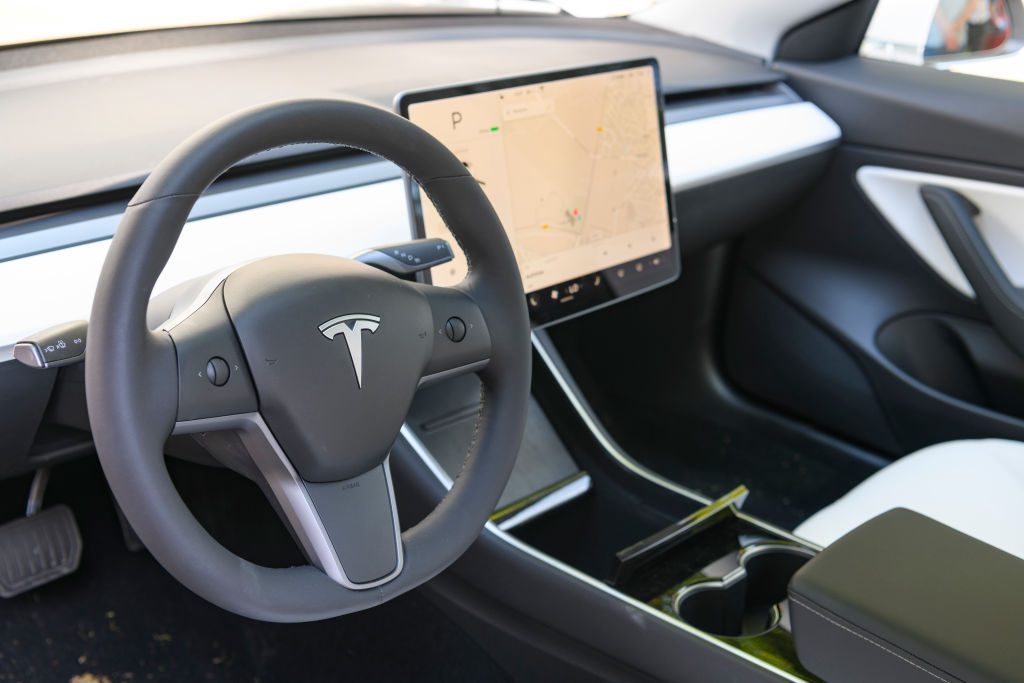
Tesla’s Full Self-Driving (Supervised) software is moving to a subscription-only model, eliminating the previous one-time purchase option. This strategic shift, confirmed by CEO Elon Musk, marks a significant departure from Tesla’s long-standing sales approach for its advanced driver-assistance suite, impacting its financial trajectory and market position.
For tech enthusiasts, innovators, and startup founders, this move highlights a crucial evolution in software monetization within the automotive sector. It forces a re-evaluation of value propositions for AI-driven features and autonomous capabilities in vehicles, influencing future development and adoption trends across the industry.
Historically, FSD’s upfront cost peaked at $15,000 in 2022, later reduced to $8,000. The monthly subscription, introduced in 2021 at $199, dropped to $99 per month in 2024. Adoption rates were modest, with only 12% of Tesla customers paying for FSD as of October 2025.
This transition, effective February 14, signifies Tesla’s renewed focus on recurring revenue streams and a potential strategy to navigate ongoing legal complexities, setting a precedent for software-defined vehicles and the broader automotive technology India landscape.
Key Data
| Metric | Previous FSD Model (Before Feb 14) | Current FSD Model (From Feb 14) | Strategic Implication |
|---|---|---|---|
| Access Options | Outright Purchase ($15k peak, $8k recent) OR Monthly Subscription ($199 then $99) | Monthly Subscription ONLY ($99 as of 2024) | Simplified offering, lower entry barrier |
| Adoption Rate (FSD) | 12% of all Tesla customers (as of Oct 2025) | Expected to rise (Musk’s 10M subs goal by 2035) | Boosts recurring revenue & pay package target |
| Legal Exposure | Liabilities from ‘full autonomy’ purchase claims | Caps future liability for ‘bought’ autonomy promises | Mitigates ongoing deceptive marketing lawsuits |
| Hardware Requirements | Initially promised as hardware-complete; later needed upgrades (e.g., Hardware 3) | Continues to evolve, potential for future hardware needs under subscription | Ongoing challenge for seamless software-hardware integration |
Detailed Analysis
Tesla’s Full Self-Driving (Supervised) software has long been at the forefront of automotive innovation, promising a future of fully autonomous vehicles. For years, the company positioned FSD as an investment, with CEO Elon Musk often encouraging customers to pay a substantial upfront fee, claiming its value would dramatically increase with added capabilities. This narrative, centered on a one-time purchase, underpinned Tesla’s strategy, creating a perception among early adopters and tech enthusiasts that they were buying into a continually evolving software that would eventually deliver complete autonomy. The shift to a subscription-only model for Tesla FSD represents a significant pivot from this historical sales philosophy, moving from a capital expenditure for the consumer to a more accessible operational expense, and fundamentally altering how users interact with advanced driver-assistance systems.
Several factors likely spurred this strategic change. Foremost is the adoption rate: chief financial officer Vaibhav Taneja noted in October 2025 that only 12% of Tesla customers had opted for FSD. Transitioning to a subscription-only model, particularly with a lower monthly price point of $99, can significantly lower the barrier to entry, potentially boosting user numbers. This move also aligns with a key ‘product goal’ for Musk’s substantial $1 trillion pay package, requiring 10 million active FSD subscriptions by late 2035. Achieving this target necessitates widespread adoption, which a subscription model is better positioned to deliver. Moreover, the shift acts as a potential legal hedge. Tesla faces numerous lawsuits and regulatory scrutiny (such as the California DMV’s ruling on deceptive marketing) regarding unfulfilled promises of full autonomy and hardware requirements. By removing the outright purchase option, Tesla may cap its potential liabilities for future software upgrades that never fully materialize, reframing FSD as an ongoing service rather than a definitive product.
In the evolving landscape of advanced driver-assistance systems, Tesla’s FSD, despite its supervision requirement, is often regarded as one of the most capable systems in the U.S. market. However, competitors are rapidly closing the gap. Rivian has detailed plans to expand its hands-free driving features, while established players like Ford with BlueCruise and General Motors with Super Cruise offer their own robust hands-free systems. In the vibrant Technology India market, and across China, numerous rival automakers are integrating sophisticated driver assistance features, sometimes even as standard options, intensifying the competitive pressure. Tesla’s move to a subscription model could be seen as a defensive play to maintain market leadership and accelerate feature adoption, contrasting with competitors who might offer such features as part of the vehicle’s base price or as a more conventional upgrade. [Suggested Matrix Table: Comparison of FSD Access Models and Key Metrics Before and After Subscription Shift]
For Tech Enthusiasts, this means FSD becomes more accessible, potentially democratizing cutting-edge AI features without a prohibitive upfront cost, fostering greater experimentation and feedback. Innovators and Developers should view this as a powerful case study in software monetization for hardware products, examining how subscription models can drive user engagement, manage product evolution, and mitigate legal risks in the rapidly evolving autonomous technology space. Startup Founders focusing on software-defined vehicles or AI solutions should analyze Tesla’s approach to recurring revenue and liability management as a blueprint for their own strategies. Moving forward, the industry will keenly monitor FSD subscription growth, any changes to its pricing structure, the outcomes of Tesla’s ongoing legal battles, and the continued advancements of rival autonomous driving systems globally, particularly in dynamic markets like Technology India.
About the Author