Key Takeaways
Explore how athlete activism, exemplified by Azeez Al-Shaair, presents reputational and ESG risks for NFL and sponsors. Understand implications for market sentiment.
Overview
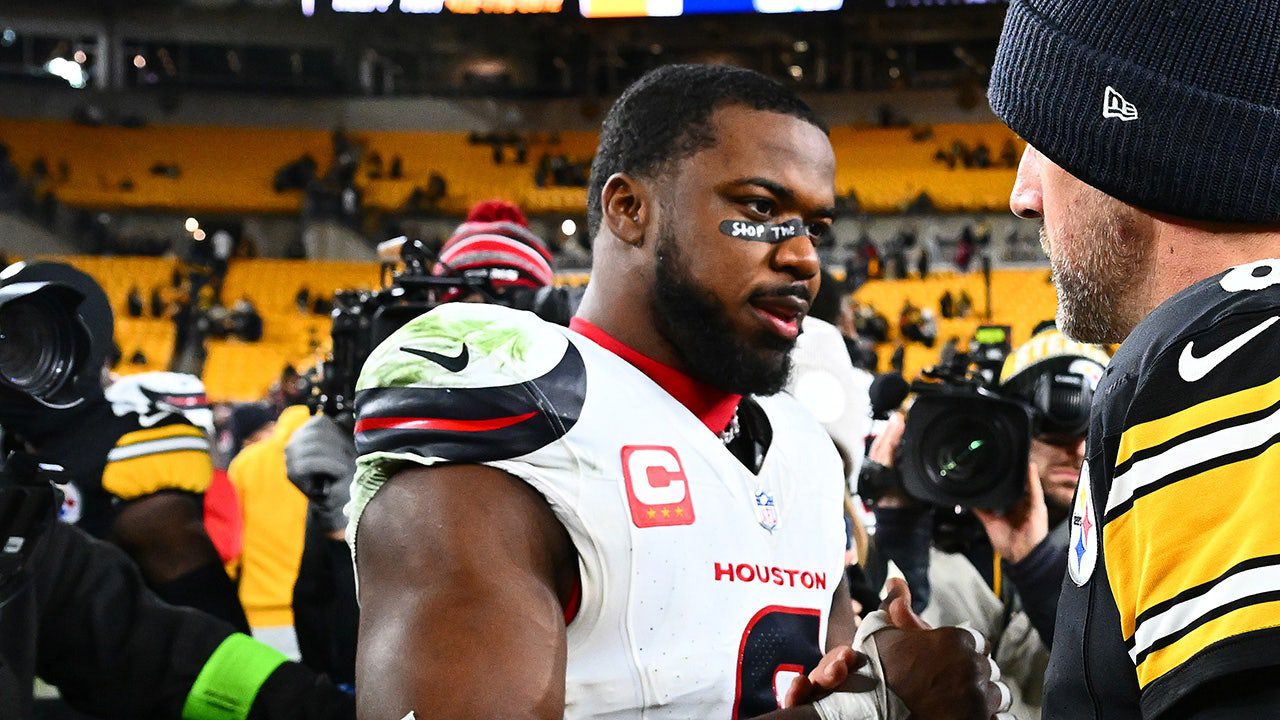
Recent actions by Houston Texans linebacker Azeez Al-Shaair, who wore eye black bearing a ‘Stop the genocide’ message during an NFL playoff game, have brought the intersection of athlete activism and corporate reputation into sharp focus. While the incident itself is sports-related, its implications extend to broader considerations for investors in sports-related entities and broadcast partners, highlighting potential qualitative risks.
For Retail Investors, Swing Traders, Long-term Investors, and Finance Professionals, such events underscore the growing importance of Environmental, Social, and Governance (ESG) factors in assessing investment viability. Public stances by high-profile athletes can influence brand perception, potentially impacting sponsor relationships and audience sentiment.
The source content provides no direct financial metrics—such as stock performance of the NFL, the Texans, or its media partners, nor any changes in advertising revenue or sponsorship valuations—specifically tied to this incident. Therefore, a quantitative financial analysis is not feasible based on the provided data.
This analysis will delve into the qualitative risks and corporate governance considerations that such athlete activism presents for entities operating within the dynamic sports industry, influencing overall market sentiment and long-term brand equity.
Detailed Analysis
The recent visibility of Houston Texans linebacker Azeez Al-Shaair’s message on his eye black, stating ‘Stop the genocide,’ during a high-stakes NFL playoff game, underscores a persistent trend of athlete activism on global political issues. This particular instance during an ESPN ‘Monday Night Football’ interview drew significant attention, following his earlier support for Palestine through ‘Free Palestine’ cleats during the NFL’s ‘My Cause My Cleats’ campaign in the 2024 season. These cleats notably featured Palestinian flag colors, an Arabic inscription, and reportedly included figures for Palestinians killed and wounded in the conflict. His consistent advocacy, including support for the Palestine Children’s Relief Fund in both 2023 and 2024, and his membership in the ‘Athletes for Ceasefire’ organization, positions him as a prominent voice on this issue within professional sports. Such actions, while individual expressions, are increasingly becoming critical elements for finance professionals to monitor, particularly concerning the ‘S’ component of ESG frameworks for sports and media companies.
Al-Shaair’s explanation to the Houston Chronicle articulated his stance: ‘people losing their life is not right,’ challenging the notion that ‘innocent people [in Gaza] should now die’ due to the October 7 events. He emphasized a humanitarian perspective, stating, ‘they’re human beings,’ and referencing a Muslim belief in universal human equality. The public response to his activism has not been without controversy; a previous incident involving a tackle that led to a concussion for Trevor Lawrence, for which Al-Shaair was ejected and later apologized, sparked backlash. He subsequently criticized ‘racist and Islamophobic fans and people’ online for their attacks. From an investor perspective, these scenarios introduce significant qualitative risks. While the provided source content contains no specific financial data—such as changes in viewership ratings for NFL games, shifts in sponsor engagement with the Texans, or any direct impact on the financial performance of associated broadcast networks—these events inherently carry reputational risk. The challenge for publicly traded sports leagues, franchises, and their corporate partners lies in navigating these complex social and political landscapes without alienating portions of their audience or investor base.
A direct, quantitative comparative financial analysis of Al-Shaair’s actions against similar instances of athlete activism is not feasible within the scope of the provided source material, as no specific financial metrics or peer comparisons are disclosed. However, the broader sports industry landscape reveals a consistent trend where athletes utilize their platforms for social and political commentary, prompting various responses from leagues, teams, and sponsors. This dynamic demands that organizations, particularly those with substantial brand equity tied to public perception like the NFL, develop robust corporate governance strategies to manage potential fallout. Investors evaluating companies within the sports ecosystem—including media rights holders, sports equipment manufacturers, and major corporate sponsors—must consider how effectively these entities respond to and manage brand exposure to such social discourse. While a traditional matrix table comparing financial performance metrics before and after similar athlete activism events cannot be constructed from the given data, the qualitative assessment of a company’s agility in public relations and its alignment with evolving societal values becomes a crucial, albeit intangible, determinant of long-term value and stability.
For Retail Investors, Swing Traders, Long-term Investors, and Finance Professionals, Al-Shaair’s continued public stance serves as a potent reminder of the non-financial factors that can influence market sentiment and corporate valuation in the modern sports economy. The absence of immediate, quantifiable financial impact in the provided data does not diminish the potential for long-term brand erosion or enhancement, depending on how such situations are managed by the league and its partners. Investors should closely monitor the official responses from the NFL and the Houston Texans, as well as any public statements or actions from major corporate sponsors, as these can signal an organization’s approach to social governance and risk mitigation. While direct technical levels or traditional financial ratios are not applicable to this specific event, the incident underscores the growing imperative for comprehensive ESG analysis when evaluating investments in the highly visible and socially influential sports sector, integrating brand resilience and public sentiment into a holistic investment thesis.
About the Author