Key Takeaways
Iran protests see death toll surpass 2,500 amid severe government crackdown. Understand the human rights implications and global policy reactions for 2026.
Overview
The death toll from the ongoing nationwide protests in Iran has drastically surpassed 2,500 fatalities, according to activist reports, marking a significant escalation in the unrest. This surge in casualties follows a severe government crackdown, which also included a widespread communication blackout.
This development carries profound implications for News Readers, Policy Watchers, Informed Citizens, and Political Analysts, highlighting the volatile domestic situation within Iran and its potential international repercussions. The scale of the current crisis far exceeds previous periods of dissent in recent decades.
Specific data from the U.S.-based Human Rights Activists News Agency (HRANA) indicates at least 2,571 deaths as of early Wednesday, with over 18,100 people detained. Iranian state television has offered an initial acknowledgment of deaths, referring to them as “martyrs.”
As phone communications partially resume after days of internet severance, understanding the historical context, stakeholder perspectives, and policy implications becomes crucial for monitoring this evolving political landscape.
Key Data
| Category | Reported Deaths | Additional Details |
|---|---|---|
| Total Deaths | 2,571 | As reported by HRANA |
| Protesters Killed | 2,403 | Specific to protest participants |
| Government-affiliated Deaths | 147 | Reported as affiliated with the government |
| Children Killed | 12 | Individuals under the age of majority |
| Civilians (Non-Protesting) Killed | 9 | Not actively participating in protests |
| People Detained | 18,100+ | Number of individuals arrested |
Detailed Analysis
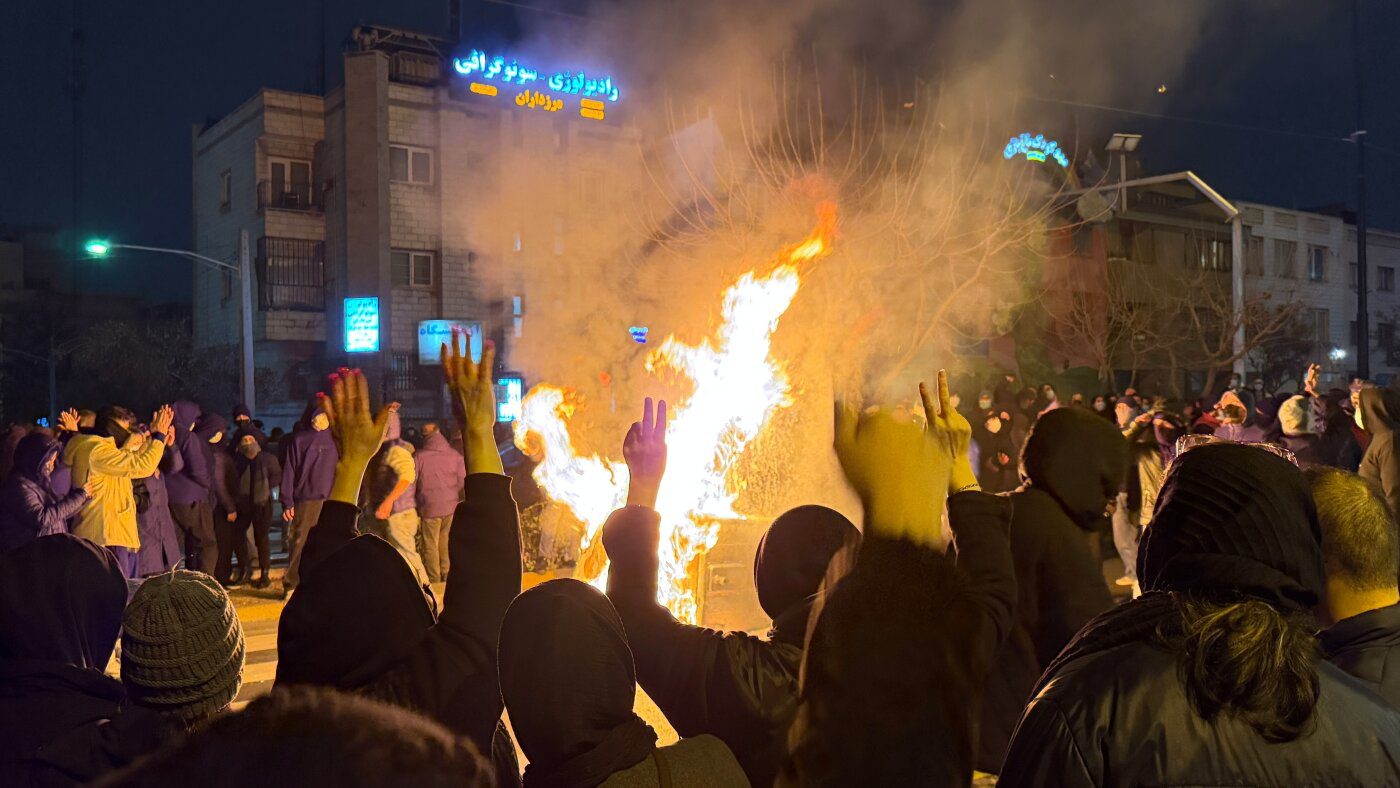
The recent surge in fatalities stemming from the Iran protests represents a critical juncture in the country’s contemporary political narrative. Historically, Iran has experienced periods of civil unrest, but the current death toll, eclipsing 2,500 according to human rights activists, recalls the intensity and chaos observed during the 1979 Islamic Revolution. These demonstrations, initially sparked in late December by economic grievances, rapidly evolved to challenge the foundational tenets of the country’s theocracy and, notably, its 86-year-old Supreme Leader Ayatollah Ali Khamenei. The government’s response involved a severe crackdown, including a days-long communication blackout, which limited external knowledge of the true scale of events and restricted the ability of Iranians to communicate globally.
Detailed analysis of the crisis reveals stark figures highlighting the severity of the crackdown. The U.S.-based Human Rights Activists News Agency (HRANA) reports a staggering 2,571 deaths, a figure they acknowledge as potentially conservative and likely to rise. This includes 2,403 protesters, 147 government-affiliated individuals, 12 children, and 9 civilians not involved in the demonstrations. Over 18,100 people also face detention. The quick escalation of fatalities, far exceeding the monthslong 2022 Mahsa Amini protests, indicates a significantly intensified government response. Iranian state television’s rare acknowledgment of “a lot of martyrs” offers a glimpse into the internal narrative, while images from Tehran show direct challenges to the Supreme Leader, a provocative act in the highly controlled political environment.
Comparing the current unrest to past events, the speed and scale of the casualties significantly differentiate this wave of Iran protests. The 2022 Mahsa Amini protests, while notable, saw a quarter of the death toll over a much longer period, underscoring the intensified nature of the present crackdown. Internationally, reactions have varied, with former U.S. President Donald Trump initially issuing strong statements encouraging protestors and later adopting a more cautious stance, awaiting “accurate reports” before acting. Iranian officials, represented by Ali Larijani of the Supreme National Security Council, retaliated by naming Trump and Israeli Prime Minister Benjamin Netanyahu as the “main killers,” showcasing the entrenched geopolitical tensions surrounding the internal crisis. The communication blackout, a common government tactic in such situations, highlights attempts to control information, even as private efforts to provide alternative internet access via Starlink gain traction.
For News Readers, Policy Watchers, Informed Citizens, and Political Analysts, the current situation in Iran demands close observation of several key metrics. The human cost and the widespread detentions underscore a severe human rights crisis, prompting calls for international scrutiny of the Iranian government’s methods. The resilience of protestors, despite heavy security presence and economic hardship, suggests underlying societal discontent with long-term political implications. Policy analysts should monitor how global powers react, particularly concerning sanctions or diplomatic pressure, and the impact of initiatives like Starlink on information flow. Domestically, observers must track potential shifts in government policy, public sentiment, and the ongoing struggle for communication access, as these factors will shape Iran’s political trajectory in the coming months and years.
About the Author