Key Takeaways
UK Offshore Wind secures record contracts, but rising costs threaten 2030 clean power goals. Analyze investment risks, opportunities, and market implications.
Overview
The UK has secured a record supply of offshore wind projects, marking a pivotal advancement in its aggressive pursuit of clean electricity sources. This strategic development underscores a firm governmental commitment to renewable energy, significantly reshaping the broader investment landscape for green power initiatives and impacting global Stock Market India sentiment.
For Retail Investors, Swing Traders, Long-term Investors, and Finance Professionals, this expansion highlights sustained growth opportunities within the accelerating global energy transition. However, emerging cost considerations necessitate meticulous financial analysis and strategic planning to navigate potential sector risks and capitalize on opportunities in utilities and infrastructure development.
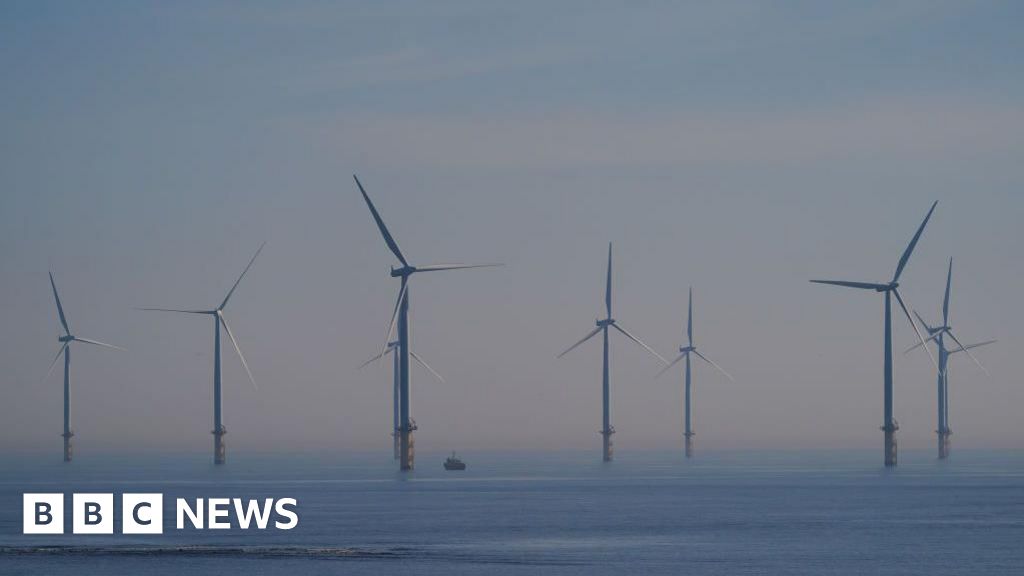
Key projects include the immense Berwick Bank in the North Sea, poised to become the world’s largest offshore wind farm, alongside other significant developments across England, Scotland, and Wales. The government aims for at least 95% clean electricity by 2030, despite warnings that rising project costs could challenge this ambitious target.
This article provides a detailed Financial Analysis of the UK’s offshore wind expansion, examining its investment implications, sector risks, and opportunities for a discerning investor base.
Key Data
| Metric | Previous Implication (Pre-Rising Costs) | Current Scenario (Post-Rising Costs) | Investment Outlook Change |
|---|---|---|---|
| Offshore Wind Contract Volume | Significant Supply | Record Supply | Positive (Capacity Growth) |
| Projected Cost Efficiency | “Lower bills for good” | Skepticism, Rising Prices | Negative (Margin Pressure) |
| 2030 Clean Power Target Attainment | Strong Progress | Challenged Ability | Increased Risk (Regulatory) |
Detailed Analysis
The global shift towards cleaner energy sources marks a profound economic and environmental transformation, with nations intensifying their pursuit of renewable power to mitigate climate change and bolster energy security. The United Kingdom, a historic frontrunner in offshore wind development, has articulated aggressive clean power targets, aiming to generate at least 95% of its electricity from “clean” sources by 2030. This ambitious mandate necessitates a rapid and substantial expansion of renewable infrastructure, primarily leveraging its extensive offshore wind resources in the North Sea and other coastal regions. However, this large-scale deployment confronts significant complexities. The imperative for increased supply often converges with the economic realities of monumental infrastructure projects, including escalating development and operational costs. For investors operating within the broader Stock Market India and global investment spheres, comprehending this intricate dynamic is crucial for assessing the long-term viability and profitability of the renewable energy sector.
Recent contract awards by the UK government signal a critical acceleration toward its clean energy objectives, securing an unprecedented volume of offshore wind projects. These include the colossal Berwick Bank in the North Sea, projected to be the world’s largest planned offshore wind farm, alongside other significant ventures like Dogger Bank South off Yorkshire, Norfolk Vanguard off East Anglia, and Awel Y Mor in Wales. While the government frames these wind projects as inherently more cost-effective than new gas power stations, promising “lower bills for good,” this optimistic outlook faces considerable skepticism from analysts. They caution that, despite the record contracts, the UK may still struggle to attain its stringent 2030 clean power target due to persistent rising project costs. This disparity raises fundamental questions for investors concerning the equilibrium between government subsidies, ongoing technological advancements, and pervasive inflationary pressures impacting the renewable sector, mirroring challenges in global infrastructure Investment and Trading strategies. Specific Levelized Cost of Energy (LCOE) figures for these projects were not disclosed.
The UK’s offshore wind expansion reflects a broader global investment trend in renewable energy infrastructure; however, escalating project costs are not unique to the British market. International peers encounter similar pressures stemming from supply chain bottlenecks, surging commodity prices for critical components, and increased financing costs driven by higher global interest rates. This dynamic creates a complex operating environment for renewable energy developers and utilities. While official narratives often position wind projects as inherently cheaper than gas, the marginal cost for new projects, particularly those scaled for record capacity, can indeed rise significantly. The implications for companies listed on exchanges like the NSE and BSE, actively involved in related energy and infrastructure sectors, warrant comprehensive Financial Analysis. A detailed comparison of global offshore wind project cost drivers, encompassing raw material prices, labor costs, and financing rates, would underscore these pervasive industry-wide challenges.
For Retail Investors and Long-term Investors, the UK’s robust commitment to offshore wind signifies enduring opportunities in companies specializing in renewable energy generation, infrastructure development, and component manufacturing. However, reported “price rises” mandate meticulous due diligence on project economics and developer margins. Swing Traders should keenly monitor government policy announcements and future contract auction results for short-term volatility within publicly traded renewable energy firms. Finance Professionals must evaluate the long-term influence of evolving government subsidies, carbon pricing mechanisms, and the potential for technological breakthroughs to mitigate escalating costs. Key metrics for all investor segments to watch include the actual cost per unit of energy from new contracts, indicators of supply chain stability, and the UK’s measurable progress towards its 2030 clean energy targets. These factors directly influence investment returns and broader market sentiment, impacting indices like the Sensex and Nifty.
About the Author