Key Takeaways
Discover how airline tech innovation, AI, IoT, and automation are transforming ground safety. Explore opportunities for Tech Startups in India and future aviation tech.
Overview
A recent critical incident on Air Canada Flight 1502 in December 2025 has sharply refocused attention on the urgent need for enhanced airline tech innovation in ground operations safety. This event underscores a significant opportunity to transform aviation ground handling through advanced technological solutions, preventing human error and driving industry progress.
For Tech Enthusiasts, Innovators, Early Adopters, Developers, and Startup Founders, this incident highlights a ripe area for technological intervention. It illustrates how automation, IoT, and sophisticated sensor systems can prevent mishaps, fostering the next generation of smart airport solutions and creating new avenues for growth.
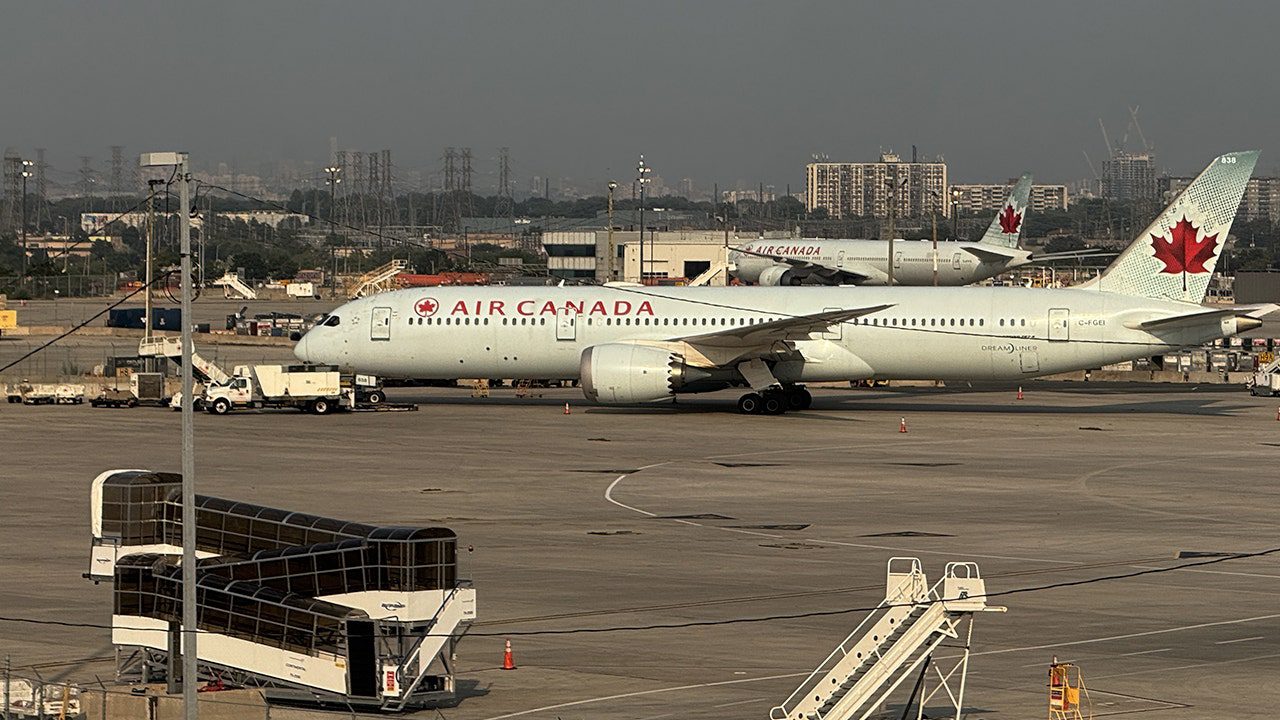
The incident involved Air Canada Flight 1502 on December 13, 2025, carrying 184 passengers from Toronto Pearson Airport. A ground crew member became inadvertently trapped in the cargo hold, leading to the flight’s cancellation, though thankfully no injuries were reported.
This analysis delves into the technological implications, market context for safety innovation, and future opportunities for startups contributing to Technology India.
Detailed Analysis
The recent Air Canada incident, where a ground crew member was trapped in a cargo hold, serves as a stark reminder of the persistent human element in aviation safety, even as the industry rapidly embraces automation. While the incident itself was thankfully without injury, it brings into sharp relief the current state of ground operations and the significant opportunity for technological innovation. Traditionally, aircraft ground handling relies heavily on sequential human-driven checks and manual verification processes. These procedures, while designed for safety, are inherently susceptible to human error, fatigue, or communication breakdowns, especially during high-pressure turnaround times. The context here is not merely an isolated oversight but a systemic vulnerability present across the global aviation industry, pushing the conversation towards more robust, technology-driven solutions for critical junctures like cargo door closure.
This particular incident, involving an Airbus flight preparing for departure from Toronto Pearson Airport, highlights specific points where technology could have intervened. The description of doors “inadvertently closed” implies a lack of real-time, redundant verification that the cargo area was clear before closure. Current protocols often involve visual inspections and headcounts, which can fail under certain conditions. From a detailed tech analysis perspective, the absence of an integrated, automated ‘clearance verification’ system is notable. Such a system could leverage a combination of ultra-wideband (UWB) or RFID tracking for personnel, coupled with LiDAR or ultrasonic sensors to detect obstructions or human presence inside the cargo bay before a door can be fully secured. Imagine a scenario where, had the crew member been equipped with a UWB tag, the aircraft’s internal systems would have registered an unauthorized presence, preventing the door closure sequence from initiating or triggering an immediate alert. This moves beyond simple interlocks to intelligent, context-aware safety mechanisms that enhance, rather than merely replace, human oversight, paving the way for advanced software solutions in this domain.
Comparing current manual ground handling protocols with potential automated solutions reveals a significant performance gap and a compelling case for investment in aviation tech innovation. Manual checks, while foundational, are prone to variability in execution, dependent on individual alertness, and can be influenced by environmental factors. Conversely, automated systems, when properly designed and implemented, offer consistent, repeatable, and verifiable safety checks. For instance, a smart cargo hold system could feature an array of infrared or millimeter-wave radar sensors providing a 360-degree scan for presence detection, integrated with the aircraft’s central maintenance computer. This data could then be relayed to ground control and flight deck systems via a secure, high-bandwidth wireless network, possibly leveraging 5G technology for low-latency communication. The market context here includes a growing demand for enhanced operational efficiency and reduced incident rates, driving airlines and airport authorities to explore digital transformation in their ground operations. The challenge for innovators lies in developing solutions that are robust, cost-effective, easily retrofittable, and certified for aviation-grade reliability. This presents a prime opportunity for Tech Startups in India to develop software and hardware integrations that can lead the global shift towards smarter, safer airports.
For Tech Enthusiasts, Innovators, Early Adopters, Developers, and Startup Founders, this incident serves as a call to action, highlighting a clear market need within the broader landscape of Technology India. Opportunities abound in developing IoT solutions for real-time asset and personnel tracking within airports, AI algorithms for anomaly detection in ground operations, and advanced sensor technologies for cargo hold integrity and presence detection. Developers could focus on creating robust, fault-tolerant software for managing ground processes, integrating various sensor inputs, and providing intuitive interfaces for ground crew and flight personnel. Startup Founders should investigate niche areas within aviation safety tech, potentially focusing on solutions for specific aircraft types or airport sizes, and aim for certifications that would make their products attractive to major airlines. Key metrics to monitor moving forward include airline investments in ground safety technology, new regulatory guidelines on automated safety checks, and the emergence of pilot programs for AI and IoT deployment in airport operations. This incident, while concerning, ultimately illuminates a pathway for innovation, driving the industry towards a future where human vigilance is augmented by intelligent systems, ensuring safer skies and more efficient operations globally.
About the Author