Key Takeaways
Pioneering CAR-T therapy enters NHS, revolutionizing leukaemia treatment. Analyze biotech market impact, investment opportunities for Autolus, and future growth in personalized medicine.
Overview
A breakthrough CAR-T therapy for B-cell Acute Lymphoblastic Leukaemia (B-cell ALL) has gained NHS funding, marking a pivotal moment in the global biotechnology sector. This pioneering “living drug” treatment offers new hope for patients with aggressive blood cancer, while signaling significant market opportunities and shifts within the healthcare investment landscape.
For Retail Investors, Swing Traders, and Long-term Investors, this development underscores the increasing viability and commercial potential of personalized medicine and gene therapies. It highlights emerging growth areas within the pharmaceutical and biotech industries, demanding close scrutiny of companies like Autolus, the therapy’s manufacturer.
The clinical trials demonstrated a 77% remission rate, with half of patients showing no signs of cancer after three and a half years, and an average extension of 15.6 months of life. Initially, around 50 NHS patients annually are expected to benefit, with a list price of £372,000 per infusion before confidential discounts.
Investors should closely monitor the therapy’s broader market penetration, regulatory approvals in other regions, and the financial performance of associated biotech firms, as this could redefine treatment paradigms and investment strategies in oncology.
Key Data
| Metric | Standard Therapy (Prior) | CAR-T Therapy (Current) | Impact |
|---|---|---|---|
| Patient Remission Rate | Lower (implied for aggressive B-cell ALL) | 77% (clinical trial) | High Efficacy |
| Life Extension for B-cell ALL | 6-8 months (aggressive cases) | 15.6+ months (average), potential for years/cure | Significant Survival Benefit |
| Initial Annual NHS Patients | 0 (prior to current approval) | ~50 (initial estimate, potential for more) | Market Penetration |
| List Price Per Infusion | N/A | £372,000 (with confidential NHS discount) | High Value/Cost |
Detailed Analysis
The recent NHS approval and patient rollout of CAR-T therapy for B-cell Acute Lymphoblastic Leukaemia (B-cell ALL) signifies a monumental stride in biotech innovation, particularly within the oncology segment. This genetic re-engineering of a patient’s own immune cells represents a paradigm shift from traditional chemotherapy and stem cell transplants, which often prove ineffective against aggressive, relapsed cancers. Historically, the pharmaceutical sector has seen substantial gains from disruptive innovations, and CAR-T therapy, developed by Autolus – a University College London spin-out – positions itself as a key driver for future growth in targeted cellular therapies. The UK’s successful in-country manufacturing and deployment further establish its growing presence in the advanced therapy medicinal products (ATMPs) market, drawing investor attention to the burgeoning European and global biotechnology indices.
From an investment perspective, the clinical efficacy demonstrated by CAR-T therapy is paramount. The 77% remission rate and the average extension of 15.6 months of life for patients with a previously grim prognosis (6-8 months) are compelling indicators of the drug’s therapeutic value and potential market demand. Furthermore, the therapy’s characterization as a “living drug” – with cancer-killing T-cells persisting and growing within the patient – suggests sustained efficacy and potentially reduced long-term treatment needs, offering a significant advantage over conventional treatments. While the list price stands at a formidable £372,000 per infusion, the confidential NHS discount structure implies a carefully negotiated market entry that balances accessibility with profitability. The initial estimate of 50 NHS patients annually, with experts suggesting a much higher potential, provides an early revenue projection for Autolus, highlighting the scalability of this highly personalized treatment model in the healthcare investment landscape.
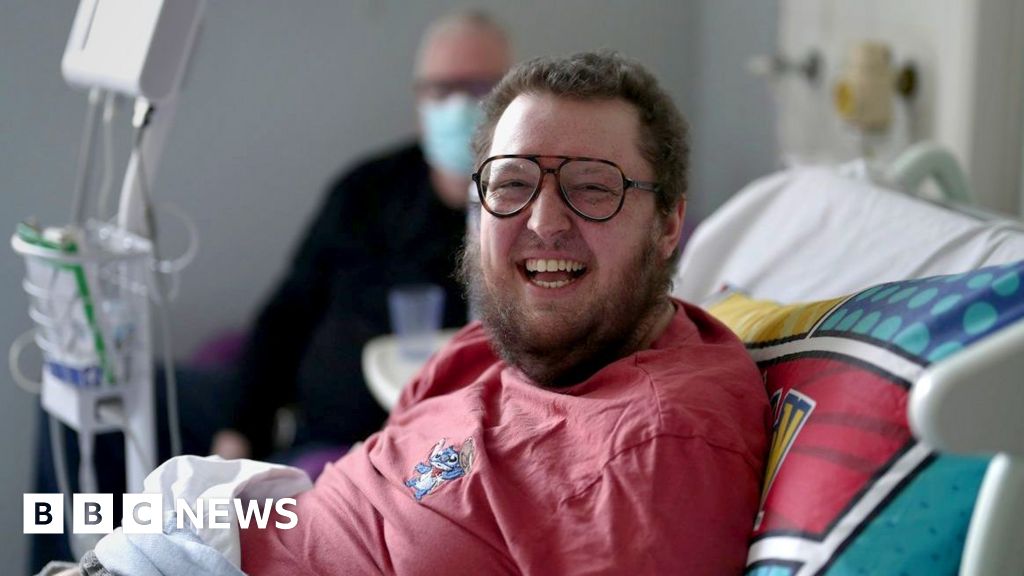
Comparing CAR-T therapy to existing treatments, the advantages are stark. Dr. Eleni Tholouli, Oscar Murphy’s haematologist, emphasized CAR-T therapy’s superior safety profile, fewer side-effects, and significantly higher effectiveness compared to conventional treatments. This translates directly into a strong competitive edge within the oncology market, potentially attracting more patients and reducing the burden on healthcare systems from aggressive, difficult-to-treat cancers. While the source content does not detail direct competitors, the broader gene therapy and personalized medicine space is highly competitive, with significant investment flowing into various companies. Autolus, as a key player in this specific CAR-T application, could see substantial growth if it continues to expand indications and secure global regulatory approvals. Investors should also note the shift towards localized manufacturing (e.g., Stevenage lab in the UK), potentially optimizing supply chains and reducing costs. [Suggested Matrix Table: CAR-T Therapy vs. Traditional Leukaemia Treatments: Efficacy & Safety Profile]
For Retail Investors, Swing Traders, Long-term Investors, and Finance Professionals, the advent of CAR-T therapy presents both compelling opportunities and inherent risks. This innovation validates the long-term investment thesis for biotech stocks focused on gene and cellular therapies. Investors should meticulously track Autolus’s clinical pipeline, geographical expansion, and quarterly earnings reports. Key metrics to watch include patient uptake rates, the impact of confidential discount structures on overall revenue, and ongoing R&D into new indications or improved CAR-T platforms. Risks include the high cost of production, complex logistics of personalized medicine, and intense competition from other emerging therapies. However, the prediction that CAR-T could eventually become a first-line treatment instead of stem cell transplantation suggests a massive untapped market, indicating robust growth potential for this sector within the broader Stock Market India context, particularly for Indian investors looking at global pharma innovation. Monitoring developments in this space offers strategic insights into the future of healthcare investment.
About the Author