Key Takeaways
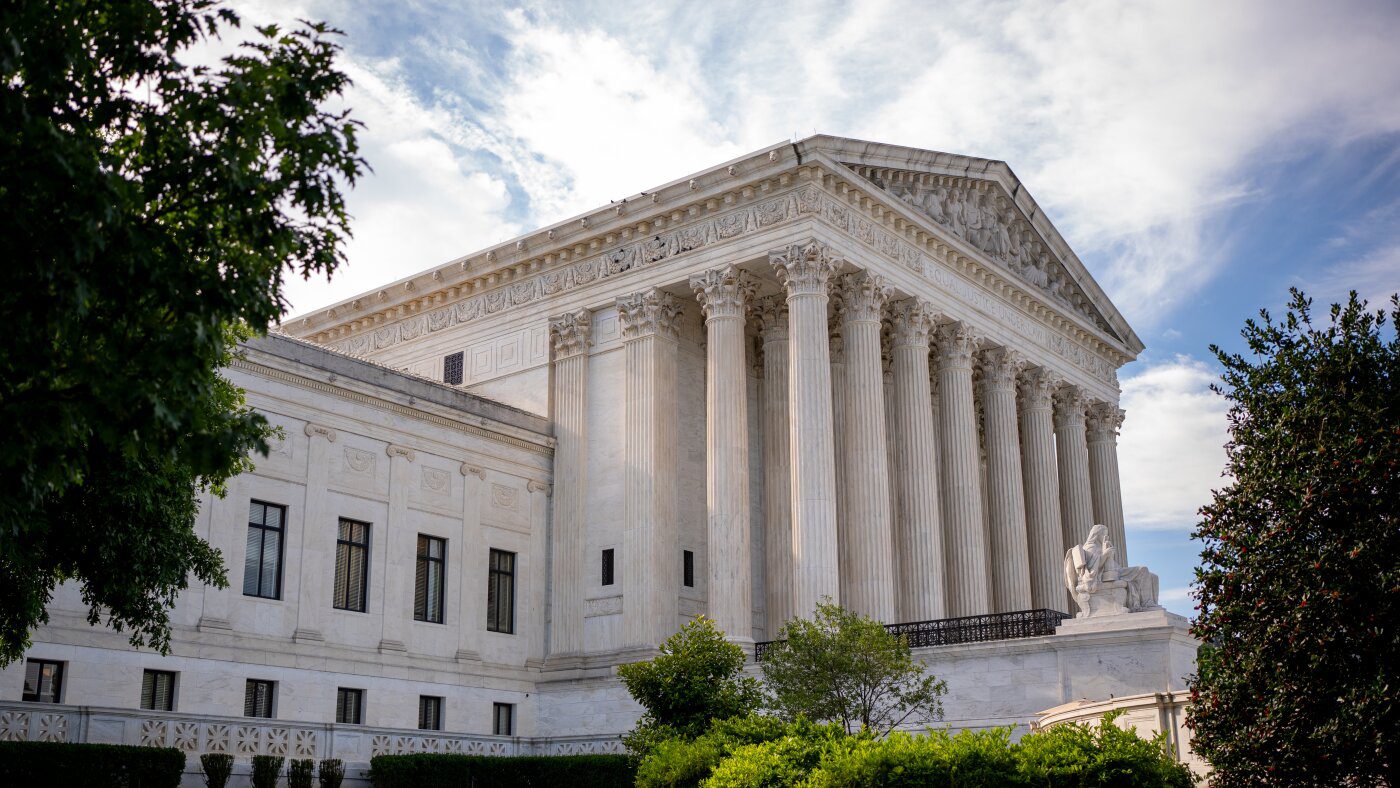
The US Supreme Court appears likely to uphold state bans on transgender athletes in sports. Understand the legal arguments, implications for fairness, and discrimination.
Overview
The U.S. Supreme Court recently signaled its likely support for state laws banning transgender athletes from participating in girls’ and women’s sports. This potential ruling marks a significant development in the ongoing debate surrounding fairness and inclusion in athletics across the United States, drawing considerable attention as part of today’s current affairs.
This critical legal stance could redefine participation rules for transgender individuals in school and college sports, impacting countless athletes and sparking discussions about equal protection under the law. The issue balances concerns over competitive equity with arguments against gender-based discrimination.
Currently, 27 U.S. states have enacted laws restricting transgender participation in sports. The Court’s recent deliberations included factually distinct cases, one involving an Idaho college student and another a West Virginia middle school student.
Observers are closely monitoring this situation as the Supreme Court’s final decision will have far-reaching implications for sports policies and human rights, shaping the legal landscape for transgender individuals in the coming years.
Detailed Analysis
The contentious issue of transgender athletes in sports has reached the highest judicial body in the United States, with the Supreme Court appearing to lean towards upholding state-level bans. This development is part of a broader trend where legislative bodies in numerous states have moved to restrict the participation of transgender individuals in sports, particularly in women’s categories. The discussion often centers on balancing the desire to ensure fair competition, especially for cisgender women, against the imperative to prevent discrimination based on gender identity. Historically, the legal framework around sex discrimination has evolved, but its application to transgender rights in sports remains a complex and hotly debated area, reflecting shifting societal norms and legal interpretations.
At the heart of the matter lies the fundamental conflict between the belief that athletes assigned male at birth possess inherent physiological advantages in women’s sports and the argument that excluding transgender individuals constitutes a violation of federal law and constitutional guarantees of equal protection. The Supreme Court’s seeming inclination to favor these state bans comes despite its 2020 ruling that federal law against sex discrimination in employment extends to gay and trans employees. However, recent court decisions have also supported state laws banning hormone treatments for minors with gender dysphoria, maintained a previous administration’s order regarding transgender military members, and mandated assigned birth sex for passport applicants. These precedents illustrate a nuanced and, at times, contradictory judicial approach to transgender rights, indicating a possible divergence in how these rights are applied across different aspects of public life.
The current legal challenges involve a range of scenarios, from a college student in Idaho seeking to join a varsity track team to a middle school student in West Virginia barred from competing in school sports. These cases highlight the broad impact of state bans across various age groups and competitive levels. The legal arguments presented often draw on Title IX and the Equal Protection Clause, asserting that these state laws either discriminate unfairly or are necessary to preserve the integrity of women’s sports. With 27 states already having such laws in place, the Supreme Court’s decision will either affirm these state-level policies or potentially challenge their legal standing, creating a national precedent. This situation draws a sharp contrast with the ongoing efforts by LGBTQ+ advocates to expand protections and ensures the issue remains a pivotal part of current affairs debates and today’s updates on civil rights.
For general readers and news consumers following India news and global current affairs, the Supreme Court’s potential ruling signifies a critical juncture in the global discourse on human rights, sports equity, and gender identity. This decision could embolden other jurisdictions to enact similar laws or solidify existing ones, leading to further legal and social contention. Individuals and advocacy groups on both sides of the issue will undoubtedly react strongly, influencing future legislative efforts and public perception. Stakeholders should closely monitor the final ruling and its immediate aftermath, including any subsequent legal challenges or policy adjustments by athletic organizations. The outcome will shape not only the future of sports participation for transgender athletes but also the broader interpretation of equality and non-discrimination in a rapidly evolving legal landscape.
About the Author