Key Takeaways
US commander highlights rising Arctic tensions as Russia and China expand strategic presence. Understand global security implications and NATO’s response. Essential current affairs.
Overview
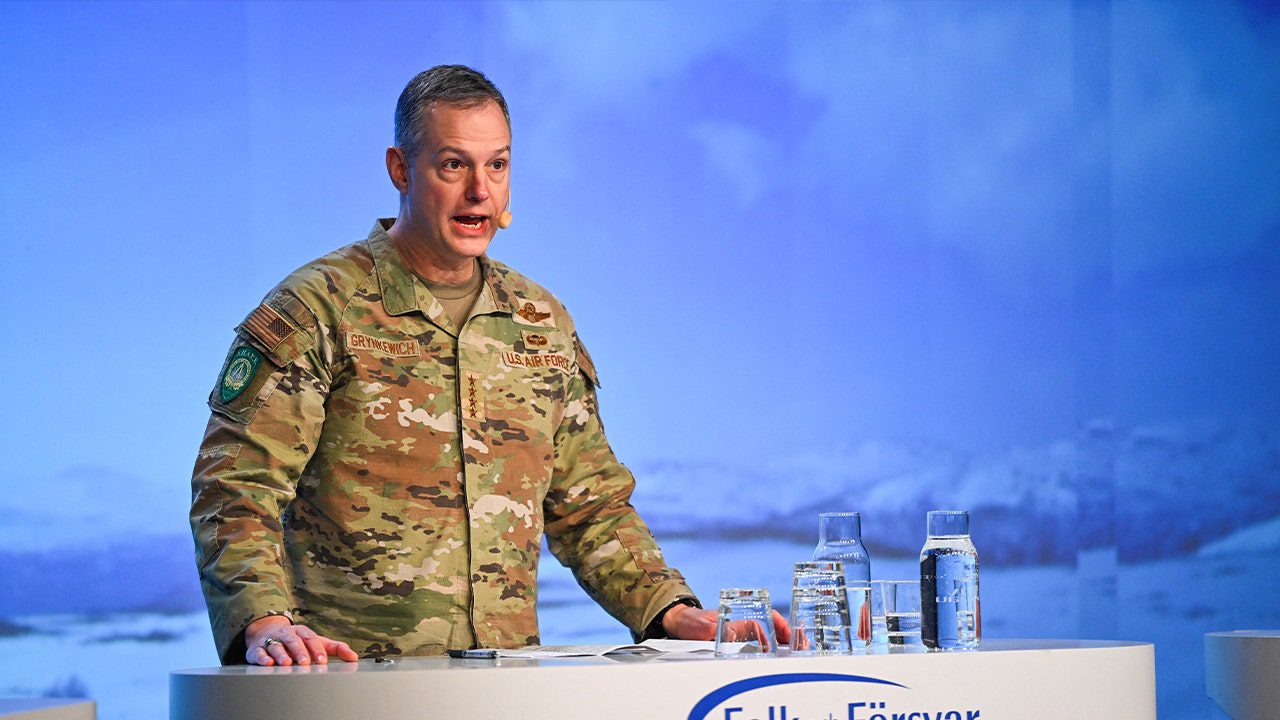
A senior U.S. commander has issued a stark warning regarding the escalating presence of Russia and China in the Arctic region. General Alexus Grynkewich, the Supreme Allied Commander Europe, stated definitively that their expanded activities are for strategic rather than scientific objectives, declaring, “It’s not for peaceful reasons.” This development marks a critical point in global current affairs, drawing attention to strategic competition.
This assertion carries significant weight for general readers and news consumers, as it underscores rising geopolitical tensions in a region previously considered less volatile. The Arctic’s strategic importance grows as melting ice opens new shipping routes and access to valuable resources, making military positioning there increasingly vital for global powers.
Specifically, Gen. Grynkewich highlighted that these nations are conducting bathymetric surveys—detailed mapping of the ocean floor—to counter NATO capabilities. They are engaged in more frequent joint patrols, intensifying military intelligence gathering near key North American territories.
The commander’s remarks, made at a conference in Sweden, signal a proactive shift in the global security landscape, urging vigilance and preparedness for evolving strategic dynamics. This report delves into the comprehensive analysis of these developments and their broader implications.
Detailed Analysis
The Arctic, long viewed primarily through an environmental lens, has unequivocally transformed into a critical geopolitical hotspot. Gen. Alexus Grynkewich’s recent statement from Sweden serves as a crucial update, highlighting a deliberate and growing strategic competition between Russia, China, and Western alliances. This shift is not new; the increasing navigability of Arctic waters due to climate change has gradually unveiled the region’s immense military and economic potential, leading nations to reconsider their Arctic strategies. Historically, the Arctic has seen periods of cooperation, particularly in scientific research and environmental protection. However, the current trajectory points towards a more adversarial posture, reminiscent of Cold War-era strategic maneuvering but with new players and evolving capabilities. The underlying motivation, as described by the U.S. commander, is clear: an expansion of influence and a quest for military advantage, particularly in denying adversaries key operational spaces. This context helps general readers understand that the Arctic is not just a distant, icy frontier but an integral part of today’s complex international relations, directly influencing global trade, defense, and resource security. India, as a significant player in international affairs, watches these developments closely, understanding their potential ripple effects on global supply chains and strategic stability. Today’s updates reveal a deepening commitment from non-Arctic powers like China to establish a formidable presence, signaling a long-term strategic game that extends beyond traditional regional actors.
Delving into the specifics of Gen. Grynkewich’s concerns, the emphasis on “bathymetric surveys” is particularly telling. These are not benign scientific endeavors to study marine life but critical intelligence-gathering operations designed to map the ocean floor. Such data is invaluable for submarine navigation, identifying choke points for naval operations, and establishing optimal routes for undersea cables or sensors. This level of detailed mapping provides a crucial advantage in potential underwater warfare and surveillance. The commander explicitly stated that Russia and China are not engaged in “studying the seals and the polar bears” but are actively working to understand and counter NATO capabilities both on and under the sea. Furthermore, the report highlights an increasing frequency of joint patrols by Russian and Chinese vessels in strategic areas north of Alaska and near Canada. While Grynkewich noted no immediate threat, attributing this partly to Russia’s ongoing preoccupation with Ukraine, this assessment does not diminish the long-term strategic implications. It merely suggests a temporary deferral of acute confrontation, underscoring the enduring nature of this geopolitical rivalry. The concerted efforts by Russia, China, and even North Korea, in coordinating their opposition to the West—with China providing financial backing for the war in Ukraine, Iran supplying weapons, and North Korea offering manpower—demonstrate a broader trend of interconnected strategic alignment that is now extending into the Arctic. Chinese icebreakers and research vessels in Arctic waters are similarly believed to be serving military objectives under the guise of scientific exploration, seeking to gain a decisive military edge.
The strategic maneuvers by Russia and China in the Arctic stand in stark contrast to the concerted defense and deterrence efforts being mounted by NATO. While one major power, Russia, is an Arctic nation, the inclusion of seven out of eight Arctic states within the NATO alliance positions the West with a formidable defensive posture. This nearly unified front allows for a comprehensive approach to regional security, unlike other contested zones where alliances may be more fragmented. NATO has significantly stepped up its deterrence, focusing on protecting critical infrastructure and enhancing allied coordination. A key operational change includes bringing all alliance operations in the Arctic under a single command, specifically NATO’s Joint Force Command Norfolk, Virginia. This consolidation aims to bolster defense across Europe, the High North, and vital approaches to North America. The alliance is also expanding its Arctic surveillance capabilities, improving crucial infrastructure and logistics, and increasing the deployment of forces specially trained for operations in extreme Arctic conditions, including in new member states like Sweden. The previous discussions around former President Donald Trump’s insistence on the U.S. acquiring Greenland for national security reasons further underscore the long-standing recognition of the island’s strategic importance, given its location between North America and Europe, and its proximity to emerging Arctic shipping routes and military corridors. Greenland, an autonomous Danish territory, already hosts the significant U.S. military installation at Pituffik Space Base, which plays a vital role in missile warning, space surveillance, and broader Arctic operations. These comparative efforts reveal a multilateral, coordinated strategy by NATO to counter the bilateral, strategically oriented expansion of Russia and China, framing the Arctic as a theatre of both latent and active strategic competition.
For general readers and news consumers in India and worldwide, these developments in the Arctic underscore the shifting nature of global power dynamics and their potential impact on international stability. The expansion of strategic competition into new geographical frontiers like the Arctic means increased vigilance is required from all nations, including India, which has its own interests in global maritime routes and resource security. This evolving scenario can influence geopolitical alliances, trade routes, and resource allocation, with potential long-term implications for everything from energy prices to supply chain reliability. The actions in the Arctic, while seemingly distant, are inextricably linked to broader global security challenges, as evidenced by the reported coordination between Russia, China, and North Korea in other conflicts. Monitoring the frequency and nature of joint patrols by Russian and Chinese vessels will be crucial. Observers should also watch NATO’s continued investment in Arctic defense infrastructure and training, as well as diplomatic statements and cooperation initiatives from Arctic Council members. Any shifts in Russia’s engagement in Ukraine, for example, could free up resources for increased Arctic focus. Ultimately, the Arctic is rapidly transforming into a pivotal region that demands sustained attention, as the strategic decisions made there today will shape the geopolitical landscape for decades to come, impacting global stability and the balance of power in an increasingly interconnected world.
About the Author