Key Takeaways
Keir Starmer considers joining Trump’s Gaza peace board, shaping global diplomacy. Explore policy implications, stakeholder views, and future peace efforts.
Overview
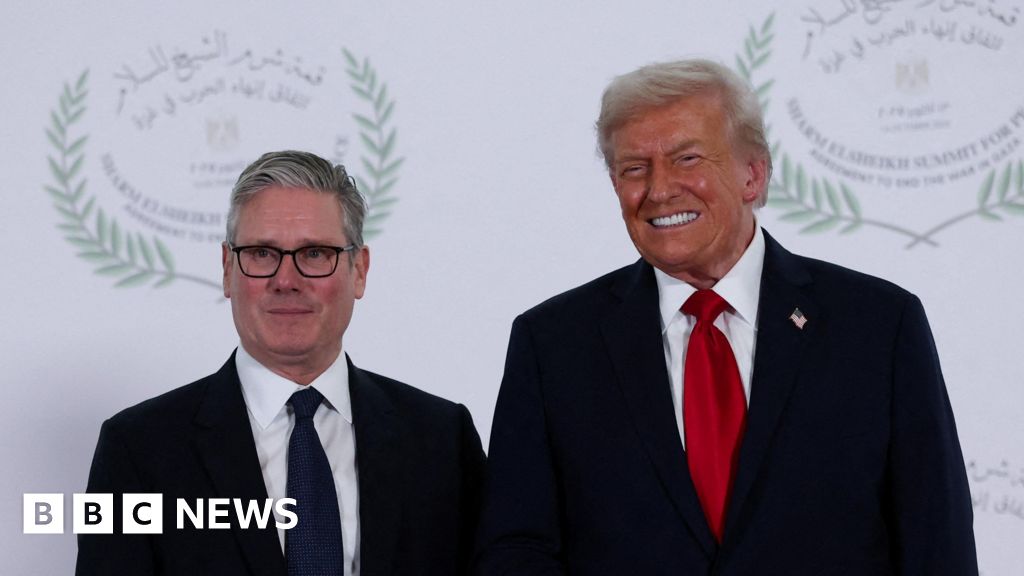
Prime Minister Sir Keir Starmer is actively considering joining US President Donald Trump’s proposed Gaza peace board, a development with significant implications for international diplomacy. This potential collaboration underscores a complex evolving relationship between UK and US leadership amidst critical global challenges.
This move is a key component of the White House’s comprehensive 20-point plan aimed at resolving the protracted conflict between Israel and Hamas. Its formation could redefine international efforts towards stability in the Middle East.
The proposed board is expected to oversee Gaza’s temporary administration and manage its crucial reconstruction. Former UK Prime Minister Sir Tony Blair is also anticipated to join a separate executive board alongside Trump’s advisors.
Policy watchers and political analysts will keenly observe the clarity sought by UK diplomats regarding the board’s precise role and its members, as this decision carries considerable weight for future government policy and international relations.
Detailed Analysis
The potential involvement of Sir Keir Starmer, the current UK Prime Minister, in a US-led Gaza peace board signifies a pivotal moment in international efforts to address the Israeli-Hamas conflict. This initiative comes amidst a prolonged period of instability in the region, characterized by repeated cycles of conflict and fragmented peace processes. Historically, the Middle East peace process has involved various international actors, with varying degrees of success. The complexity of regional politics, coupled with deeply entrenched historical grievances, often challenges even the most well-intentioned diplomatic endeavors. Sir Keir’s consideration reflects a broader imperative for global leaders to engage directly with critical foreign policy issues, aligning with his stated belief that an isolationist stance cannot solve domestic challenges like the cost of living crisis, necessitating active participation on the global stage.
Donald Trump’s 20-point plan envisions a peace board primarily tasked with the temporary oversight and reconstruction of Gaza, composed of what he terms “the most important leaders of the most important nations.” UK diplomats are currently seeking detailed clarification from the US State Department regarding the board’s exact mandate and the responsibilities of its members. Government sources indicate that a formal invitation has not yet been received by the UK, nor has a definitive decision been made. Notably, former UK Prime Minister Sir Tony Blair is expected to join a separate executive board, which includes Trump’s advisors Jared Kushner and Steve Witkoff. Sir Tony had previously expressed support for American plans, calling them the “best chance of ending two years of war, misery and suffering,” though his past involvement in military action in Iraq has drawn objections from some Middle Eastern states, complicating his role in such initiatives.
This proposed peace board stands distinct from previous multilateral or bilateral efforts, largely due to the specific composition proposed by former President Trump and its stated objectives. Unlike traditional United Nations frameworks or Quartet-led initiatives, this structure emphasizes a leadership-centric model focused on key nations. The involvement of global figures, particularly a sitting UK Prime Minister, could lend significant weight and diplomatic leverage to the board, potentially overcoming some of the inertia seen in past peace talks. However, the lack of immediate clarity on operational details, coupled with historical sensitivities surrounding certain figures, presents a comparative challenge. The diplomatic tightrope walk required to balance national interests with the urgent humanitarian and political needs of the region highlights the intricate nature of contemporary international diplomacy and the pursuit of government policy aimed at conflict resolution.
For News Readers, Policy Watchers, Informed Citizens, and Political Analysts, the immediate focus should be on forthcoming announcements from the US regarding the board’s membership and specific remit. The UK’s decision, once finalized, will signal its strategic alignment and commitment to post-conflict governance in Gaza. Stakeholders should monitor the reactions of key Middle Eastern states and international bodies to the proposed structure, as their buy-in will be critical for the board’s efficacy. Furthermore, any potential shifts in UK foreign policy, particularly concerning its relationship with the US and its stance on wider Middle East issues, will warrant close attention. The success of this initiative will ultimately hinge on robust international cooperation, clear objectives, and the capacity to navigate complex regional dynamics.
About the Author