Key Takeaways
New UK Public Office Bill faces delay as MPs question MI5 application. Understand the policy implications for intelligence services and public candour.
Overview
A critical legislative initiative, often referred to as the Hillsborough Law, designed to prevent cover-ups by public bodies, faces a temporary delay in the UK Parliament. This postponement stems from significant concerns raised by Members of Parliament and victims’ families regarding whether the new duty of candour will fully apply to the security services, particularly MI5.
The bill, officially known as the Public Office (Accountability) Bill, holds profound implications for government transparency and public trust. Its aim is to ensure state institutions and officials act truthfully, especially during investigations into wrongdoing, a principle championed by families of major tragedies.
Key points of contention involve the application of its ancillary duty of candour to individual intelligence officers, unlike their counterparts in organisations such as the police. Families of the 1989 Hillsborough disaster victims and the 2017 Manchester Arena bombing victims have explicitly urged the Prime Minister to ensure comprehensive accountability.
This legislative pause allows for further amendments and stakeholder consultations, signaling an ongoing debate on balancing national security imperatives with the unwavering demand for governmental openness and the pursuit of justice.
Detailed Analysis
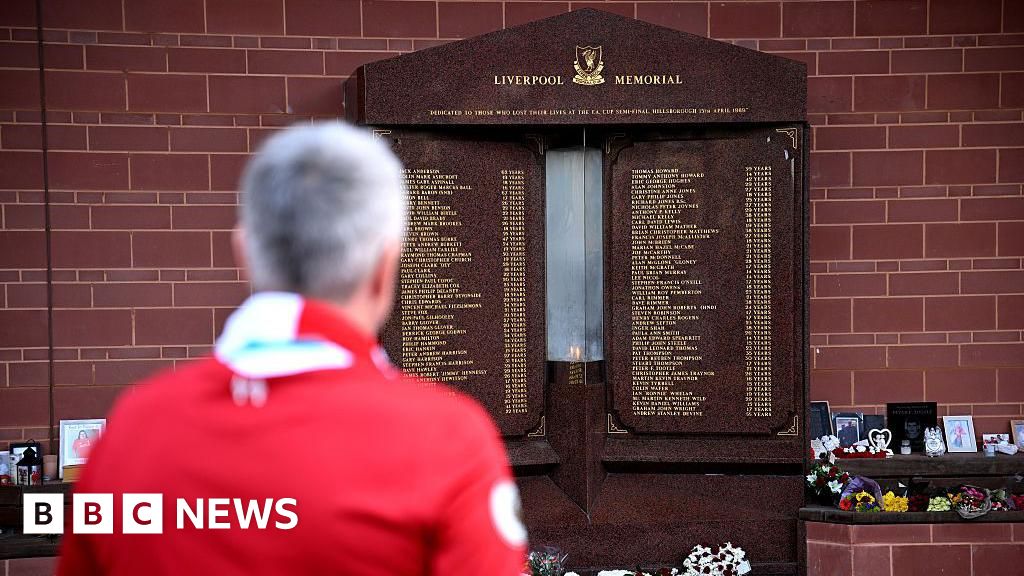
The deferment of the Public Office (Accountability) Bill’s third reading underscores a deep-seated tension between national security operations and the public’s right to transparency and full accountability from state institutions. This proposed legislation, widely known as the ‘Hillsborough Law’ due to its origins in the campaigning efforts of families affected by the 1989 Hillsborough disaster, aims to fundamentally alter how public bodies and servants interact with investigations into state failings. The disaster, which claimed 97 lives, saw police leaders disseminate false narratives and withhold crucial evidence, highlighting a systemic failure in candour.
Similarly, the bill has garnered significant support from families of victims of the 2017 Manchester Arena bombing. A public inquiry into that attack revealed that MI5 had not provided an ‘accurate picture’ of critical intelligence concerning the suicide bomber. These historical precedents form the bedrock of the legislation, which seeks to establish a new legal duty on public officials to act truthfully and fully support investigations, with criminal sanctions for breaches. The bill is structured around three core pillars: establishing a general duty of candour for all public officials, an ancillary duty of candour specifically for official investigations like inquiries and inquests, and a re-balancing of legal representation funding for state bodies and victims.
The current delay specifically hinges on whether the ancillary ‘duty of candour’ will fully extend to individual employees of intelligence agencies such as MI5, MI6, and GCHQ. Unlike police officers who would be subject to this duty, the existing draft legislation, according to campaigners, contains a ‘buried’ clause that would prevent its full application to individual intelligence officers. Pete Weatherby KC, a director of the Hillsborough Law Now (HLN) campaign, expressed feeling ‘misled’ by the government, indicating a breakdown in negotiations where campaigners believed a broader application had been agreed upon. This critical distinction has fueled cross-party concerns among MPs, prompting the government to delay the bill’s remaining stages to allow for consideration of amendments.
The Prime Minister’s official spokesperson has stated the government will not introduce legislation that ‘would put the national security of the UK or lives at risk,’ while also affirming a commitment to ‘get this right.’ The government claims to have already brought forward amendments to address concerns regarding the bill’s application to individual intelligence agency employees and pledges to ‘continue to listen to stakeholders on all sides of the debate’ to achieve a ‘careful balance.’ However, campaigners, including the families of five Manchester bombing victims, remain ‘dismayed,’ arguing that the current draft allows MI5 and other intelligence organisations to ‘escape the full duty of candour responsibility.’ They advocate for every security and intelligence officer, along with their organisational leaders, to bear full responsibility for telling the truth, a call that highlights the deep distrust accumulated from past incidents.
The debate surrounding this bill draws a critical comparison between the expected transparency of public servants in roles such as policing and those in national security. While the police, a public body, would be clearly bound by the duty of candour, the nuanced and often clandestine nature of intelligence work complicates direct equivalence. This highlights a persistent policy challenge: how to reconcile the imperative of state secrecy, often deemed vital for national security, with the fundamental principles of accountability and justice in a democratic society. Historically, legislative efforts to increase oversight of intelligence agencies have often involved careful exemptions or specific legal frameworks that acknowledge their unique operational environment. The current delay is a microcosm of this enduring challenge, reflecting ongoing societal demands for greater transparency even from the most opaque government departments.
The implications of the bill, particularly its scope, are far-reaching for News Readers, Policy Watchers, Informed Citizens, and Political Analysts alike. For News Readers, the story underscores the legislative process’s fragility and the persistent advocacy required by victim families to effect change. Policy Watchers will note the delicate tightrope walk by the government in navigating national security concerns against public and parliamentary pressure for greater state accountability. The outcome will shape future frameworks for intelligence oversight. Informed Citizens will recognise this as a crucial moment for reinforcing principles of truthfulness from government officials, potentially shifting the balance of power between the state and its citizens in inquiries involving public bodies. For Political Analysts, the cross-party consensus on the need for the bill, juxtaposed with the specifics of the MI5 exemption, reveals the complexities of modern governance and legislative drafting. They will monitor the nature of the proposed amendments and the political will to genuinely close perceived loopholes.
Moving forward, stakeholders will closely watch the parliamentary proceedings scheduled for next Monday when the remaining stages of the bill are set to take place. The specific language of any new government amendments, as well as the response from HLN campaigners and victims’ families, will be critical. The ultimate form of the Public Office (Accountability) Bill will define the extent of state transparency for years to come, influencing public trust in institutions like MI5 and setting a precedent for how governments balance security with unvarnished truth. The resolution of this debate is not merely a technical legislative adjustment but a significant moment in the ongoing evolution of democratic accountability.
About the Author