Key Takeaways
Global central banks defend Fed Chair Powell amid DoJ probe. Oil surges on Iran tariff threats. Understand market implications, inflation risks, and investment outlook for 2026.
Overview
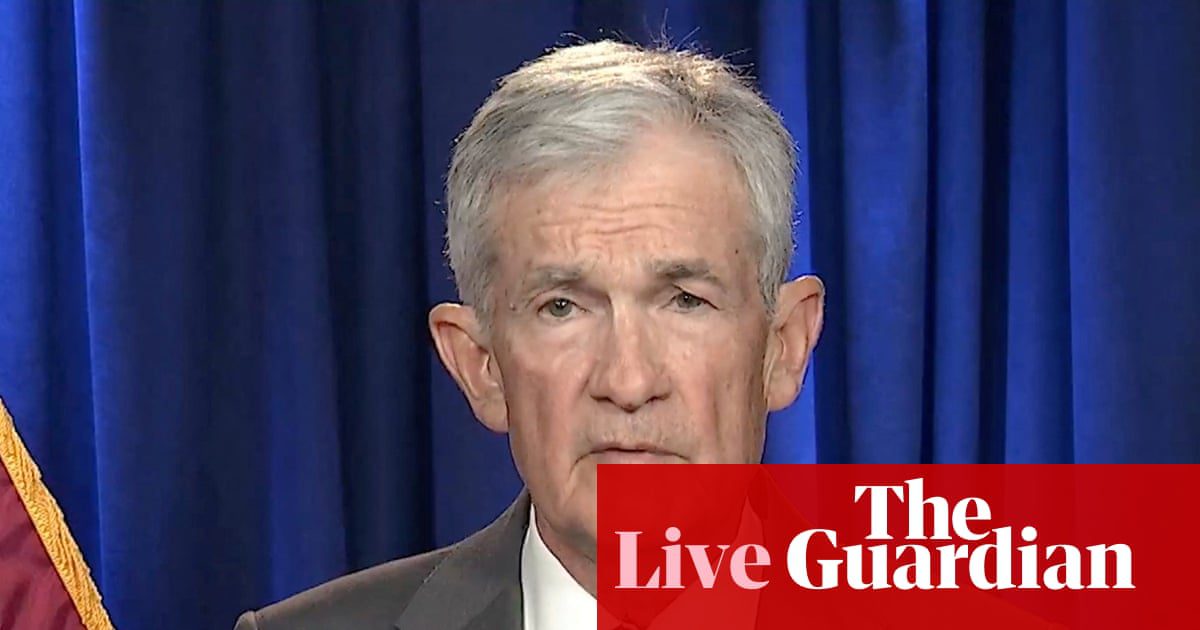
An unprecedented show of global solidarity has emerged as eleven top central bankers, including Christine Lagarde of the European Central Bank and Andrew Bailey of the Bank of England, publicly backed Federal Reserve Chair Jerome Powell. This unified front comes after the US Department of Justice initiated a criminal investigation into Powell, a move widely perceived as an attack on central bank independence. Such developments carry significant implications for the global financial markets, impacting investment and trading strategies.
For Retail Investors, Swing Traders, Long-term Investors, and Finance Professionals, the erosion of central bank autonomy introduces profound uncertainty into monetary policy and inflation outlook. This situation could lead to increased market volatility and a re-evaluation of sovereign debt stability, particularly in the US. The immediate concern is how political interference might compromise the Fed’s primary mandate of price stability.
Concurrently, oil prices have surged, with Brent crude hitting a two-month high at $64.46 a barrel, and US core inflation projected to tick up to 2.7% in December. This reflects heightened geopolitical risk following former President Trump’s threat of 25% tariffs on countries trading with Iran.
This article provides a detailed financial analysis of these interconnected events, examining their short, medium, and long-term implications for global investment and market stability.
Key Data
| Metric | 2025/26 H1 Actual | Previous Estimate | Variance (Actual vs Estimate) |
|---|---|---|---|
| Core Revenues (ex-licensing) | £316.1m (up 17%) | Not specified | Positive Growth |
| Total Sales (constant currency) | £334.7m (up 11%) | Not specified | Positive Growth |
| Profit Before Tax | £140.8m (up 11%) | Better than expected | Exceeded Expectations |
| US Tariff Impact | £6m incurred | £12m forecast | Lower Impact |
Detailed Analysis
The unprecedented show of solidarity for Federal Reserve Chair Jerome Powell by eleven of the world’s leading central bankers marks a critical juncture for global financial stability. The US Department of Justice’s criminal investigation into Powell, ostensibly over building renovations, is widely perceived as a politically motivated attack on the Federal Reserve’s operational autonomy. This erosion of central bank independence is a significant concern for Retail Investors, Swing Traders, Long-term Investors, and Finance Professionals globally, given its potential to destabilize economies. Signatories to the support statement include key figures like Andrew Bailey of the Bank of England and Christine Lagarde of the European Central Bank, underscoring the international concern regarding the precedent this investigation sets for monetary policy globally. This follows similar backing from former Fed chairs, reinforcing the narrative that central bank independence is under severe threat.
The core worry for central bankers and market participants is that political influence could compromise the Fed’s mandate to control inflation. Susannah Streeter, chief investment strategist at Wealth Club, explicitly warns that if the Fed prioritizes political whims over data-driven decisions, inflation could spiral out of control. This perspective is particularly pertinent as US core inflation for December is expected to rise slightly from 2.6% in November to 2.7%, moving further from target. A politically influenced Fed might be pressured to cut interest rates prematurely, exacerbating inflationary pressures. This scenario dampens enthusiasm for equities, as delayed rate cuts or a loss of price stability would negatively impact corporate earnings and investor confidence. The current situation highlights the fragile balance between governmental oversight and the critical need for an independent central bank to maintain economic equilibrium.
Historically, political interference in monetary policy has led to severe economic consequences. Analysts at Berenberg bank, such as US economist Atakan Bakiskan, draw direct parallels to the 1970s when President Richard Nixon pressured Fed Chair Arthur Burns, leading to a surge in US inflation. Such a trajectory today could lead foreign investors to reconsider financing US debt, seeking safer havens and potentially destabilizing global capital flows. This risk to market stability is compounded by recent geopolitical tensions. Oil prices have surged, with Brent crude reaching $64.46 a barrel—its highest in two months—and US West Texas Intermediate (WTI) crude climbing to $60 a barrel. This rise is directly linked to former President Trump’s threat of a 25% tariff on countries doing business with Iran, reigniting trade war fears. Major Iranian oil importers like China, the UAE, and India could be impacted, adding an estimated $3-4/barrel geopolitical risk premium to oil prices, as calculated by Barclays. This contrasts sharply with a week prior when Brent dipped below $60 amid prospects of increased supply from Venezuela.
For Retail Investors and Swing Traders, monitoring geopolitical developments and upcoming inflation data is paramount. The immediate volatility in currency markets (USD fell) and bond yields could present short-term trading opportunities, but also increased risk. Long-term Investors should critically assess their exposure to US assets, especially sovereign debt, considering the potential erosion of central bank independence. This could necessitate a strategic shift towards more diversified portfolios or assets in economies with demonstrably independent monetary authorities. Finance Professionals must analyze the broader implications for global monetary policy frameworks and international trade relations, recognizing the contagion risk from political interference in a major economy. Key metrics to watch include the US December inflation report, any statements from global central banks, and the impending Supreme Court ruling on US tariffs. The complex interplay of geopolitical risk, trade policy, and central bank autonomy creates a high-stakes environment demanding heightened vigilance from all participants in the global financial ecosystem.
About the Author