Key Takeaways
Iran’s unrest and US tariffs impact global trade. Understand the geopolitical risks, supply chain disruptions, and investment implications for 2026 market stability.
Overview
The partial restoration of international mobile phone calls in Iran on January 13, 2026, signals a cautious shift amidst intense domestic unrest, a development closely watched by global markets. This coincides directly with the United States’ decision to impose a stringent 25% tariff on countries trading with Iran, significantly escalating geopolitical tensions and introducing new variables for comprehensive financial analysis.
For Retail Investors, Swing Traders, Long-term Investors, and Finance Professionals navigating the complexities of the Stock Market India, NSE, and BSE, these intertwined developments carry significant implications. They demand immediate reassessment of global trade flows, supply chain stability, and regional economic stability, influencing investment strategies across asset classes.
Key data indicates international mobile calls are restored, while SMS and global internet access remain restricted. Critically, US tariffs of 25% are now imposed on Iran’s trade partners, signaling increased trade risk and costs for global commerce.
This analysis delves into the short-term reactions, medium-term ripple effects, and long-term strategic shifts essential for informed investment and trading decisions in this evolving geopolitical landscape.
Key Data
| Metric | Pre-Crackdown Status | Post-Crackdown (Jan 13, 2026) | Investor Implication |
|---|---|---|---|
| International Mobile Calls | Functional | Restored (Jan 13) | Mild De-escalation Signal |
| SMS Text Messaging | Functional | Still Down | Ongoing Communication Control |
| Global Internet Access | Functional | Restricted (Local Only) | Significant Business Disruption |
| US Tariffs on Iran Trade Partners | N/A | Imposed (25%) | Increased Trade Risk & Costs |
Detailed Analysis
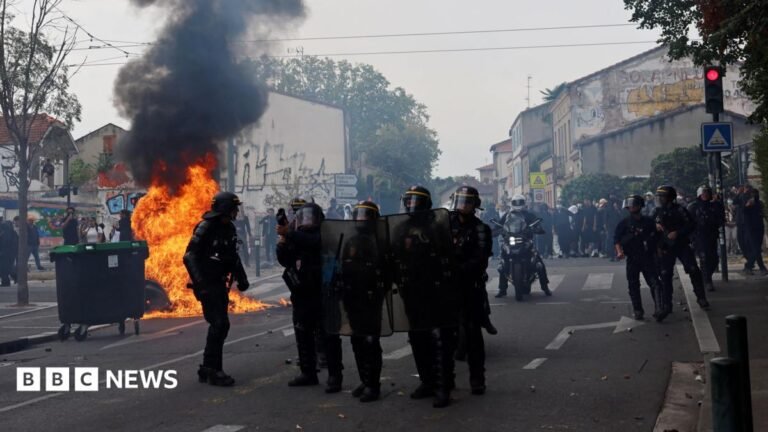
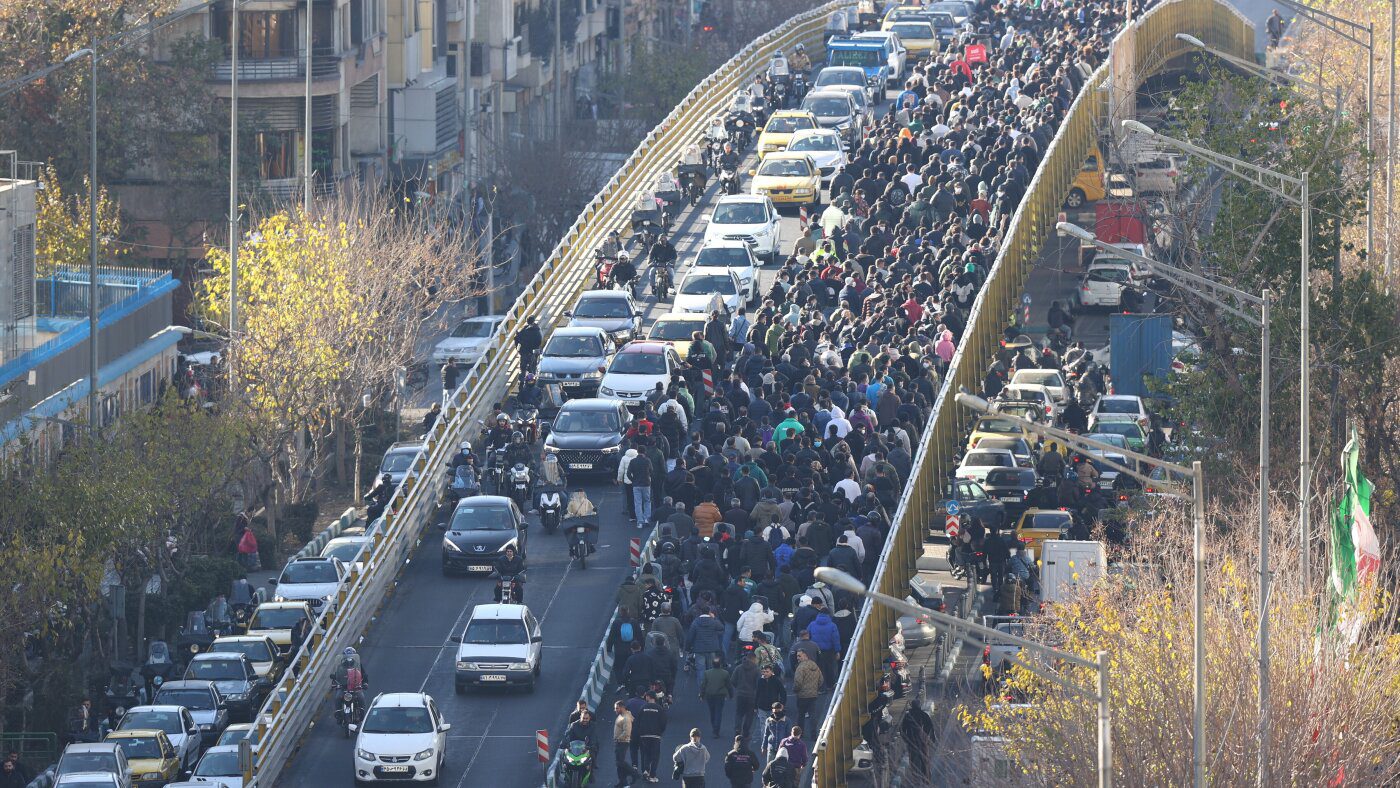
The recent developments in Iran, marked by the partial restoration of communications on January 13, 2026, after a five-day blackout, reveal a deeply complex and volatile geopolitical situation. This internal turmoil, ignited by widespread protests beginning December 28, 2025, in Tehran’s Grand Bazaar, has exacted a tragic human cost, with reports of 646 deaths and over 10,700 detentions. Historically, periods of significant domestic instability in key resource-rich regions, particularly those with geopolitical sensitivity like the Middle East, have consistently led to heightened market anxiety. These events often trigger a flight to safety, impacting bond yields, currency valuations, and spurring volatility across equity markets globally. The current situation in Iran demands a nuanced financial analysis, considering both internal shocks and external policy shifts.
Internally, the damage to Iran’s financial infrastructure — including reports of burned banks, smashed ATMs, and transaction difficulties due to internet shutdowns — highlights severe operational and credit risks. Such systemic disruptions make it challenging for international entities with even indirect exposure to maintain stable operations, potentially leading to increased credit defaults or supply chain interruptions. Externally, US President Trump’s immediate imposition of a 25% tariff on countries trading with Iran introduces a significant economic shockwave. This punitive measure directly impacts major trading partners like Brazil, China, Russia, Turkey, and the United Arab Emirates. For investors, these tariffs mean increased costs of goods, potential trade route reconfigurations, and a direct hit to the profitability of firms heavily engaged in commerce with Tehran. Companies in the Indian Stock Market, particularly those with extensive international trade linkages or commodity exposure, will need to monitor these dynamics closely for their potential impact on Sensex and Nifty performance.
Comparing Iran’s current state to historical geopolitical crises reveals a consistent pattern of increased market volatility. Past episodes involving major oil-producing regions or significant trade disputes have demonstrated a direct correlation with shifts in commodity pricing, particularly crude oil and natural gas, and a broader dampening of global investment sentiment. The US tariffs echo prior trade escalations, where such measures caused substantial disruptions to global supply chains, increasing operational costs for multinational corporations. While specific internal market metrics for Iran remain limited due to communication restrictions, the sustained blackouts and infrastructure damage point to a substantial blow to local economic activity, likely leading to a higher perceived country risk premium. Investors should meticulously observe the economic and diplomatic responses from affected nations, as their countermeasures or adjustments will further shape international trade dynamics and global investment flows.
For all investor segments – Retail Investors, Swing Traders, Long-term Investors, and Finance Professionals – the unfolding situation in Iran necessitates a proactive re-evaluation of risk. The dual pressure of internal civil unrest and external trade tariffs significantly elevates geopolitical risk across the global financial landscape, impacting asset allocation strategies. Those with exposure to affected trade partners should reassess the potential impact on their portfolios, focusing on companies and sectors with direct or indirect business ties. While precise commodity price shifts are not detailed in the source, the region’s inherent instability mandates vigilant monitoring of global energy and raw material markets. Key metrics to monitor include the progress of diplomatic dialogues between Iran and the US, the longevity and impact of internal stability measures, and the specific economic policies implemented by the directly affected trade partners. This complex scenario underscores the critical importance of diversified portfolios and a nuanced, data-driven understanding of macroeconomic and geopolitical factors in an interconnected global market for prudent Investment and Trading strategies.
About the Author