Key Takeaways
BBC faces Donald Trump’s $10Bn defamation lawsuit over edited Panorama clip. Unpack the media drama, legal arguments, and pop culture impact of this high-stakes battle.
Overview
In a plot twist that rivals any Hollywood blockbuster, the BBC is gearing up for a major legal showdown, seeking to dismiss former US President Donald Trump’s colossal $10 billion defamation lawsuit. This high-stakes legal drama stems from an edited clip featured in the investigative documentary series Panorama, igniting a fiery debate across media landscapes and pop culture conversations.
For entertainment enthusiasts and pop culture fans, this isn’t just a legal filing; it’s a headline-grabbing saga that spotlights media ethics, celebrity power, and the intense scrutiny faced by public figures. The controversy has already seen significant ripple effects, proving that even a single edited phrase can spark a global media firestorm.
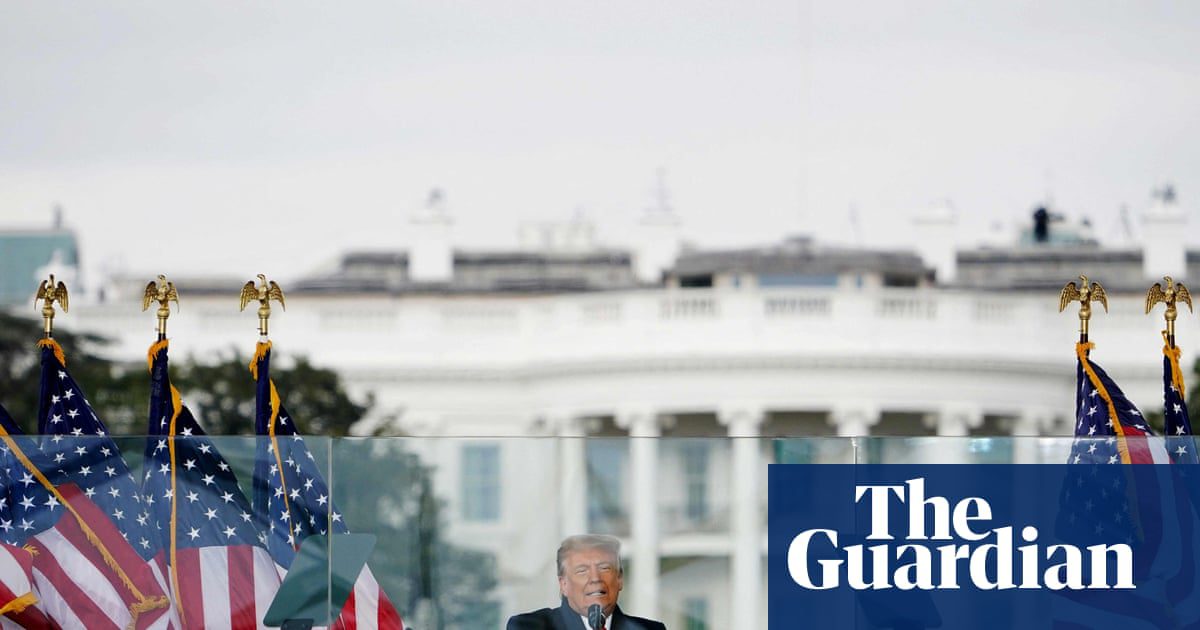
The lawsuit claims $5 billion in damages each on two counts, alleging the BBC “intentionally, maliciously and deceptively” edited Trump’s 6 January 2021 speech. The BBC, while admitting an “error of judgment,” insists there’s no legal basis for defamation.
As the legal chess game unfolds, the entertainment world is watching closely, anticipating the next move in this compelling intersection of politics, media, and celebrity news that could redefine journalistic boundaries and public perception.
Detailed Analysis
The ongoing legal spectacle involving the BBC and Donald Trump feels ripped straight from a season finale, captivating entertainment enthusiasts and pop culture aficionados with its blend of high-stakes drama and real-world implications. At its heart lies an edited segment from the BBC’s Panorama documentary, aired in 2024, which featured a spliced clip of Trump’s January 6, 2021, rally address. The controversial editing suggested Trump told supporters, “We’re going to walk down to the Capitol and I’ll be there with you, and we fight. We fight like hell,” by combining words spoken almost an hour apart. This incident rapidly transformed into a significant media controversy, highlighting the razor-thin line between journalistic editing and alleged defamation. The immediate aftermath saw widespread criticism, casting a spotlight on the ethical responsibilities of major broadcasters and the intense public scrutiny that accompanies high-profile news coverage. This wasn’t merely a news report; it became a cultural talking point, feeding into the broader narrative of media trust and political polarization that frequently dominates global pop culture discussions. The gravity of the situation was underscored by the resignations of Tim Davie, the BBC’s director general, and Deborah Turness, the head of BBC News, demonstrating the immediate, powerful repercussions within the entertainment and media industry for perceived missteps, further fueling the public’s fascination with this unfolding saga.
Now, the BBC is mounting a robust defense against Trump’s staggering $10 billion lawsuit, leveraging a multi-pronged legal strategy. Their core argument rests on technical and substantive grounds, primarily challenging the jurisdiction of the Florida court. The broadcaster claims it neither created, produced, nor broadcast the documentary in Florida, asserting that the court lacks “personal jurisdiction” over them. Furthermore, the BBC contends the court venue is “improper” and that Trump has “failed to state a claim,” which is a crucial hurdle for defamation cases involving public officials in the US. Such cases require plaintiffs to demonstrate “actual malice”—a high bar proving the publisher knew the information was false or acted with reckless disregard for its truth or falsity. The BBC explicitly states Trump has failed to “plausibly allege” actual malice. Adding another layer to their defense, the BBC refutes Trump’s assertion that the documentary was available in the US on BritBox, stating, “Simply clicking on the link that plaintiff cites for this point shows it is not on BritBox.” This factual rebuttal aims to undermine the claim of significant impact on Trump’s reputation among US audiences, especially since the episode never aired on BBC iPlayer or BBC One in the US. These detailed legal maneuvers underline the intricate nature of cross-border media litigation and the BBC’s unwavering commitment to defending its journalistic integrity, a narrative that resonates deeply within discussions around journalism ethics and media accountability in the entertainment sector.
This current legal tussle isn’t an isolated incident but rather a significant chapter in Donald Trump’s ongoing, high-profile engagement with major media entities, positioning this BBC showdown as part of a larger, fascinating pattern. Trump has a documented history of pursuing defamation lawsuits, often with significant outcomes that send ripples through the entertainment and news industries. For instance, following his re-election, he secured a notable $15 million settlement from ABC, owned by Disney, over comments made by anchor George Stephanopoulos. This was quickly followed by a $16 million settlement reached with Paramount, parent company of CBS News, in July, regarding alleged false editing of a pre-election interview involving Democratic candidate Kamala Harris. These previous victories set a compelling precedent, suggesting a strategic and often successful approach to legal battles against prominent media firms. While these cases differ in specifics, they collectively highlight a trend where figures like Trump use legal action to challenge media narratives and secure substantial settlements. For entertainment and pop culture fans, this comparison isn’t just about legal technicalities; it’s about power dynamics, the shifting landscape of media accountability, and the very public spectacle of a former president clashing with global news giants. The consistent pursuit of such lawsuits underscores the financial and reputational stakes involved, turning each legal filing into a new episode in the ongoing celebrity news cycle.
For Entertainment Enthusiasts, Pop Culture Fans, and those invested in the broader media landscape, the BBC-Trump lawsuit is far more than just dry legal proceedings; it’s a gripping narrative with wide-ranging implications. Short-term, the immediate focus is on the Florida court’s decision regarding the BBC’s motion to dismiss. A successful dismissal would offer the BBC a significant win and potentially deter future attempts at such expansive cross-border defamation claims. Conversely, if the motion fails, the case could proceed to a proposed 2027 trial, promising a prolonged legal battle that would continue to dominate headlines. Medium-term, this case could influence how major broadcasters approach sensitive political content, particularly concerning editing practices and international distribution. It might lead to stricter internal guidelines or heightened awareness of jurisdictional complexities in a globally connected media environment. The ripple effects could extend to other public figures considering similar legal avenues, creating a new benchmark for celebrity legal battles. Long-term, the outcome could profoundly shape the relationship between influential public figures and the media, impacting journalistic freedom, the perceived trustworthiness of news organizations, and the cultural acceptance of various reporting styles. Fans should keep an eye on court filings and any new statements from either party. This saga highlights the critical importance of media literacy and understanding the intricate balance between factual reporting and compelling storytelling. It reminds us that every clip, every word, can become a point of contention, turning media production into its own form of high-stakes entertainment.
About the Author