Key Takeaways
UK MP’s school visit cancelled over pro-Palestine protests. Understand the implications for free speech, community engagement, and current affairs debate.
Overview
A Jewish Member of Parliament’s school visit was cancelled following concerns raised by local pro-Palestine campaigners. This incident, highlighting increasing tensions surrounding global current affairs, sparked widespread debate across the UK and beyond.
The cancellation underscores the societal impact of international conflicts, even manifesting in local community engagements, affecting general readers interested in how global events shape daily life and political discourse.
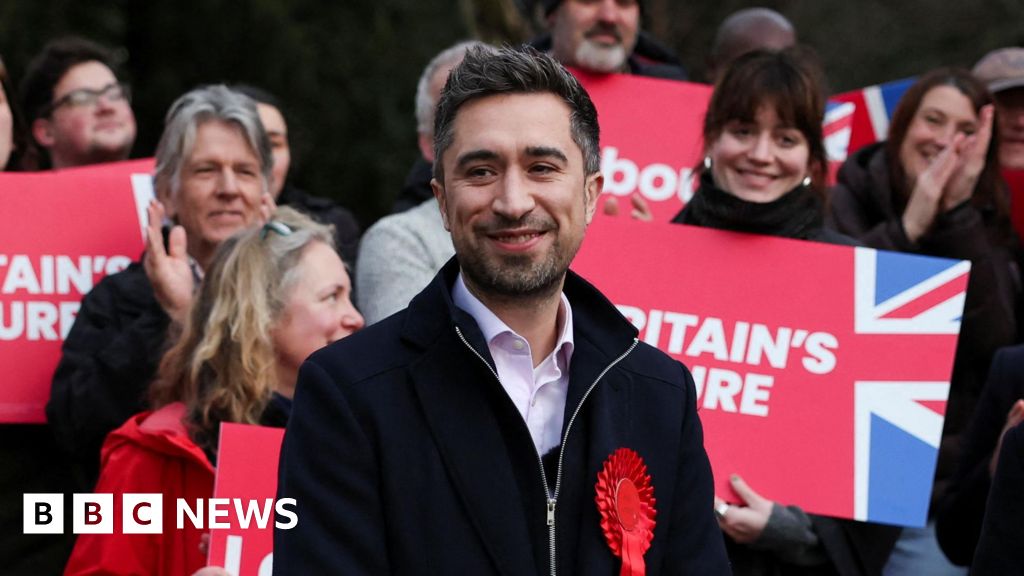
The event, initially planned for September, saw Palestine Solidarity Bristol oppose Labour MP Damien Egan’s visit due to his publicly stated support for Israel. The school cited a planned protest near its grounds as the reason for postponement, proactively consulting police.
This analysis explores the immediate reactions, broader implications, and the unfolding debate surrounding freedom of speech and political expression within educational settings, offering critical current updates.
Detailed Analysis
This incident serves as a stark reminder of how geopolitical events, specifically the ongoing Israeli-Palestinian conflict, reverberate through local communities and educational institutions globally. Historically, protests against government figures or their perceived stances on international issues are not uncommon in democratic societies. However, the cancellation of a Member of Parliament’s visit to a school within their own constituency, citing concerns over potential unrest, signals a heightened level of sensitivity and division within the public discourse. Labour MP Damien Egan, representing Bristol North East, found his routine community engagement unexpectedly derailed. His Jewish heritage and publicly known support for Israel became central to the opposition from groups like Palestine Solidarity Bristol, who deemed his presence unwelcome. This situation highlights a complex intersection of political advocacy, community relations, and the crucial need for protecting educational environments from becoming hotbeds of external political conflict.
The timing of the initial cancellation in September, followed by its highlighting in a recent speech by Communities Secretary Steve Reed, places this event firmly within the wider context of intensified debates surrounding the conflict. Such incidents often bring to the forefront the challenges faced by elected officials in navigating their representative duties while also holding personal or party-line stances on highly contentious global issues. For general readers, understanding this backdrop is crucial to grasping why a seemingly local school visit could escalate into a national talking point. It underscores how deeply intertwined global current affairs are with local community dynamics, particularly when issues evoke strong moral or political convictions among diverse segments of the population. This forms part of a broader narrative where civic spaces are increasingly becoming arenas for expressing dissent, especially concerning events impacting human rights and international diplomacy.
The cancellation event, which unfolded in September but gained significant traction after Communities Secretary Steve Reed’s recent address to the Jewish Labour Movement, revealed several layers of differing narratives and motivations. Reed vehemently condemned the incident, labelling it an “absolute outrage” and expressing strong disapproval of attitudes that might find an elected official’s presence inflammatory within an educational setting. While Reed strategically avoided naming specific individuals during his speech, his vivid description clearly pointed to the Labour MP’s predicament, suggesting a perceived political intimidation or censorship within a public institution. Damien Egan, the MP at the centre of the controversy, confirmed the event’s cancellation but notably chose not to offer further public comment. His silence, in a situation of such high public visibility, suggests the delicate and potentially contentious nature of the issue, underscoring the political sensitivities involved.
In contrast to the strong condemnation from governmental circles, the school presented a different rationale for its decision. It clarified that the visit was merely postponed, not permanently cancelled, due to legitimate concerns about a planned protest near its premises. The school’s primary concern revolved around the protest potentially clashing with the sensitive period of the end of the school day, thereby compromising student safety and overall operational order. This proactive stance, which also involved rescheduling the visit and consulting with local police for advice, underscores an institutional priority on safeguarding its pupils and maintaining an undisturbed learning environment. Meanwhile, Palestine Solidarity Bristol, the group instrumental in raising objections, publicised the cancellation on social media, framing it as a victory. They asserted it sent a “clear message” that politicians perceived as supporting Israel’s actions in Gaza “are not welcome in our schools,” attributing the move to broad concerns from various stakeholders including the National Education Union trade union staff group, parents, and local constituents. This stark divergence in explanation illustrates the complex layers of public relations, political messaging, and practical considerations at play.
This incident is not an isolated occurrence but rather resonates with a growing global trend where public figures and institutions confront intense scrutiny and protest over their stances on international issues. Across various democratic societies, similar situations have seen public events disrupted or cancelled due to fervent activism, raising complex and often challenging questions about the delicate balance between freedom of expression, the right to peaceful protest, and the imperative of ensuring public safety and order, particularly in sensitive public locations like schools. For instance, universities and public forums worldwide frequently grapple with the intricacies of managing student and community protests related to geopolitical conflicts, which often culminate in event cancellations, heightened security protocols, or even significant clashes. The fundamental distinction in this specific case lies in the direct targeting of an elected representative’s routine constituency engagement within an educational setting, an act that could set a troubling precedent for the nature of democratic participation and political discourse at a local level.
The current climate highlights the immense pressure on institutions to navigate highly charged political opinions while simultaneously striving to maintain an inclusive and respectful environment. Comparing this situation to historical precedents reveals an intensified politicisation of everyday civic spaces, where global concerns are increasingly brought to bear on local interactions. This dynamic compels a re-evaluation of how schools and other public bodies manage political controversies without appearing to endorse or suppress particular viewpoints, especially when those viewpoints are deeply divisive. The response of the school to postpone and consult with police, rather than outright cancel, suggests a cautious approach aimed at managing immediate risks while acknowledging the MP’s right to engage. This nuanced reaction stands in contrast to the absolute rhetoric of the protest group, underscoring the wide spectrum of approaches and interpretations surrounding such current affairs incidents. The situation also underscores the evolving dynamics of modern current affairs, where local actions are increasingly influenced by distant global events, demanding sophisticated responses from community leaders and institutions alike.
For general readers and news consumers, this incident offers a critical and timely lens into the escalating societal divisions often driven by complex global conflicts. It compels a deeper reflection on fundamental democratic principles: specifically, the interplay between the enshrined right to peaceful protest and the equally important right of elected officials to engage with their constituents without experiencing undue interference or fear for their safety. The cancellation or postponement of a public official’s visit to a school, a place traditionally dedicated to education and open dialogue, raises significant concerns about the potential for ‘cancel culture’ or intense political pressure to impede productive civic discourse. This can inadvertently foster an environment where only certain, pre-approved viewpoints are deemed acceptable, thereby stifling the very essence of democratic debate and diverse thought. Schools, which should ideally function as neutral spaces for learning and the free exchange of ideas, are increasingly finding themselves drawn into broader political arenas, serving as backdrops for protest and intense ideological expression.
Moving forward, general readers should closely monitor how political leaders, educational authorities, and community organisations choose to respond to such nuanced challenges. The precedents set by these responses could significantly influence future policies concerning public engagements, protest management within sensitive environments, and the protection of democratic participation. Understanding these dynamics is crucial for grasping the trajectory of contemporary social and political discourse. This event serves as a potent reminder of the complex and often challenging interplay between local community affairs, national political sensitivities, and pressing international humanitarian concerns. It underscores how these elements collectively shape today’s current updates and will undoubtedly influence future social dialogue. Moreover, it encourages citizens to consider the broader implications for societal cohesion and the principles of tolerance and mutual respect in a world increasingly connected yet simultaneously fragmented by diverse perspectives on global issues.
About the Author