Key Takeaways
Cuban President rejects negotiations amid Trump’s Venezuela oil cut threat. Analyze market reactions, long-term investment risks, and energy sector implications for Indian investors. Get expert financial analysis on oil sanctions impact.
Overview
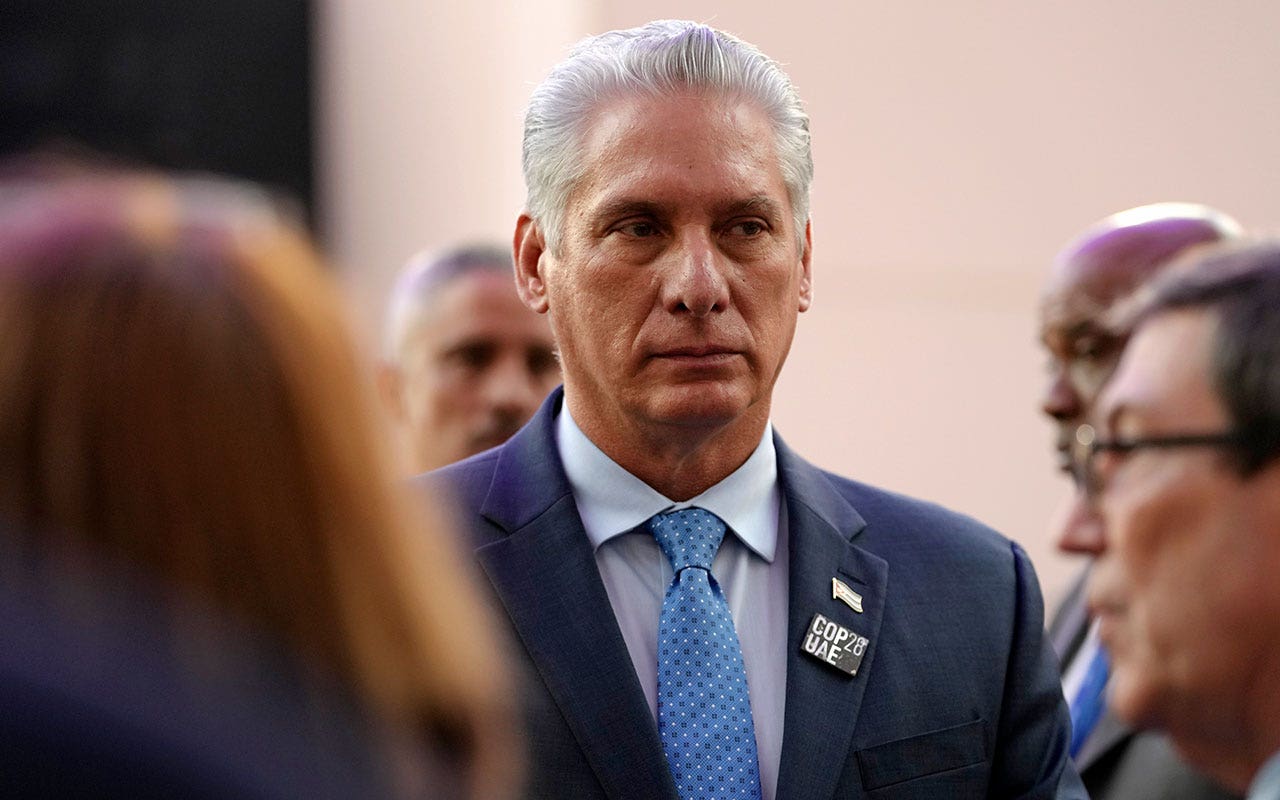
In a significant escalation of geopolitical tensions, Cuban President Miguel Díaz-Canel has vehemently rejected negotiations with the U.S. government, even as the Trump administration moved to sever Venezuela’s oil supply to Cuba. This defiance comes in response to President Donald Trump’s threats aimed at coercing Cuba into a deal, following a stunning operation in Venezuela that captured Nicolás Maduro and reportedly involved Cuban personnel.
For global financial markets, this development introduces considerable geopolitical risk, particularly impacting energy sectors, commodity trading, and investment sentiment towards emerging markets. Retail investors, swing traders, and long-term investors alike must closely monitor the potential ripple effects on oil prices and associated industries. Financial analysis suggests heightened volatility and supply chain uncertainties.
Cuba, historically reliant on external energy, faces a critical shortage, having previously imported 35,000 barrels per day from Venezuela, alongside 7,500 from Russia and 5,500 from Mexico. The complete cessation of Venezuelan oil represents a substantial energy deficit for the island nation, exacerbating existing infrastructure challenges.
This article provides a detailed financial analysis of these evolving dynamics, examining the short-term market reactions, medium-term economic consequences, and long-term investment implications for various stakeholders in the global and Indian investment landscape.
Key Data
| Oil Source to Cuba | Daily Volume (Pre-Venezuela Ban) | Daily Volume (Post-Venezuela Ban)* | Change (Barrels/Day) |
|---|---|---|---|
| Venezuela | 35,000 | 0 | -35,000 |
| Russia | 7,500 | 7,500 | 0 |
| Mexico | 5,500 | 5,500 | 0 |
| Total Estimated Daily Supply | 48,000 | 13,000 | -35,000 |
*Post-Venezuela Ban figures for Russia and Mexico reflect no immediate change specifically from the U.S. order targeting Venezuelan oil. However, broader U.S. sanctions are tightening on Russian and Venezuelan oil, posing future risks to these supply lines.
Detailed Analysis
The abrupt severing of Venezuelan oil to Cuba marks a critical juncture in the long-strained relations between the U.S. and the island nation, significantly impacting Cuba’s economic stability and presenting a novel geopolitical risk to global markets. Historically, Cuba has heavily relied on external oil subsidies, first from the Soviet Union and then from Venezuela, to sustain its economy and critical infrastructure. This dependency means that even a partial disruption, let alone a complete cessation from a major supplier, creates immediate and profound challenges. The Trump administration’s strategy leverages this vulnerability, aiming to compel Havana into a deal, but has been met with staunch defiance from President Díaz-Canel, who insists on negotiations based on international law and mutual respect, rather than coercion.
Financially, the loss of 35,000 barrels per day from Venezuela represents a severe blow to Cuba’s energy security. This shortfall is equivalent to a significant percentage of its pre-sanction daily imports, which totaled approximately 48,000 barrels from Venezuela, Russia, and Mexico combined. Such a drastic reduction will inevitably worsen Cuba’s chronic fuel shortages, leading to more frequent and prolonged blackouts, which have already plagued the nation due to an aging power grid. For investors, this scenario suggests potential upward pressure on global crude oil prices, as any reduction in supply, even if localized, contributes to market tightening. Energy sector stocks, particularly those involved in oil exploration, production, and refining, may experience increased volatility on the NSE and BSE, while shipping companies could see higher insurance premiums for routes in politically sensitive regions, reflecting an elevated geopolitical risk premium.
This situation bears similarities to other instances of economic sanctions and energy blockades, such as those imposed on Iran or Russia, albeit on a different scale. Cuba’s historical reliance on a single, major external oil source highlights its unique vulnerability compared to more diversified economies. The U.S. government’s tightening of sanctions on both Russian and Venezuelan oil generally, as mentioned in the source, compounds this crisis by threatening Cuba’s remaining supply channels. Should these broader sanctions impact Russian or Mexican oil flows to Cuba, the island’s energy deficit could deepen further, pushing its economy closer to a humanitarian crisis. From an investment perspective, this reinforces the need for robust country risk analysis and scenario planning for any portfolios exposed to emerging markets or the global energy supply chain. [Suggested Line Graph: Global Crude Oil Prices (Brent/WTI) over 6 months with key geopolitical events, highlighting periods of supply disruption announcements and market reactions].
For Retail Investors, the immediate takeaway is to monitor global crude oil benchmarks for price spikes. Consider defensive positions or re-evaluate exposure to energy sector funds or individual stocks that could be affected by supply disruptions or increased geopolitical instability. Swing Traders might find short-term opportunities in commodity trading, particularly crude oil futures, as market sentiment shifts rapidly with news updates on U.S.-Cuba relations or global oil inventory reports. Long-term Investors should conduct thorough financial analysis on companies with significant operations in Latin America or those deeply integrated into global supply chains vulnerable to such political upheavals. Diversification across geographies and sectors remains crucial to mitigate specific geopolitical risks. Finance Professionals should assess the sovereign risk profile of nations like Cuba and Venezuela, factoring in potential for debt distress and political instability. Key metrics to watch include oil price volatility indices, bond yields of impacted economies, and global shipping freight rates, all serving as indicators of escalating tensions and their financial implications for the global investment landscape.
About the Author