Key Takeaways
Lord Mandelson issues unequivocal apology for his friendship with Jeffrey Epstein. Explore the political implications, public reactions, and calls for accountability.
Overview
Former UK cabinet minister Lord Peter Mandelson has issued an unequivocal apology to the victims of Jeffrey Epstein, expressing regret for his continued association with the convicted paedophile after Epstein’s initial conviction. This marks a significant shift from his prior stance, where he had limited his apology to system failures.
The apology follows widespread criticism of his initial responses and impacts perceptions of political accountability. Mandelson’s earlier position, where he insisted he would only apologise if “complicit or culpable,” drew strong condemnation from both within and outside political circles, highlighting the intense scrutiny public figures face regarding associations with controversial individuals.
This development follows Lord Mandelson’s dismissal as the UK government’s ambassador to the US last September, with Downing Street citing “new information” regarding his friendship with Epstein. Emails revealed contacts after Epstein’s 2008 conviction for soliciting underage girls.
The incident underscores the enduring political and ethical implications for public officials caught in high-profile scandals, prompting a deeper examination of accountability and transparency in governance.
Detailed Analysis
The recent unequivocal apology from Lord Peter Mandelson regarding his sustained friendship with Jeffrey Epstein, a convicted paedophile, represents a crucial moment in the ongoing scrutiny of public figures and their associations. Historically, the Epstein scandal has cast a long shadow globally, implicating a network of influential individuals across politics, finance, and entertainment. Mandelson, a prominent figure in the Labour Party and former UK cabinet minister, found himself increasingly entangled in this narrative, particularly after emails revealed his continued contact and even advice to Epstein following the latter’s 2008 conviction for soliciting girls as young as 14 for prostitution. This historical context illustrates a pattern of influential figures maintaining ties with Epstein despite serious criminal charges, raising questions about judgment and accountability within elite circles.
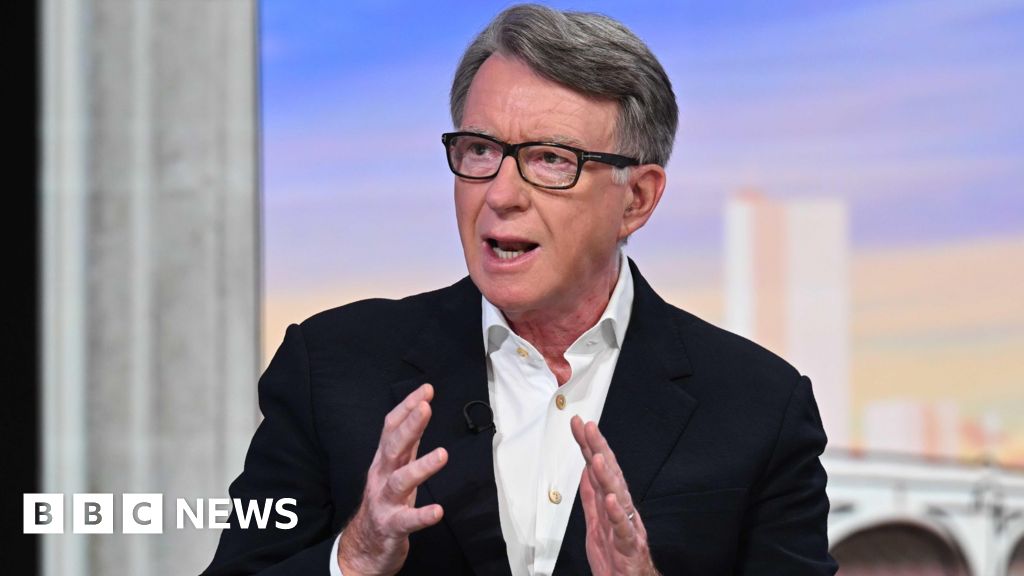
Mandelson’s shift from a qualified apology to an “unequivocal” one provides a detailed case study in political damage control and evolving public expectations. His initial apology over the weekend focused on “system failures that let down the women,” sidestepping direct responsibility for his personal association. However, in a statement to BBC Newsnight, he confessed, “I was wrong to believe him following his conviction and to continue my association with him afterwards. I apologise unequivocally for doing so to the women and girls who suffered.” This direct admission contrasts sharply with his earlier interview on BBC One’s Sunday with Laura Kuenssberg, where he justified his actions by denying complicity or culpability and claiming he was “kept separate” from Epstein’s sex life duecribing his gay identity. The context of his dismissal as UK ambassador to the US last September, explicitly linked to “new information” about his Epstein friendship, underscores the direct governmental consequence of these revealed ties.
The political repercussions of Mandelson’s initial interview versus his revised apology reveal a stark difference in reception. Following his Sunday interview, one cabinet minister reportedly deemed him “persona non grata,” while another described the interview as “horrendous and toe curling.” This critical feedback from within political ranks highlights the immediate and severe negative perception of his limited apology. In contrast, the subsequent unequivocal apology, while belated, addresses the core criticism: a perceived lack of empathy and personal accountability. Labour peer Baroness Kennedy’s comments on Newsnight further elucidate this, expressing shock at his initial reluctance to apologise and relief at his eventual, more comprehensive statement. The comparative analysis demonstrates that in high-stakes political situations involving moral failing, a direct and heartfelt apology for personal actions resonates far more effectively than one limited to systemic issues.
For News Readers, Policy Watchers, Informed Citizens, and Political Analysts, this episode offers several critical takeaways. It underscores the immense pressure on public figures to demonstrate personal accountability, especially when past associations are revealed to be morally compromising. The swift and strong political backlash against Mandelson’s initial response signifies a low tolerance for perceived evasion in such matters. Policy Watchers might observe renewed calls for stricter ethical guidelines regarding politicians’ interactions with individuals convicted of serious crimes. Informed Citizens will recognise the power of public and media scrutiny in driving deeper apologies and greater transparency. The immediate focus will remain on any further revelations or political statements concerning Mandelson’s past activities, as the long-term implications for his standing and the Labour Party’s image continue to unfold in the public discourse.
About the Author