Key Takeaways
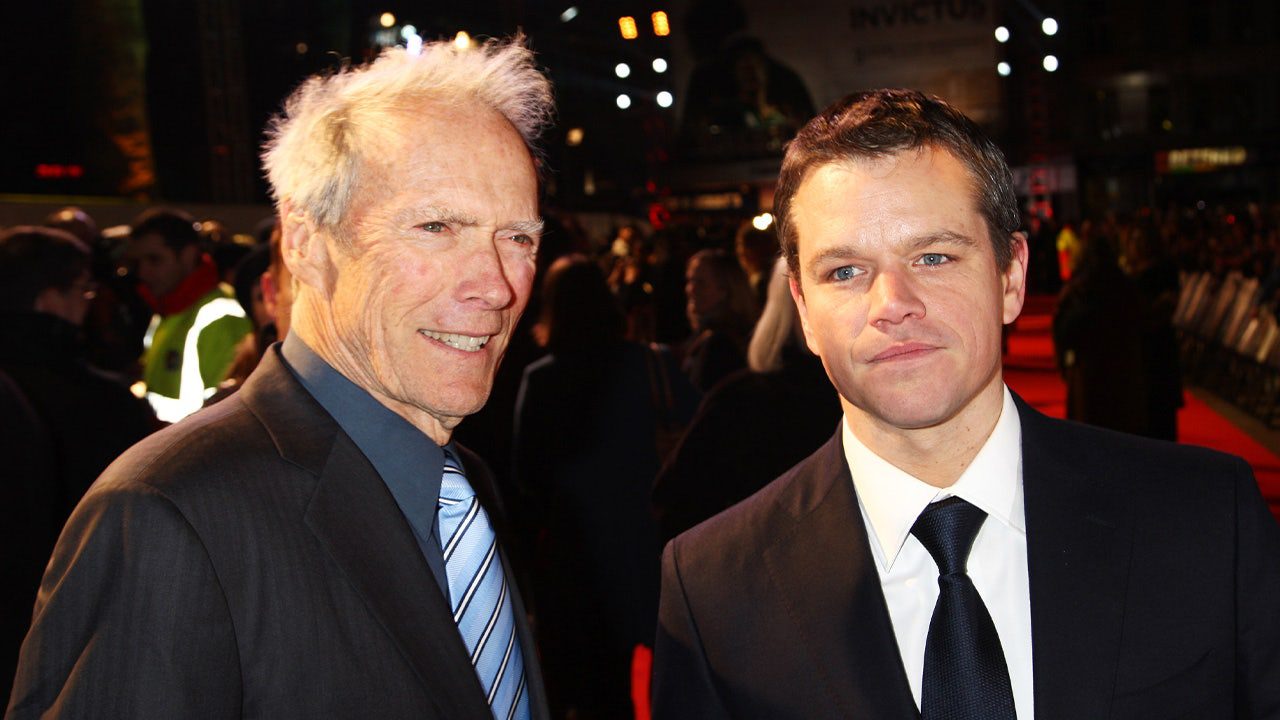
Matt Damon opens up about a blunt exchange with legendary director Clint Eastwood on the ‘Invictus’ set. Get the full scoop on Hollywood’s iconic figures.
Overview
Hollywood legend Matt Damon recently dished on a hilariously blunt encounter with iconic director Clint Eastwood while filming the 2009 docudrama, Invictus. Speaking on the popular “Conan O’Brien Needs a Friend” podcast, Damon revealed an unforgettable moment that perfectly encapsulated Eastwood’s no-nonsense directorial style, leaving fans buzzing about this peek behind the curtain.
This candid recollection offers a fascinating glimpse into the working dynamics of two cinematic titans, providing Entertainment Enthusiasts and Pop Culture Fans a unique perspective on the pressures and personalities that shape blockbuster productions. It’s a reminder that even Oscar-winners aren’t immune to a director’s sharp critique.
Damon spent six grueling months perfecting a South African accent for his role, only for Eastwood to deliver a terse “Cut, print, move on” after the very first take, famously asking, “Why you wanna waste everybody’s time?” when Damon requested another.
Get ready to dive deeper into this legendary Hollywood moment, exploring the context of their collaboration and what this revelation truly means for our understanding of film production and celebrity interactions.
Detailed Analysis
Matt Damon, an actor celebrated for his versatility and dedication, has graced our screens for decades, delivering memorable performances in everything from intense dramas like Good Will Hunting to action franchises like Bourne Identity. His journey has seen him collaborate with many of Hollywood’s most acclaimed directors, making his anecdote about Clint Eastwood particularly compelling. Eastwood, a living legend in his own right, is famed not just for his acting but for his highly efficient, often unconventional directing style, which prioritizes spontaneity and minimizing takes. This approach is a stark contrast to the meticulous, sometimes exhaustive, processes many actors and directors employ, creating an intriguing backdrop for Damon’s story.
The incident on the Invictus set perfectly illustrates Eastwood’s reputation. Damon, portraying a South African rugby player, poured six months of dedicated effort into mastering a challenging accent. Anticipating the typical process of multiple takes to refine a performance, especially on the first day of shooting, he was met with Eastwood’s swift approval. When Damon, perhaps driven by perfectionism or the desire to explore different nuances, requested another take, Eastwood’s response—”Why you wanna waste everybody’s time?”—was a jarring, yet ultimately enlightening, moment for the Oscar-winner. This directness, Damon later understood, stemmed from a deeper philosophy: a respect for the crew’s time and a belief in capturing raw, authentic performances without overthinking. He even noted a “kindness” in Eastwood’s underlying message, a testament to their professional bond.
Eastwood’s directorial methodology stands in fascinating opposition to many contemporary filmmaking practices. While some directors meticulously plan every shot and demand dozens of takes to achieve a specific vision, Eastwood famously aims for minimal takes, often preferring the energy of the first or second attempt. This style, which he honed over his long career, fosters an environment of preparedness and trust among his actors, but it can also be a challenge for those accustomed to a more exploratory process. The quick pace keeps production costs down and maintains a certain momentum, but it also places immense pressure on actors to deliver immediately. For entertainment enthusiasts, this insight offers a compelling look at the varying artistic approaches within Hollywood, highlighting how different directors achieve their unique cinematic signatures.
For Entertainment Enthusiasts, Pop Culture Fans, and Movie Lovers, Damon’s story isn’t just a funny anecdote; it’s a rare, intimate peek into the intense, often surprising, world of film production. It underscores the unique personalities that drive Hollywood and the varied philosophies that shape our favorite movies. This behind-the-scenes revelation provides valuable industry context, showcasing that what might seem blunt on the surface often hides a deep-seated professional ethos. It also offers a fresh perspective on the craft of acting, emphasizing the need for both meticulous preparation and the ability to adapt to a director’s specific demands. Fans can now appreciate the dynamic interplay between legendary actors and directors, understanding a bit more about the magic—and occasional bluntness—that brings stories to life on the big screen.
About the Author