Key Takeaways
Minnesota AG Keith Ellison sues the Trump administration to end the surge of ICE agents. Discover why this lawsuit challenges federal enforcement and its implications for state safety.
Overview
Minnesota Attorney General Keith Ellison has filed a lawsuit against the federal government, seeking to end the surge of Immigration and Customs Enforcement (ICE) agents in the state. This marks a critical legal challenge to federal immigration practices.
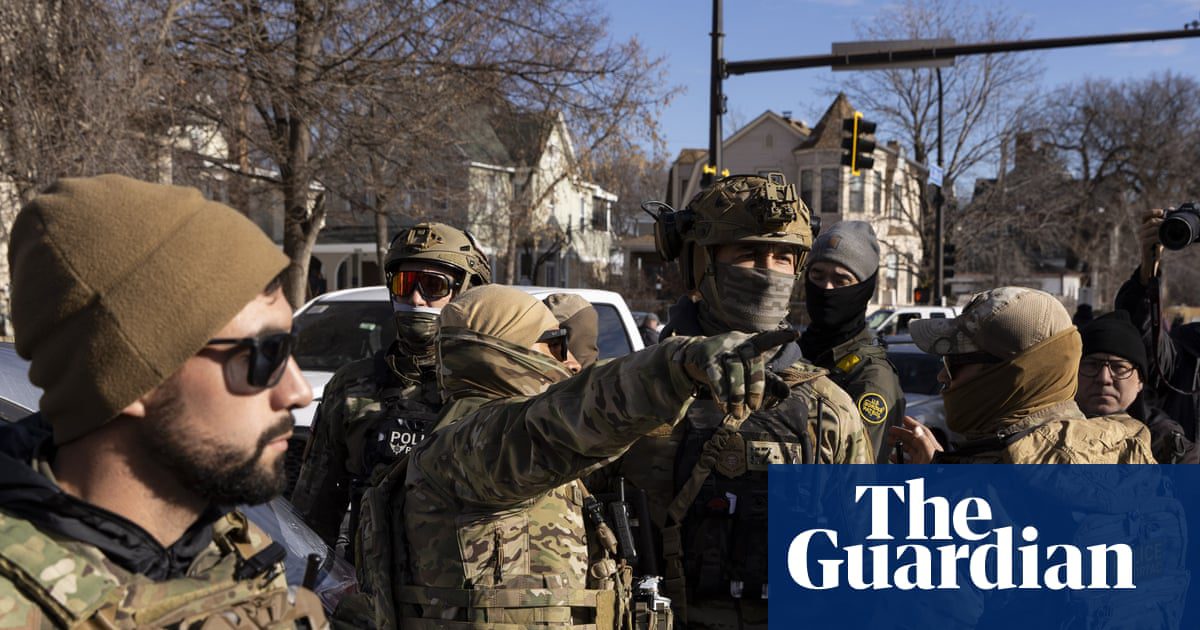
Ellison dramatically labeled the increased ICE presence a “federal invasion” of the Twin Cities, asserting it made communities “less safe.” This prompted school and business closures.
The lawsuit follows an ICE agent fatally shooting Renee Nicole Good and 20 reported instances of apparent abductions, with Ellison alleging poorly trained agents.
This lawsuit against the Department of Homeland Security raises significant questions about federal authority and state sovereignty in today’s current affairs.
Detailed Analysis
The lawsuit initiated by Minnesota Attorney General Keith Ellison against the Trump administration’s Department of Homeland Security represents an unprecedented escalation in the long-standing federal-state tensions over immigration enforcement. Historically, the relationship between federal immigration agencies like ICE and local governments has been complex, often fraught with disagreements over jurisdiction, resource allocation, and policy interpretation. However, a state directly suing the federal government over the operational deployment and conduct of its agents within state borders ventures into uncharted legal territory. Ellison’s stark characterization of the increased ICE presence as a “federal invasion” of the Twin Cities underscores the profound and irreconcilable differences concerning the scope and methods of federal immigration operations. This situation is not merely a localized dispute but rather a microcosm of a broader national debate surrounding federal authority, states’ rights, and the extent to which local communities can resist federal directives they deem harmful or unconstitutional.
Previous friction points have typically involved “sanctuary” policies, where cities or states limited their cooperation with federal immigration requests, or legislative efforts to counter federal mandates. This current action, however, moves beyond non-cooperation to a direct legal challenge against the active presence and alleged misconduct of federal agents. The timing of the lawsuit, following a highly publicized fatal shooting involving an ICE agent, injects a palpable sense of urgency and gravity into the proceedings. It forces a critical examination of accountability mechanisms for federal law enforcement operating within sovereign state territories. Such a direct confrontation in current affairs highlights the depth of the ideological and operational chasm between certain states and the federal government on immigration matters, setting a potential precedent for how similar disputes may be litigated and resolved in the future, impacting the delicate balance of power enshrined in the U.S. federal system.
Attorney General Ellison’s legal challenge presents a comprehensive indictment of the federal government’s immigration enforcement tactics in Minnesota. At the core of his argument lies the contention that ICE agents deployed in the state are “poorly trained,” a claim he starkly contrasts with the rigorous and extensive training protocols observed by local law enforcement, specifically the Minneapolis police department. This alleged disparity in training, Ellison argues, directly correlates with a pattern of concerning conduct, including the reported execution of “unconstitutional arrests” and the use of “excessive force” against residents. These actions, from the state’s perspective, not only violate fundamental constitutional protections but also undermine the trust essential for effective public safety.
A pivotal and tragic event cited in the lawsuit is the fatal shooting of resident Renee Nicole Good by an ICE agent last week. This incident served as a powerful catalyst, igniting widespread protests across the Twin Cities and intensifying public scrutiny of ICE’s operational procedures. The lawsuit further substantiates its claims by referencing approximately 20 distinct instances of “apparent abduction” of Minneapolis residents by ICE agents. These incidents, described by Ellison, paint a grim picture of federal enforcement tactics that reportedly bypass standard legal protocols and disregard individual rights. Beyond the immediate legal and operational concerns, Ellison also introduced a political dimension to the dispute, suggesting that the Trump administration specifically targeted Minnesota due to perceived “political bias.” He candidly stated, “Donald Trump doesn’t seem to like our state very much,” implying that the heightened enforcement was a retaliatory or punitive measure rather than a purely operational necessity.
Minnesota’s lawsuit, while unique in its directness, resonates with a broader narrative of federal-state conflicts over immigration policy that has unfolded across the United States. Historically, states like California, Illinois, and New York have adopted “sanctuary” policies, limiting local law enforcement’s cooperation with federal immigration authorities. However, these efforts primarily focused on legislative non-compliance or restricting information sharing. Minnesota’s action elevates this resistance by directly challenging the federal government’s on-the-ground operational methods and the presence of its agents. This is a significant departure from previous legal battles, which often contested specific federal mandates or funding conditions. The core of this current dispute shifts from what states must do to how federal agencies can operate within state borders.
The legal arguments invoked by Ellison, specifically claims of unconstitutional arrests and excessive force, draw parallels to past civil rights challenges against law enforcement agencies at various levels. However, the unique federal context introduces complex questions about sovereign immunity and the extent of federal power under the Supremacy Clause. This lawsuit probes the balance of power between federal authority to enforce national immigration laws and a state’s inherent police powers to maintain public order and protect its residents’ constitutional rights, regardless of immigration status. The outcome could significantly influence how other states, currently grappling with similar tensions, choose to engage with federal immigration enforcement. It forces a re-evaluation of the limits of federal reach and could empower states to assert greater autonomy over internal public safety matters. This unprecedented legal action sets a crucial precedent, highlighting the intensifying friction points in today’s current affairs regarding immigration and federalism.
For general readers and news consumers, Minnesota’s landmark lawsuit carries profound implications that extend far beyond the state’s borders. Firstly, it offers a compelling illustration of how states can actively and legally resist federal actions they deem detrimental to their populations or unconstitutional. This serves as a vital case study for the assertion of state sovereignty in an era of often expanding federal power. The legal strategies employed by Minnesota could inspire or inform similar challenges from other states grappling with perceived federal overreach in various policy domains, not just immigration. Secondly, the lawsuit places a critical spotlight on the conduct, accountability, and training standards of federal law enforcement agencies, particularly when operating within local communities. Allegations of “poorly trained” agents, “unconstitutional arrests,” and “excessive force” demand public scrutiny and raise fundamental questions about due process and human rights protections for all residents.
General readers should recognize that this legal battle is not merely about immigration but fundamentally about the balance of power within the U.S. federal system. It will determine the extent to which federal agencies can operate independently of, or even in direct opposition to, state authority. Upcoming court proceedings will therefore be crucial milestones. Key events to monitor include judicial rulings on preliminary injunctions, the discovery process that may reveal more details about ICE operations, and any potential appeals. The outcome could redefine the boundaries of federal immigration authority, reshape intergovernmental relations, and influence the legal framework for how federal enforcement agencies interact with local governance nationwide. This challenge forces a national conversation about what constitutes “safety” in communities, the role of law enforcement, and the protection of constitutional liberties, shaping future current affairs debates on federalism and human rights.
About the Author