Key Takeaways
The Iran crisis escalates with US threats and diplomacy. Analyze market volatility, investment strategies, and technical levels for NSE & BSE in 2026.
Overview
Heightened geopolitical tensions surrounding the Iran crisis are significantly impacting global market stability, with recent statements from the White House regarding potential military action creating substantial uncertainty. US President Donald Trump, while prioritizing diplomacy as a “first option,” has reiterated a willingness to use “lethal force” if deemed necessary, a stance that has immediately put investors on high alert across the Stock Market India and beyond.
This evolving geopolitical flashpoint introduces considerable tail risk for asset classes worldwide, potentially driving volatility across indices like the Nifty and Sensex. Swing traders may identify short-term opportunities in defensive sectors or commodities, while long-term investors must reassess regional risk premiums and portfolio allocations for sustained impact.
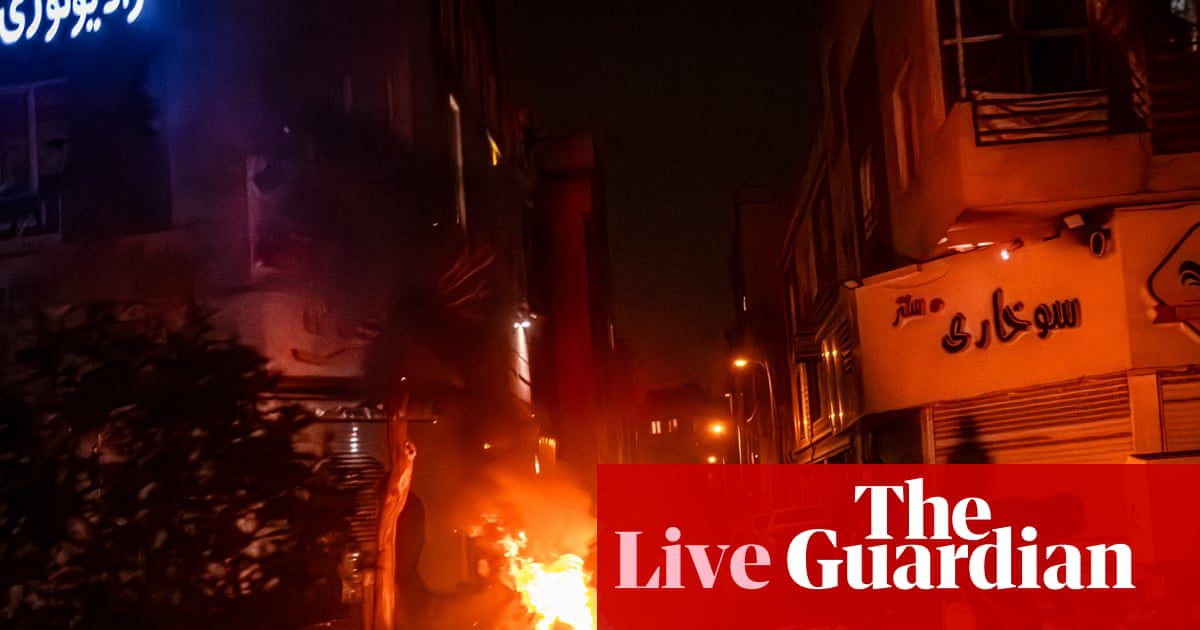
The internal situation in Iran reveals a country grappling with a “sudden fall in the country’s currency” and an ongoing “economic crisis,” exacerbated by nationwide protests. Communication challenges persist with an internet blackout now exceeding 84 hours, complicating real-time Financial Analysis. Rights groups report a rising death toll among demonstrators, reaching at least 648.
This analysis delves into the immediate and prolonged financial implications of the Iran crisis, offering insights into how this dynamic situation could reshape investment strategies and influence technical levels on major exchanges like the NSE and BSE, emphasizing key metrics and events for investors to monitor.
Key Data
| Crisis Indicator | As of Jan 11, 2026 (HRNA) | As of Jan 12, 2026 (IHRG) | Change |
|---|---|---|---|
| Reported Deaths | 599 | 648 | +49 |
| Internet Outage Duration | >72 hours | >84 hours | >12 hours extended |
Detailed Analysis
The unfolding geopolitical situation in Iran presents a complex risk landscape for global financial markets, impacting diverse investor segments from Retail Investors to seasoned Finance Professionals. The current crisis, rooted in escalating internal protests and amplified by international rhetoric, highlights the inherent fragility of global stability. Protests, initially sparked by a “sudden fall in the country’s currency” and a deepening “economic crisis,” have evolved into a significant anti-regime movement since late December. This internal strife is now being met with a dual approach from the White House: President Donald Trump signals a preference for diplomacy while simultaneously asserting a readiness for “lethal force,” including potential airstrikes. This contradictory messaging creates a climate of unpredictability, forcing market participants to continuously re-evaluate risk premiums. The prolonged internet blackout, exceeding 84 hours, severely restricts the flow of verified information, further complicating accurate **Financial Analysis** and fostering an environment ripe for speculative **Trading** in various asset classes, from commodities to emerging market equities.
From an **Investment** perspective, Trump’s pronouncements represent a crucial swing factor. The reiteration that diplomacy remains the “first option” offers a potential pathway for de-escalation, which could trigger a relief rally in risk assets. However, the caveat of being “unafraid to use lethal force” means markets must price in a significant military intervention risk. This binary outcome necessitates cautious positioning, with volatility indices likely to remain elevated. Iran’s Foreign Minister, Abbas Araghchi, has countered by stating the nation is “not seeking war but is fully prepared for war,” cautioning adversaries against “miscalculation.” This firm, defiant stance suggests that Iran is unlikely to concede readily, prolonging the standoff and the associated market uncertainty. The European Parliament’s decision to ban Iranian diplomatic staff and consider “new, more severe sanctions” adds another layer of economic pressure, which could impact global oil supply, shipping routes, and trade dynamics. Any disruption to these elements could cascade through supply chains, affecting inflation forecasts and corporate earnings globally, directly influencing the **BSE** and **NSE** through sector-specific impacts.
The internal dimensions of the Iran crisis are equally critical for investors. The increasing number of reported protester fatalities—rising from 599 to 648 in a short span—and the substantial number of arrests (over 10,600) signal an intensifying crackdown. Such internal instability can translate into a heightened political risk premium for any regional assets and indirectly affect global sentiment. The Iranian Parliament Speaker, Mohammad Bagher Ghalibaf, articulated a four-front war, encompassing “economic war, psychological warfare, military war against the US and Israel, and today a war against terrorism.” This framing broadens the perceived conflict scope, suggesting multi-faceted challenges that could have protracted impacts on the Iranian economy and, by extension, regional stability. The lack of transparent, verifiable data due to the internet blackout amplifies this uncertainty, as investors lack comprehensive visibility into the true scale of the protests and their economic fallout. This opaque environment fosters a speculative trading landscape rather than fundamental-driven **Investment** decisions, especially impacting those involved in short-term positions or **Swing Trading** strategies.
Comparing the current situation to past geopolitical flashpoints offers valuable context for **Finance Professionals**. While the scale of potential US intervention is not yet clear, previous US strikes on Iranian nuclear sites and Israel’s past military operations in June (which resulted in over 1,000 casualties) serve as historical precedents for market reactions. Such events typically lead to an initial spike in oil prices, a flight to safe-haven assets like gold and government bonds, and increased equity market volatility. The widespread nature of the current protests, spanning “almost all provinces and dozens of cities,” reportedly the largest since 2009, suggests a deeper, more entrenched internal challenge to the regime compared to past incidents. This internal weakness, combined with escalating external pressures, implies a higher potential for prolonged instability and more significant market repercussions than previous, more contained conflicts. For instance, any significant disruption in the Strait of Hormuz, a key oil transit choke point, could have immediate and severe impacts on global crude benchmarks, affecting energy-importing nations like India and influencing the **Sensex** performance through inflationary pressures. The EU’s move towards further sanctions suggests a coordinated international effort that may constrain Iran’s economic activities more severely than in prior episodes, thus tightening global energy markets.
For **Retail Investors** and **Swing Traders**, navigating this environment demands vigilance and a disciplined approach to **Trading**. Short-term movements will likely be driven by news flow surrounding diplomatic talks or any escalation of threats. Consider protecting portfolios with hedging strategies or by reducing exposure to highly correlated risk assets. Opportunities might arise in defensive stocks or commodities, particularly crude oil, depending on the severity of the crisis. Monitoring technical levels on the **Nifty** and **BSE** will be paramount, as support and resistance points can shift rapidly in volatile conditions. Longer-term investors and **Finance Professionals** should conduct thorough risk assessments of their portfolio’s exposure to geopolitical risks. This includes evaluating investments in sectors sensitive to oil price fluctuations (e.g., airlines, logistics, manufacturing), as well as those with direct or indirect exposure to the Middle East. Diversification across geographies and asset classes is crucial. Key metrics to monitor include official statements from the US and Iranian governments, any confirmed dates or outcomes of diplomatic engagements (like the discussions with US envoy Steve Witkoff), reports on the duration and extent of the internet blackout, and updated casualty figures from rights groups, which serve as proxies for internal stability. Furthermore, any developments regarding European sanctions will need close observation for their potential economic ripple effects. The current dynamic, characterized by a mix of diplomatic overtures and military readiness, alongside significant internal unrest and a challenging economic backdrop in Iran, strongly suggests that market volatility will persist. Preparing for continued sensitivity to geopolitical headlines, and adopting agile **Investment** and **Trading** strategies, will be critical for navigating the markets in the coming months of 2026.
About the Author