Key Takeaways
Notre Dame coach Marcus Freeman faces a battery allegation from a wrestling match. Get the facts on the police report, official statements, and legal implications for the coach.
Overview
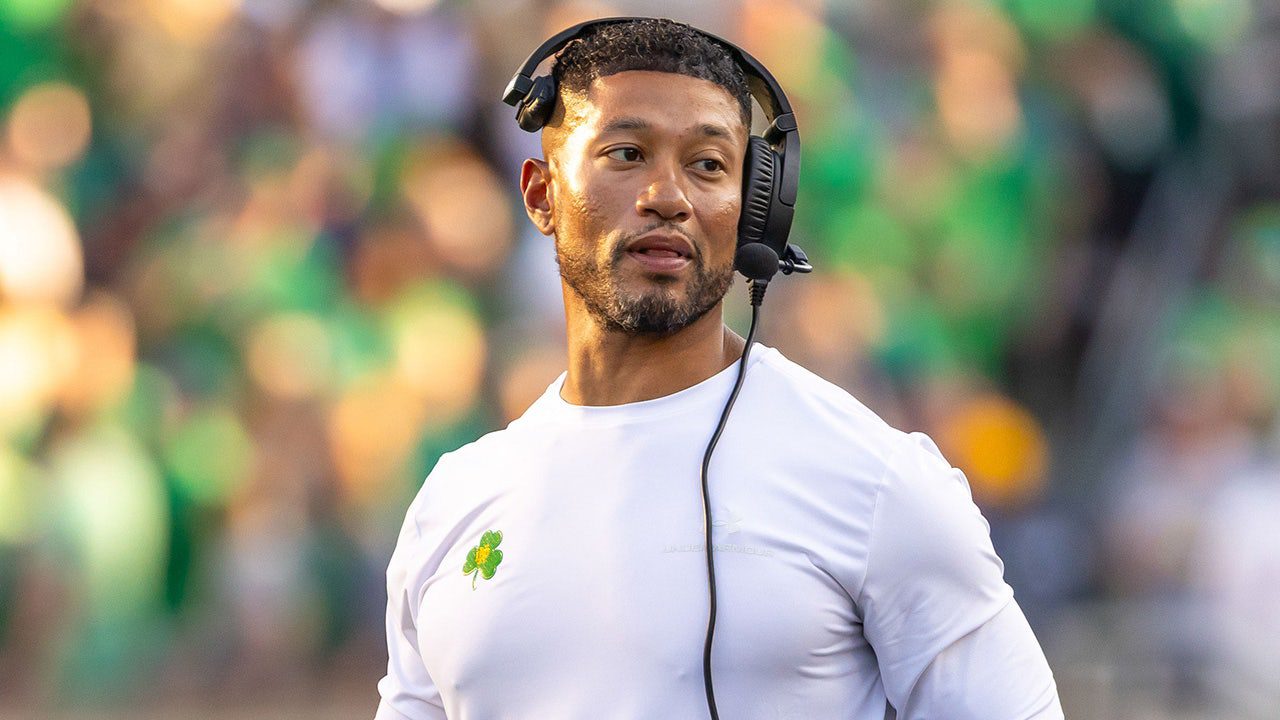
Notre Dame Fighting Irish football coach Marcus Freeman faces a startling battery allegation, stemming from an incident at a high school wrestling tournament earlier this month. The accusation, detailed in a police report, involves physical contact with New Prairie High School wrestling assistant coach Chris Fleeger, following Freeman’s son’s match.
This development casts a spotlight on conduct standards for high-profile figures, even outside their primary professional domain. The situation highlights the increasing scrutiny public personas face, prompting questions about immediate implications for Freeman and the Notre Dame athletic program.
The Mishawaka police have investigated the incident, with the prosecutor’s office now determining if charges will be filed. Notre Dame has issued a statement defending Coach Freeman, asserting he did not physically engage with anyone.
The upcoming decision from the prosecutor’s office will be a critical event, shaping the immediate narrative and potential future implications for the esteemed coach and the university’s reputation.
Detailed Analysis
The recent battery allegation against Notre Dame head football coach Marcus Freeman has emerged from a high school wrestling invitational, where Freeman was supporting his son, Vinny. The incident, as detailed in a police report, involves an alleged physical altercation with New Prairie High School wrestling assistant coach Chris Fleeger. This type of incident, involving high-profile sports figures in personal capacities, frequently draws significant public and media attention, raising questions about professional conduct and the boundaries between personal and professional lives. While not directly related to on-field performance, off-field controversies can impact public perception and, in some cases, career trajectories.
The sequence of events reportedly began after Vinny Freeman’s wrestling bout, when Marcus Freeman, his son, and Penn coach Brad Harper were exiting the gym. Allegations suggest an exchange of words and some form of physical contact between Freeman and Fleeger. Furthermore, Freeman’s wife, Joanna, was reportedly involved in a verbal altercation with Fleeger before police intervention. Notre Dame’s official statement strongly defends Coach Freeman, clarifying that his son, Vinny, was verbally accosted, leading to intervention by Marcus and Joanna Freeman to remove Vinny from the situation. The university maintains that Coach Freeman did not physically engage with anyone and believes video evidence included in the police report will fully exonerate him, deeming the accusations unfounded.
The incident is currently under investigation by Mishawaka police, who will forward their findings to the prosecutor’s office for a decision on whether to file charges. This legal process is standard for such allegations and will dictate the next steps for all parties involved. From an industry perspective, such incidents, while not uncommon across various public-facing professions, often trigger internal reviews and can lead to disciplinary actions regardless of legal outcomes. The situation underscores the constant media scrutiny surrounding prominent athletic figures and institutions, requiring careful management of public statements and adherence to due process. The Notre Dame football program, having narrowly missed the College Football Playoff despite a strong 10-2 season, is already under significant public observation, making this off-season development particularly sensitive.
For stakeholders interested in leadership and public accountability, the unfolding situation with Coach Freeman offers a case study in crisis management and reputational risk. The swift defense from Notre Dame highlights the importance of protecting key personnel, particularly given Freeman’s prominent role and his reported interest from various NFL teams for the upcoming 2026 season. The key metric to monitor is the prosecutor’s office decision, which will either validate or dismiss the battery allegations. This outcome will have immediate implications for Coach Freeman’s standing and could set precedents for how similar situations are handled for other high-profile individuals in collegiate sports. The incident also prompts a broader discussion on parental involvement in youth sports and the pressures faced by public figures in everyday situations.
About the Author