Key Takeaways
Bob Weir’s passing triggers review of Grateful Dead’s IP and music legacy. Analyze financial implications for entertainment investments and artist estates.
Overview
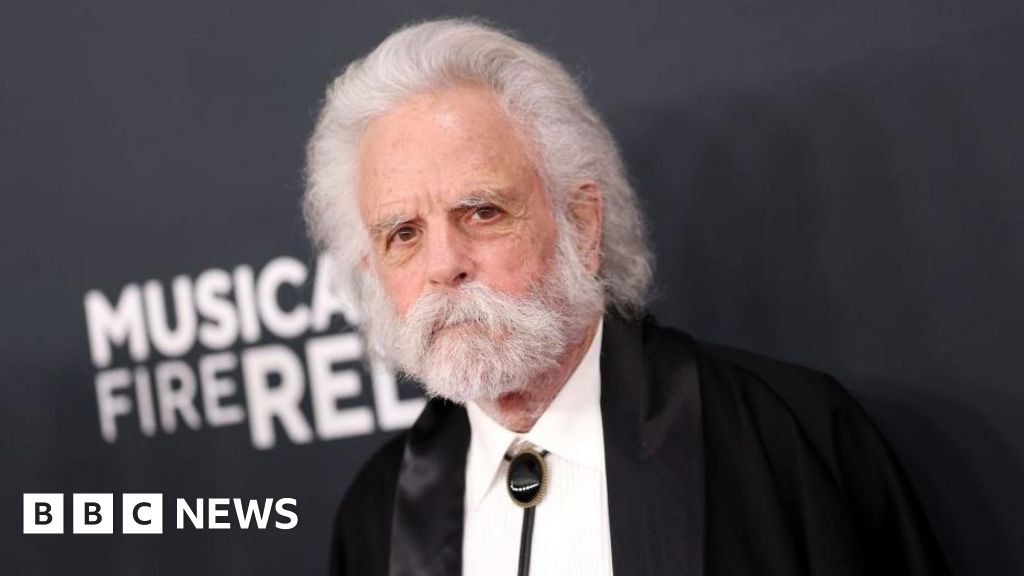
The passing of Bob Weir, co-founder of the iconic Grateful Dead, at age 78, marks a significant moment for the music industry, particularly concerning the valuation and management of enduring intellectual property (IP) assets. For retail investors and finance professionals observing the entertainment sector, such events necessitate a review of future revenue streams and legacy asset protection within artists’ estates. Weir, a cornerstone of the psychedelic rock group, played a crucial role in shaping a musical enterprise recognized for its unique fan engagement and extensive catalog, contributing substantially to its overall music IP value.
His death prompts considerations for the long-term financial trajectory of the Grateful Dead’s brand and its various offshoots, including the active Dead & Company, which recently held a residency. While specific financial metrics for Weir’s personal estate or the band’s IP are not publicly disclosed, the event underscores the importance of intangible asset management in the creative economy.
The Grateful Dead’s legacy includes a 1994 Rock and Roll Hall of Fame induction and a 2007 Grammy Lifetime Achievement Award, reflecting robust brand equity that drives long-term commercial viability.
Investors should analyze the sustained commercial viability of musical IP and the potential impact on related ventures, particularly those focused on historical catalog monetization and live performance continuity within the entertainment sector.
Detailed Analysis
Bob Weir’s passing at 78, a pivotal figure in the Grateful Dead’s six-decade legacy, brings into sharp focus the complex financial architecture surrounding iconic musical acts. The Grateful Dead, established in 1965, transcended mere performance to become a significant cultural and commercial entity, pioneering the ‘jam band’ genre and fostering an intensely loyal fanbase, affectionately known as ‘Dead Heads.’ This loyal following has historically underpinned robust merchandise sales, live performance revenue, and sustained intellectual property (IP) value. Unlike many contemporary artists, the Grateful Dead cultivated a unique relationship with its audience, notably encouraging the taping of live shows, which paradoxically amplified their reach and deepened fan engagement. This strategy fostered a durable ecosystem of cultural capital that continually transforms into financial capital through diverse monetization channels. The band’s induction into the Rock and Roll Hall of Fame in 1994 and a Grammy Lifetime Achievement Award in 2007 underscore the enduring market recognition and formidable brand strength. Such accolades, while not direct financial metrics in themselves, signify a powerful brand equity that consistently translates into long-term revenue streams for rights holders and associated enterprises. Weir’s personal commitment to a ‘three-hundred-year legacy’ for the songbook highlights a strategic, long-term perspective on asset value, emphasizing the importance of stewardship over artistic output as a perpetual income-generating asset for his estate and the broader Grateful Dead corporate entity. This long-term vision is a crucial element for investors considering the enduring value of entertainment IP.
From an investor’s perspective, the death of a co-founder like Bob Weir initiates a crucial re-evaluation of the Grateful Dead’s underlying financial assets and operational continuity. The band’s intellectual property, encompassing its extensive song catalog and distinctive brand imagery, represents a significant intangible asset within the broader entertainment market. While specific valuation metrics for the Grateful Dead’s IP or Bob Weir’s direct stake are not disclosed in the provided information, the longevity of its appeal and deeply dedicated fanbase typically ensure sustained royalty income from streaming and traditional sales, as well as lucrative licensing opportunities across various media. Weir’s pivotal role extended beyond performance; he was integral to the artistic direction and ongoing commercial ventures. His continued involvement in spin-off groups, notably Dead & Company, which held a significant residency at the Las Vegas Sphere in 2024 and 2025, concretely demonstrates active monetization of the brand. This residency, a high-profile commercial engagement, signifies the Grateful Dead’s continued relevance and ability to generate substantial live performance revenue, a critical component of many legacy artists’ financial models. Weir’s resilience, performing even during cancer treatment, further illustrates the commercial drive and professional commitment inherent in these ventures. The key question for finance professionals and retail investors observing this sector revolves around the future stability of these diverse revenue streams post-Weir. This includes assessing the impact on future touring viability for offshoot bands, the potential for new archival releases, and the long-term management of digital rights. The ability of Weir’s estate and the collective Grateful Dead entity to effectively manage and exploit these multifaceted assets, aligning with his expressed vision for a lasting legacy, will be paramount in sustaining the brand’s economic value.
The financial implications of a founding member’s passing within a major band’s ecosystem can be assessed through the lens of similar legacy artists and their intellectual property management. While direct peer comparisons with detailed financial metrics for specific Grateful Dead assets are not disclosed in the source material, the broader music industry offers valuable precedents. Estates of artists such as Michael Jackson, Elvis Presley, and David Bowie have successfully transformed artistic legacies into perpetual revenue generators through meticulous management of music catalogs, licensing agreements, and branded experiences. The Grateful Dead’s unique fan culture, characterized by exceptional engagement, direct-to-consumer merchandising, and a strong sense of community, could provide a durable base for such ventures, potentially insulating it from transient market trends. However, managing the IP of a collective like the Grateful Dead, with multiple co-founders and their respective estates, introduces layers of complexity regarding rights, royalties, and creative control that differ from single-artist estates. Regulatory aspects or policy impacts specifically related to Weir’s passing are not directly applicable beyond standard intellectual property law and estate planning principles. However, the broader trend of institutional investment in music catalogs, where entities like Hipgnosis Songs Fund and private equity firms acquire rights, highlights the recognized long-term value of established music IP. The competitive positioning of the Grateful Dead’s intellectual property relative to other classic rock catalogs will increasingly rely on effective, unified estate management, innovative digital monetization strategies, and continued cultural resonance, ensuring that the brand remains appealing to both existing ‘Dead Heads’ and new generations. This dynamic ecosystem requires ongoing strategic oversight to maximize economic returns.
For retail investors, swing traders, and finance professionals, Bob Weir’s death serves as a critical juncture for understanding both the intrinsic value and the succession challenges within the intellectual property domain of the music industry. Long-term investors with diversified portfolios that include entertainment companies, music rights funds, or even publicly traded concert promoters might assess how such foundational events are factored into their long-term asset valuations and risk assessments. This event highlights the importance of evaluating the durability of a band’s brand beyond its original performing members. Swing traders might observe any short-term sentiment shifts related to Grateful Dead-associated merchandise, potential fluctuations in value for collectible memorabilia, or any public statements from entities like the Las Vegas Sphere regarding future engagements. However, it must be noted that specific, direct market indicators tied to Weir’s passing for publicly traded securities are not detailed in the provided information. Critical operational and financial metrics to monitor include future announcements regarding Dead & Company’s performance schedule, the strategic release of previously uncirculated archival material, and any shifts in the management structure or ownership of the Grateful Dead’s extensive publishing and performance rights. The sustained resilience of the ‘Dead Heads’ community and the strategic foresight employed in managing the band’s vast songbook and brand image will ultimately determine the sustained financial impact and enduring asset value. This event unequivocally underscores the critical importance of robust estate planning for artists whose creative output constitutes significant commercial assets, ensuring that their artistic vision for a lasting legacy aligns seamlessly with ongoing revenue generation and maximizes economic returns for beneficiaries and stakeholders in the entertainment investment landscape.
About the Author