Key Takeaways
Analyze how Iran’s political succession crisis could impact global crude oil prices, emerging markets, and investment strategies in 2026.
Overview
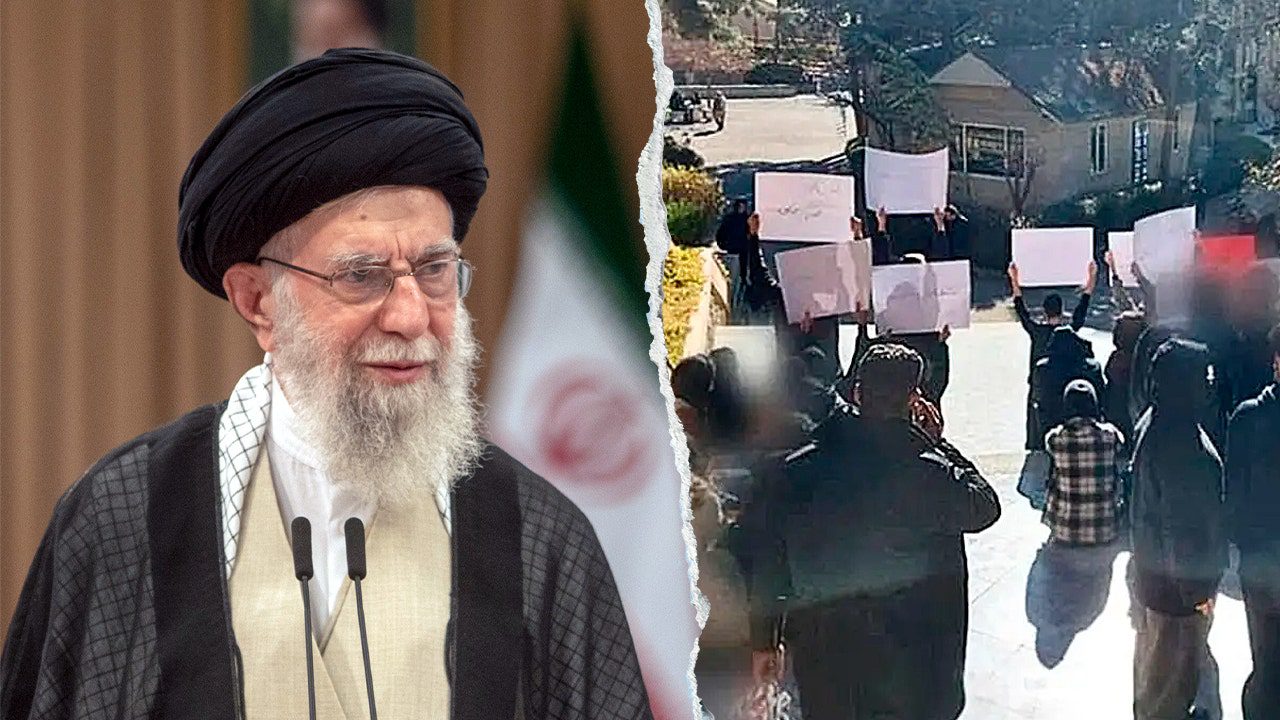
The escalating anti-regime protests and fundamental questions surrounding Supreme Leader Ali Khamenei’s rule in Iran have introduced significant geopolitical uncertainty, a critical factor for global markets. This developing situation directly impacts crude oil prices, emerging market sentiment, and by extension, the broader Stock Market India. Investors face a period of heightened volatility, necessitating careful analysis of potential scenarios.
For Retail Investors, Swing Traders, Long-term Investors, and Finance Professionals, understanding the nuances of a potential regime shift in Iran is paramount. The manner of a collapse—whether through a fractured security apparatus or a managed transition—will dictate the immediate and long-term economic fallout, affecting commodity prices and capital flows globally.
Key considerations from expert analysis include the decisive role of Iran’s security forces (Islamic Revolutionary Guard Corps, Basij militia) in shaping any transition, the logistical hurdles for opposition movements, and the absence of a clear successor. These factors contribute to an unpredictable risk landscape.
This analysis delves into the short-term market reactions, medium-term ripple effects, and long-term structural implications for the Indian equity market, global energy sector, and investor strategies amid the unfolding geopolitical shifts in Iran.
Detailed Analysis
Geopolitical shifts, particularly in energy-rich regions like the Middle East, invariably send ripples through global financial markets. The current unrest in Iran, marked by persistent anti-regime protests and challenges to the durability of Supreme Leader Ali Khamenei’s authority, presents a complex risk matrix for investors worldwide, including those active in the NSE and BSE. Historically, periods of significant political transition in major oil-producing nations have correlated with increased crude oil price volatility, currency fluctuations, and shifts in global capital allocation. The 1979 Iranian Revolution, for instance, triggered the second oil crisis, demonstrating the profound and lasting impact of such events on energy markets and global inflation. Today, while the specific dynamics differ, the principle remains: instability in Iran equates to a geopolitical risk premium being baked into commodity prices and investor sentiment, influencing everything from FII flows into Indian equities to the valuation of energy sector stocks globally.
The critical variable for financial markets is not merely if the Iranian regime collapses, but how it unravels, according to regional experts. A key distinction lies in the role of Iran’s powerful security forces—the Islamic Revolutionary Guard Corps (IRGC), the Basij militia, and the regular military. If these forces remain intact and merely orchestrate a cosmetic transition, akin to a “Maduro-type or Egypt-type model,” the immediate market reaction might be one of guarded relief. This scenario could imply continued, albeit subdued, economic activity, persistent international sanctions, and a limited potential for significant economic liberalization. From an investment perspective, this suggests a prolonged period of suppressed growth but perhaps averted extreme market dislocations in the short term. However, the true risk emerges if these security forces fracture, defect, or refuse orders. This scenario, highlighted by analysts, could lead to widespread internal conflict, significant disruptions to oil production and export capabilities, and a sharp spike in global crude oil prices. Such an event would undoubtedly trigger a flight to safety, impacting emerging market currencies like the INR and potentially leading to substantial FII outflows from markets like the Sensex and Nifty, as investors de-risk their portfolios.
The internal and external dynamics of Iran’s opposition further complicate the market outlook. Experts note the logistical challenge faced by the domestic opposition in translating street protests into organized political power, making a swift, stable transition improbable. This prolongs uncertainty, which markets inherently dislike. Concurrently, various exiled opposition figures, such as Reza Pahlavi and Maryam Rajavi of the Mujahedin-e Khalq (MEK), present alternative visions for Iran’s future. While Pahlavi advocates for a secular, democratic Iran chosen by the people and Rajavi proposes a provisional government leading to free elections, their ability to unify disparate factions and exert control remains untested. From a financial analysis perspective, a prolonged power vacuum or a highly fragmented political landscape following a collapse would sustain high levels of geopolitical risk. This would translate into elevated crude oil futures, increased demand for safe-haven assets like gold and the U.S. dollar, and a general aversion to riskier assets, including those in the Indian equity market. Conversely, a clear path towards a stable, reform-oriented government, even if emerging from initial turmoil, could eventually unlock significant investment opportunities in a post-sanctions Iran, though this remains a distant prospect.
For Indian investors and finance professionals, the unfolding situation in Iran necessitates a robust risk management strategy and a vigilant approach to market monitoring. Retail Investors and Swing Traders should pay close attention to crude oil price movements, as India’s significant oil import dependency makes it highly vulnerable to supply shocks. An increase in Brent crude prices directly impacts India’s current account deficit, inflation, and ultimately, corporate earnings in sectors reliant on energy. Volatility in the INR/USD exchange rate is also a direct consequence of geopolitical instability and capital flight, affecting companies with foreign currency exposure. For Long-term Investors and Finance Professionals, the implications extend to portfolio construction and sector allocation. The defense sector, globally, might see sustained interest, while the oil and gas sector could experience earnings volatility. Consideration of hedging strategies against geopolitical risk and re-evaluating exposure to broader emerging market funds are prudent steps. Metrics to monitor include crude oil price charts, INR depreciation against the USD, India VIX (volatility index) for sentiment, and FII/DII investment flow data. In the long term, while a stable, democratic Iran could present new investment avenues, the immediate future points to persistent geopolitical headwinds that require a data-driven, analytical approach to navigate the Indian and global investment landscape effectively.
About the Author