Key Takeaways
Minnesota’s multi-billion-dollar fraud exposes systemic governance risks. Learn its impact on investor confidence, capital allocation, and market stability for 2026.
Overview
The unfolding Minnesota fraud scandal, exposing multi-billion-dollar taxpayer ripoffs, signals a critical inflection point for assessing governmental governance risk. Federal investigations by nine agencies, including the FBI and Department of Justice, underscore a significant breach of public trust, directly impacting investor sentiment.
For Retail Investors, Swing Traders, Long-term Investors, and Finance Professionals, such widespread governmental fraud serves as a crucial indicator of systemic risk. While not directly tied to specific stock market instruments like the Nifty or Sensex, it influences broader investor confidence and long-term capital allocation strategies in the Investment landscape.
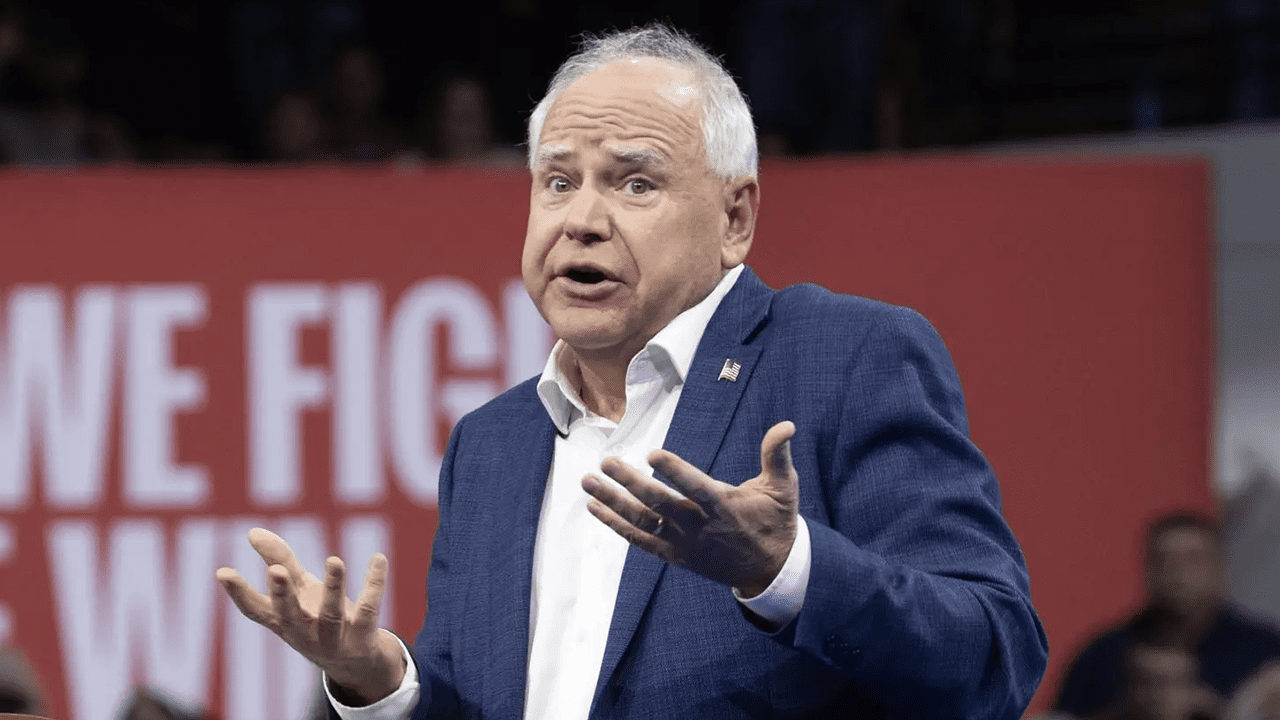
Key data includes multi-billion-dollar alleged misallocations from child nutrition and healthcare programs, with warnings reportedly issued to Governor Tim Walz as far back as 2019. Walz has since abandoned his re-election bid.
This financial analysis delves into the fiscal implications, potential federal charges, and what these developments signify for escalating governance risk for 2026 and beyond, influencing global market stability and trading decisions.
Detailed Analysis
The emergence of the Minnesota fraud scandal as a multi-billion-dollar fiscal drain presents a stark illustration of public sector governance vulnerabilities, resonating deeply within the investment community. For finance professionals assessing global markets or contemplating long-term investments that interface with governmental entities, this situation underscores potential challenges in regulatory environments where oversight mechanisms may be compromised. The timeline of alleged warnings, extending back to Governor Tim Walz’s first term in 2019, indicates a sustained period of unaddressed irregularities. This reflects a critical breakdown in risk management and accountability within public administration. Such systemic failures, even in non-traditional market contexts, can ripple through broader economic perceptions, affecting long-term investment viability and economic predictability for entities engaged in or reliant on public sector operations.
Detailed allegations against Governor Walz include deliberately refusing to expose significant thefts and allegedly launching aggressive measures to obstruct legal scrutiny. State workers reportedly blamed Walz, alleging retaliation against whistleblowers and schemes to discredit fraud reports. If substantiated, these actions transcend administrative inefficiency, moving into potential criminal behavior. The extensive federal investigation, involving agencies such as the FBI and Department of Justice, assesses whether Walz could face charges under federal statutes like 18 USC 371 for conspiracy to defraud the government, various obstruction of justice laws, 18 USC 2 for aiding and abetting (encompassing the “willful blindness doctrine”), and 18 USC 3 for accessory after the fact. The potential application of these statutes indicates a severe erosion of legal and ethical governance standards, prompting investors to consider the heightened jurisdictional risk of operating in environments exhibiting such profound institutional weaknesses.
The Minnesota fraud scandal offers a critical comparative analysis regarding governance benchmarks and investor protection, even without direct corporate peers. The alleged “willful blindness doctrine” for a public official mirrors concerns in corporate governance where executives might intentionally ignore illicit activities, significantly impacting shareholder value and market trust. Such systemic failures can erode confidence in the rule of law and administrative stability, foundational elements for a healthy investment climate. The reported motive of securing votes in exchange for allowing fraud, described as a “quid pro quo” with “alternate currency” of electoral support, illustrates how political considerations can override fiscal prudence and legal compliance. Recently uncovered audio recordings allegedly showing Minnesota Attorney General Keith Ellison capitulating to pressure from individuals later convicted of fraud further compound concerns about the integrity of key public institutions, presenting a significant red flag for investors evaluating jurisdictional risk. [Suggested Matrix Table: Public vs. Corporate Governance Risk Indicators comparing accountability mechanisms, transparency, and investor trust impacts.]
For Retail Investors, understanding the broader implications of governance failures in public administration is crucial for diversified portfolio planning and long-term risk assessment, as these scandals can indirectly impact economic stability and investor confidence within the Stock Market India ecosystem. Swing Traders might observe increased market sensitivity to news concerning political stability or major government investigations, particularly if they could affect regional economic outlooks or public sector contracts. Long-term Investors and Finance Professionals should view this situation as a powerful reminder of the imperative for robust due diligence, extending to the quality of governance and fiscal transparency within governmental bodies, as these factors significantly influence a region’s attractiveness for sustained capital deployment. Key metrics to monitor include the progress of federal investigations, any ensuing indictments, and legislative or policy reforms aimed at strengthening fiscal oversight. The scandal underscores that strong institutional integrity and accountability are foundational pillars for fostering a predictable and trustworthy investment environment, irrespective of the specific market instruments involved, directly influencing long-term investment and trading strategies for 2026.
About the Author