Key Takeaways
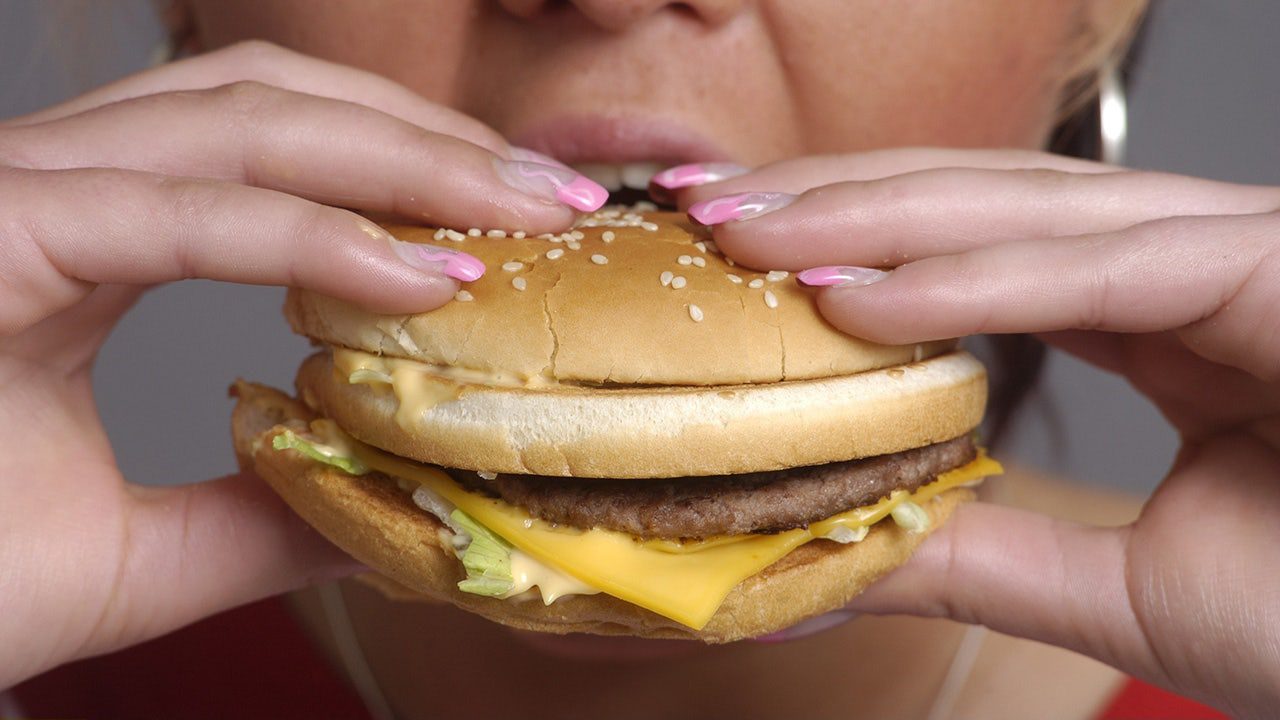
McDonald’s 2026 strategy targets traffic growth via bigger burgers & nostalgia. Analyze market impact, investor implications for QSR stocks & India.
Overview
Global fast-food giant McDonald’s recently unveiled its ambitious 2026 strategy, focusing on customer traffic growth through distinct initiatives: bigger burgers and a powerful appeal to nostalgia. This strategic pivot signals a proactive move to fortify its competitive stance within the quick-service restaurant (QSR) sector, globally and impacting Stock Market India.
For retail investors, swing traders, and finance professionals, this mandates close attention to potential shifts in market share and revenue trajectories across the QSR landscape. Understanding these strategic adjustments is crucial for navigating investment decisions within the dynamic global fast-food industry.
The strategy clearly aims to drive volume and foster loyalty by emphasizing enhanced product size for perceived value and leveraging classic brand elements. While specific traffic boost metrics were not disclosed, the intent to re-engage consumers is evident.
This article provides a detailed financial analysis, examining potential short-term market reactions, medium-term ripple effects, and long-term investor implications for the broader investment landscape, including any impact on the NSE and BSE.
Key Data
| Strategic Focus Area | McDonald’s 2026 Strategy | Potential Competitor Response |
|---|---|---|
| Value Proposition | “Bigger burgers” (perceived value) | Mirror offerings or differentiate via service/value menus |
| Product Innovation | New/enhanced larger signature items | Healthier options or diverse menu expansions |
| Brand Engagement | “Nostalgia” (reintroducing classics, evoking memories) | Digital experience enhancements, loyalty programs |
Detailed Analysis
The global quick-service restaurant (QSR) sector continually adapts to evolving consumer palates, macroeconomic shifts, and intense competition. Historically, market leaders like McDonald’s navigated various phases, from value menus to healthier options and sophisticated digital integration. The current strategic emphasis on “bigger burgers” and “nostalgia” for its 2026 plan signals a broader industry pivot towards enhancing perceived value and deepening emotional brand connections. Consumers increasingly seek both indulgence and comfort, pushing QSR giants beyond transactional sales to curate memorable dining experiences. This strategic direction by McDonald’s follows a period where widespread shifts in eating habits made customer traffic a critical battleground for market share. Adapting to these nuanced demands is paramount for sustainable growth within the dynamic QSR landscape, significantly influencing current affairs and business news across India and global markets.
McDonald’s dual strategy of “bigger burgers” and “nostalgia” directly targets core consumer psychology and prevalent market demand. “Bigger burgers” addresses a desire for greater value and a more substantial meal; larger portions often imply a premium offering or better overall value. This could manifest through new, larger signature items or enhanced popular existing choices. Concurrently, “nostalgia” taps into powerful emotional connections consumers hold with the brand’s extensive history. This often involves reintroducing beloved discontinued items, highlighting classic menu staples through strategic marketing, or evoking fond memories of past experiences. By combining novelty with familiarity, the company aims to create a compelling offering that increases customer traffic and fosters brand loyalty, both critical elements for robust financial performance and competitive positioning, particularly within the Indian fast-food market.
While elements of McDonald’s strategic direction are not entirely novel, its designation as a core 2026 strategy significantly diverges from typical competitive tactics. Many QSRs offer limited-time large portions or reintroduce past favorites. However, McDonald’s integrated, sustained effort extends beyond isolated promotions. This proactive move could exert considerable pressure on rival QSRs globally, including those listed on the NSE and BSE. Competitors may choose to mirror these offerings, escalating portion wars, or differentiate themselves through superior service, an expanded range of healthier options, or enhanced digital engagement. The ultimate success of McDonald’s 2026 strategy will be measured by its capacity to attract new customers and drive repeat visits, potentially recalibrating market share across the QSR sector. Investors should monitor how competitors respond to this sustained focus on core product appeal and emotional branding, as illustrated in the QSR Competitor Strategic Focus matrix previously presented.
For investors, McDonald’s 2026 strategy presents both tangible opportunities and discernible risks. Long-term investors should thoroughly assess the company’s capacity for sustainable traffic growth and enhanced brand equity, which could yield stable revenue streams and consistent dividend appreciation. Swing traders might identify short-term opportunities around forthcoming quarterly earnings reports, especially if reported customer traffic or sales deviate significantly from prevailing analyst expectations. Key risks include potential execution challenges in rolling out these initiatives, rapidly evolving consumer tastes that could render the strategy less effective, and aggressive responses from well-resourced competitors. Specific metrics to monitor include reported customer traffic figures, average check size, and adoption rates for new menu items. Investors must closely track McDonald’s official communications and broader industry trends to make informed investment decisions within the Stock Market India context and beyond. This ongoing innovation underscores the dynamic nature of the fast-food sector, perpetually influencing investment landscapes globally.
About the Author