Key Takeaways
Iran’s protests spark economic instability. Analyze currency depreciation, inflation trends, and geopolitical risks for global markets & Indian investors in 2026.
Overview
Iran’s escalating protest movement, fueled by a sudden depreciation in the national currency, signals a significant increase in geopolitical risk and economic uncertainty for global investors in 2026. This internal turmoil, compounded by a dire economic situation and past conflicts, challenges regional stability.
For Retail Investors, Swing Traders, Long-term Investors, and Finance Professionals, understanding the multifaceted impact of this unrest is crucial. The confluence of domestic economic grievances and government crackdowns creates an environment of extreme volatility and information asymmetry, directly influencing investment decisions across global and Indian markets.
Key indicators, though specific numerical data remains undisclosed due to communication blackouts, include widespread currency depreciation, mounting consumer price inflation, and concerning trends in GDP growth as previously reported. These factors collectively highlight a worsening economic landscape.
This financial analysis delves into short-term market reactions, medium-term policy uncertainties, and long-term investment climate shifts, offering insights for navigating heightened risks within the broader Stock Market India and international investment spheres.
Detailed Analysis
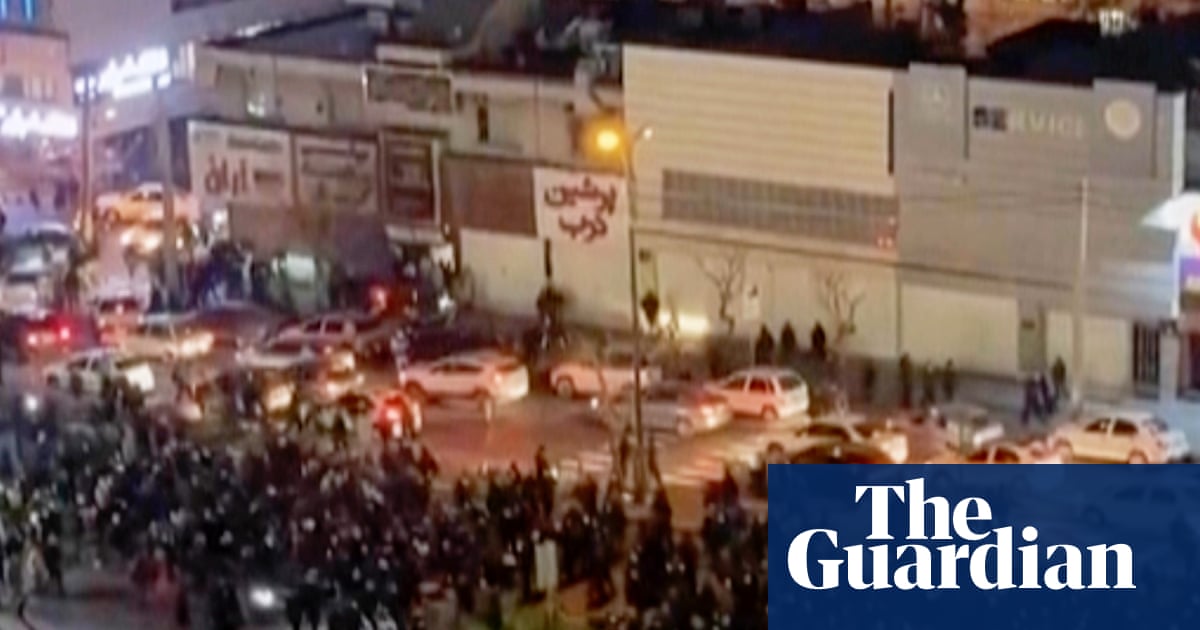
The recent surge in protests across Iran, initially triggered by a sudden and significant depreciation in the country’s currency on December 28th, represents a critical juncture for regional economic stability. This immediate catalyst quickly amplified into widespread demands for political reform, underscoring deep-seated economic grievances that have been festering. The regime’s heightened vulnerability, a stark contrast to the 2022-2023 Mahsa Amini rallies, primarily stems from the prevailing dire economic situation and the lingering aftermath of last year’s war with Israel and the US. These factors have created a fertile ground for dissent, signaling increased risk for financial analysis and investment decisions in the region.
Ayatollah Ali Khamenei, Iran’s supreme leader, has adopted an uncompromising stance, vowing authorities will “not back down” and branding protesters as “vandals” and “saboteurs,” while accusing them of working on behalf of foreign agendas, specifically referencing Donald Trump’s threats of American intervention. This rhetoric intensifies the geopolitical tensions surrounding Iran, influencing how international markets perceive its stability. Crucially, the introduction of a nationwide internet shutdown on Thursday severely hampered information flow, plunging financial observers into an opaque environment where real-time assessment of economic and social impact is nearly impossible. This restriction on data further exacerbates market uncertainty, posing significant challenges for finance professionals relying on transparent information for prudent investment strategies.
Detailed financial analysis reveals several critical, albeit largely unquantified, economic metrics at play. The initial trigger, a “sudden depreciation in the value of the country’s currency,” is a paramount indicator for foreign exchange traders and international investors, signaling rapidly eroding confidence in the national economy. Accompanying this is the implicit impact on “Iran’s annual consumer price inflation rate” and “Iran’s GDP growth,” two metrics that, while specific figures are not available in the source, were significant enough to warrant graphical representation previously. High inflation typically erodes purchasing power, stifles consumer demand, and discourages both domestic and foreign investment, while stagnant or negative GDP growth signifies recessionary pressures and a contraction of economic activity.
The nationwide internet shutdown is a strategic disruption with profound financial implications. For businesses operating within or linked to Iran, it means severe impediments to communication, operational continuity, and financial transactions, escalating operational risks. Finance professionals face an arduous task in assessing economic fundamentals and market sentiment amidst such an information vacuum. Moreover, the head of Iran’s judiciary, Gholamhossein Mohseni Ejei, has threatened “decisive, maximum and without any legal leniency” consequences for demonstrators. This authoritarian response not only deepens humanitarian concerns but also signals a high-risk environment for capital, potentially leading to capital flight and brain drain, which undermine the nation’s long-term economic development trajectory. The regime’s accusations of external interference, involving alleged Israeli Mossad agents and US involvement, further complicate the geopolitical landscape, introducing an added layer of risk for global investment strategies, particularly within the energy and commodity sectors.
In a comparative analysis, Iran’s current state of economic and political instability draws parallels with other emerging markets that have witnessed widespread civil unrest and governmental crackdowns. Countries like those in the Middle East and North Africa during the Arab Spring experienced similar scenarios where internet shutdowns became tools of state control, invariably leading to intensified investor uncertainty and severely impeding real-time risk assessments. The critical distinction for Iran this time is that authorities appear “more vulnerable,” primarily due to the confluence of a “dire economic situation” and the “aftermath of last year’s war with Israel and the US.” This suggests deeper structural economic weaknesses compared to previous protest cycles, indicating a more entrenched crisis. The ripple effects of Iran’s instability can extend significantly across regional and global markets. As a key player in the Middle East, its internal turmoil could impact neighbouring economies, disrupt critical trade routes, and elevate investor risk perception for the broader region. While the source does not detail oil market impacts, a prolonged crisis in Iran typically introduces a geopolitical risk premium on global crude oil prices, affecting global inflation and energy-dependent economies. The influence of external figures such as exiled Reza Pahlavi and former US President Donald Trump’s pronouncements also adds a layer of complexity to the geopolitical risk assessment, directly impacting foreign direct investment (FDI) prospects and the perceived creditworthiness of the nation. Market reactions to such events typically include capital outflows, further currency devaluation, and a significant repricing of sovereign risk, making fundamental valuation challenging in an already opaque market, a key consideration for investment and trading in emerging market assets.
For Retail Investors and Swing Traders, the current situation in Iran presents an environment of extreme volatility and elevated risk. Direct investment in Iranian assets is highly improbable for Indian retail investors; however, indirect exposure through global market fluctuations, particularly in crude oil and emerging market indices, requires careful monitoring. Swing traders might identify opportunities arising from geopolitical volatility, but the severe information asymmetry caused by the internet blackout makes informed trading decisions exceptionally challenging and highly speculative. Prudence dictates extreme caution, focusing on broad market indicators such as the Sensex and Nifty’s reaction to global risk-off sentiments, rather than attempting to capitalize on specific, illiquid Iran-related news.
Long-term Investors and Finance Professionals must reassess geopolitical risk premiums across their portfolios, particularly those with exposure to emerging markets, global energy sectors, or complex supply chain dependencies in the Middle East. The persistence and intensity of the protests, coupled with the government’s response, will dictate the trajectory of risk. Key metrics to monitor, once available, include currency stability, updated inflation data, and GDP growth reports, alongside any shifts in international sanctions or diplomatic engagements that could either stabilize or further destabilize the economic environment. The risk factors are substantial: prolonged internal conflict, an extended internet shutdown, potential for intensified international rhetoric, and further economic sanctions could lead to deeper currency depreciation, hyperinflation, and a complete erosion of investor confidence, with cascading regional impacts. While highly speculative, any future political transition towards stability, however distant, could unlock significant economic potential given Iran’s strategic geographic location and abundant natural resources. However, this remains a high-risk, long-term scenario. In the immediate and medium term, investors should closely track international crude oil benchmarks (Brent, WTI), global shipping indices, and broader emerging market sovereign debt and equity performance as proxies for global risk sentiment. The coming weeks will be pivotal in shaping the near-term economic outlook and investment climate, requiring diligent, data-driven financial analysis despite the prevailing information constraints.
About the Author