Key Takeaways
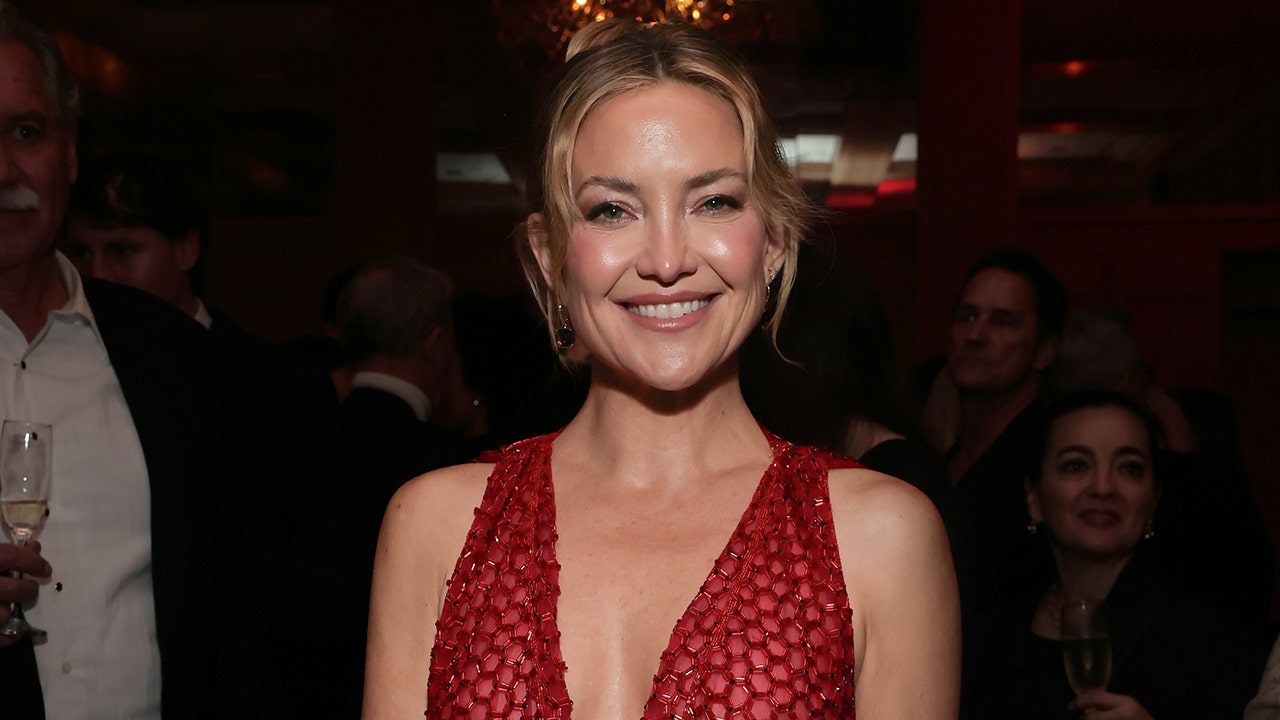
Kate Hudson addresses backlash for ‘Song Sung Blue’ while earning Golden Globe nod. Explore the real-life family’s claims vs. critical praise and industry context.
Overview
Hollywood star Kate Hudson finds herself at the center of a swirling controversy surrounding her latest film, “Song Sung Blue.” Despite garnering a prestigious Golden Globe nomination for her compelling performance, the movie is facing significant backlash from the real-life family members it portrays, highlighting the intricate dance between artistic interpretation and personal truth.
For entertainment enthusiasts, pop culture fans, and movie lovers, this situation offers a fascinating glimpse into the challenges faced by filmmakers and actors when adapting real-life narratives. It sparks a critical conversation about creative license versus factual accuracy, especially when the subjects’ descendants voice strong objections to their portrayal.
While the film has achieved “critical success,” Mike Sardina’s children, Michael Jr. and Angelina, claim they were “purposely cut out” of the story despite receiving $30,000 for consultation. They assert the movie is “all lies,” a stark contrast to the praise it has received.
As awards season heats up and the film’s cultural impact unfolds, this article will delve into the conflicting narratives, the industry context of biopics, and what this celebrity news means for the ongoing debate on truth in storytelling, keeping fans hooked.
Detailed Analysis
Hollywood has long been captivated by transforming real-life stories into captivating cinematic experiences, often bringing remarkable personal journeys to the silver screen. “Song Sung Blue,” featuring the formidable talents of Kate Hudson and Hugh Jackman, endeavors to chronicle the unique story of the Neil Diamond tribute band duo, Lightning & Thunder. While these adaptations frequently earn critical acclaim and audience adoration, they just as often ignite passionate debates, particularly concerning the delicate balance between artistic interpretation and historical accuracy, especially when living family members are directly involved in the narrative.
The film’s December 2025 release quickly established its critical footprint, culminating in Kate Hudson’s well-deserved Golden Globe nomination for her poignant portrayal of Claire “Thunder” Sardina. This recognition underscores the film’s artistic merits. Yet, beneath the glimmer of awards season, a more intricate and contentious narrative has emerged, raising questions about the film’s fidelity to real events and its emotional impact on the actual family members whose lives inspired the movie. This unfolding drama adds a compelling layer to the film’s burgeoning pop culture conversation.
The heart of the controversy originates from Michael Jr. and Angelina, the children of the real-life Mike “Lightning” Sardina. In a December 2025 interview with the Daily Mail, they vociferously expressed their profound disappointment with “Song Sung Blue.” Despite having been compensated $30,000 for their consultation during the film’s production, they contend that their input and, crucially, their father’s authentic story, were fundamentally misrepresented. Mike Jr. asserted that he felt “purposely cut out of the film,” claiming that his significant and prevalent role in his father’s life was entirely overlooked by actors Hudson and Jackman during promotional interviews. Angelina reinforced this sentiment, labeling the movie a “lie” even as she acknowledged it told “a beautiful story.” This sharp contrast with the film’s “critical success” creates a compelling tension that resonates throughout the entertainment landscape. In a different light, Claire Sardina, whom Kate Hudson portrays, alongside her children Dayna and Rachel from a previous marriage, has expressed unwavering support for the film, emphasizing her satisfaction with the final product. Kate Hudson, maintaining a diplomatic stance, chose not to directly address Mike Jr.’s specific allegations. Instead, she respectfully deferred to the filmmakers, reiterating her immense happiness that Claire, the woman she embodied on screen, was pleased with the movie, further highlighting the conflicting perspectives at play.
This is hardly a new storyline in Hollywood; biopics frequently grapple with the “truth versus drama” predicament. Renowned films such as “Bohemian Rhapsody” or “The Social Network” have previously navigated criticisms from their real-life subjects or their families regarding perceived factual inaccuracies or character embellishments. The entertainment industry consistently endeavors to balance the necessity of creative license with the imperative to craft a compelling narrative, a process that inherently risks clashing with the deeply personal and often unvarnished truths experienced by individuals. The documented $30,000 consultation fee paid to Mike Jr. and Angelina epitomizes a common industry practice to engage and compensate real-life subjects, yet, as this case demonstrates, it emphatically does not guarantee a consensus or alignment on the final artistic outcome. This particular situation profoundly underscores the precarious tightrope filmmakers must walk when adapting highly personal histories, where a carefully chosen creative interpretation can, inadvertently or otherwise, be perceived as a factual betrayal by those who lived through the events depicted.
For dedicated pop culture enthusiasts and avid movie lovers, the unfolding drama surrounding “Song Sung Blue” offers a truly fascinating window into the nuanced challenges inherent in celebrity life and the art of storytelling. This compelling scenario reignites a crucial discussion within the industry and among audiences: How extensive should the creative freedom of filmmakers be when they undertake the delicate task of adapting true stories, particularly when those narratives directly impact the lives and legacies of living individuals and their families? While Kate Hudson’s acclaimed Golden Globe nomination undoubtedly validates her exceptional performance and the film’s overall critical success, the heartfelt plea from the real-life family for “retribution” powerfully resonates with a broader call for authenticity in cinematic portrayals. Keep a keen eye on the impending awards season: will this ongoing controversy exert any noticeable influence on the film’s momentum or its public reception? This compelling narrative serves as a potent case study on the intricate interplay between art, personal memory, and the profound cultural impact of cinematic interpretations, ensuring “Song Sung Blue” remains a prominent talking point in the vibrant landscape of Hollywood buzz.
About the Author