Key Takeaways
Dive into Park Chan-wook’s *No Other Choice* movie, a blistering satire on corporate culture and the male ego. Discover its sharp wit and cultural impact for movie lovers.
Overview
Get ready for a cinematic ride as Park Chan-wook’s latest film, No Other Choice, emerges as a blistering satire on corporate culture and the deeply rooted male ego. Starring acclaimed actors Lee Byung-hun and Son Ye-jin, this thought-provoking picture delivers a sharp, dark comedy for movie lovers.
This film is a compelling watch for entertainment enthusiasts, tapping into trending discussions around workplace dynamics and evolving societal expectations. Its narrative offers a fresh, unapologetic perspective within today’s pop culture landscape, making it highly relevant.
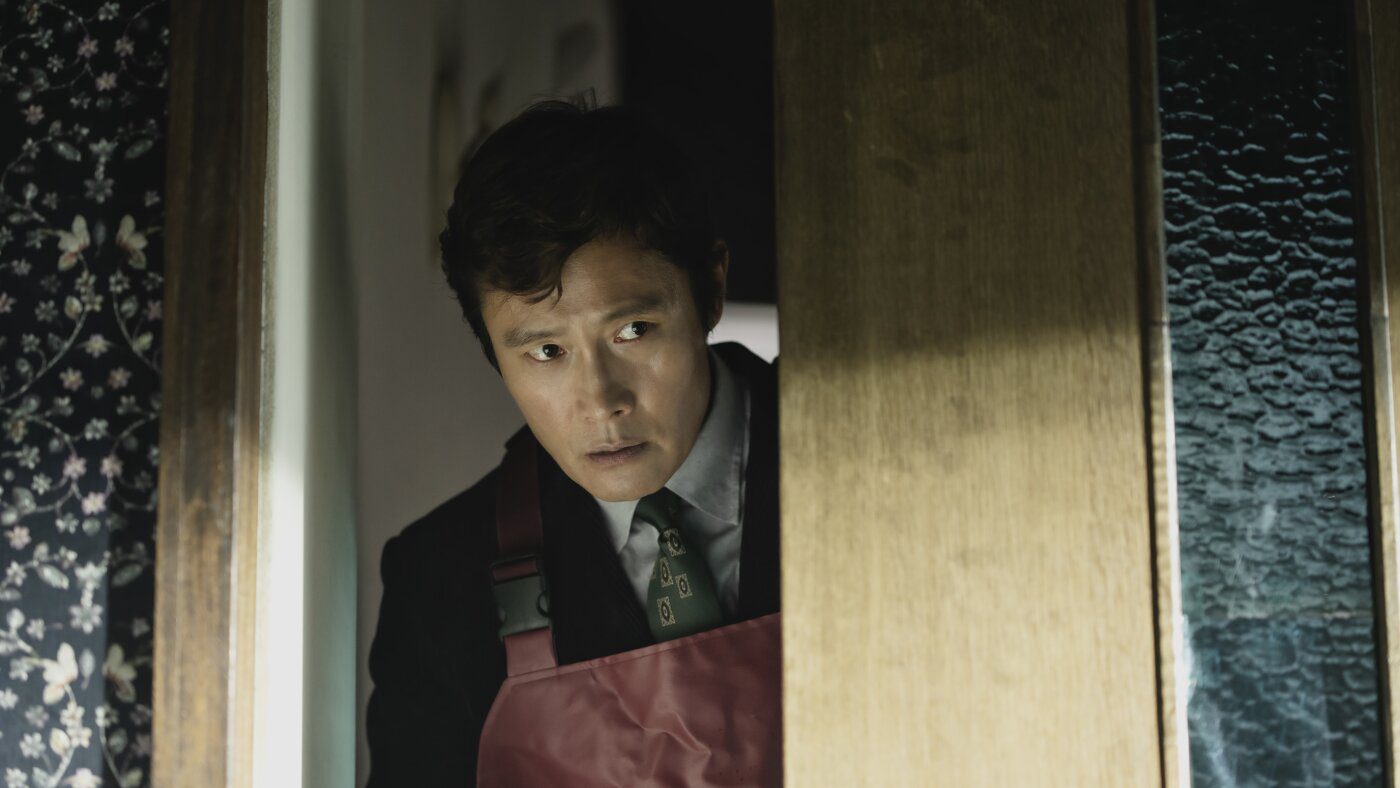
The story follows Man-su (Lee Byung-hun), a 25-year veteran of a paper factory, whose life unravels post-termination. His wife Miri (Son Ye-jin) provides a stark contrast with her adaptability amidst his spiraling desperation.
As audiences engage with its sharp wit and compelling visuals, *No Other Choice movie* is set to ignite significant conversations about human nature and corporate absurdity within global entertainment, including Entertainment India.
Detailed Analysis
Park Chan-wook isn’t just a director; he’s a cinematic force, a name that instantly conjures images of meticulously crafted, psychologically dense narratives. Think of his iconic ‘Vengeance Trilogy’ – *Sympathy for Mr. Vengeance*, *Oldboy*, and *Lady Vengeance* – films that etched themselves into the minds of movie lovers worldwide with their unflinching exploration of revenge, morality, and human darkness. Then there’s the masterful *Decision to Leave*, a critically acclaimed work that shared a thematic thread of crime and complex interpersonal dynamics, earning him Best Director at Cannes. Park consistently challenges audiences, pushing boundaries with his distinctive narrative style and meticulous visual storytelling. His films aren’t just stories; they’re experiences, often delving into the darker facets of human nature, societal pressures, and the ambiguous spaces between right and wrong.
With *No Other Choice*, the celebrated Korean director takes a fascinating turn, turning his signature lens to a biting social commentary. He wraps a scathing critique of modern corporate life and the stubbornly persistent male ego within a deliciously pulpy, suspenseful package. In an entertainment landscape often saturated with superficial celebrity news or quick-hit pop culture trends, a film like *No Other Choice* feels like a breath of fresh air. It’s a picture that provokes deep thought while remaining thoroughly engaging, a true win for discerning movie lovers and pop culture fans seeking substance amidst the spectacle.
This film arrives at a particularly poignant moment. Discussions about workplace identity, burnout, and toxic masculinity aren’t just trending hashtags; they’re prevalent across social media, mainstream discourse, and water cooler conversations globally. *No Other Choice* taps directly into this zeitgeist, making it incredibly relevant for a global audience, including the discerning entertainment enthusiasts in India who appreciate cinema that reflects contemporary societal anxieties. It’s a reminder that great storytelling, regardless of origin, can offer a mirror to universal human experiences, creating a buzz that extends far beyond a single film festival or country. This is Korean cinema at its sharpest, showcasing how powerful storytelling can transcend cultural barriers and spark global conversations, making it a compelling entry in the broader entertainment news cycle.
The film’s exploration of identity tied to work and the astonishing lengths individuals will go to avoid personal change offers a timely perspective. It challenges viewers to question their own relationship with their careers and how much of their self-worth is intertwined with professional success. This isn’t just a film; it’s a conversation starter, perfect for dissecting with friends after a late-night watch, sparking debates about modern corporate absurdity and the sometimes-comical stubbornness of the human spirit.
The narrative of *No Other Choice* anchors itself firmly around Man-su, brought to brilliant life by the acclaimed Lee Byung-hun. His character begins as the quintessential corporate drone, confidently believing he possesses “the perfect job, perfect house, perfect family.” It’s a meticulously constructed facade that crumbles dramatically and unexpectedly with his sudden termination. The film then painstakingly details his subsequent descent into a series of “dehumanizing interviews” within his beloved paper industry, a stark and chilling portrayal of the cold, impersonal nature of modern corporate structures. This personal crisis is expertly contrasted with the pragmatic resourcefulness of his wife, Miri (portrayed by the equally talented Son Ye-jin), who swiftly adapts to their changing financial situation with an admirable, almost ruthless, efficiency.
However, Man-su clings stubbornly to his past identity, equating his years of service and his role as a paper factory veteran with his very essence as a man and a breadwinner. This “intractability of the male ego” becomes the film’s central, and most delicious, satirical target. It manifests in his increasingly ludicrous decision-making: rather than embracing personal growth, seeking new skills, or simply going to therapy (a running, darkly humorous gag), he opts to eliminate rival job candidates and even his potential new boss. The reviewer aptly points out this absurdity, noting that Man-su “unthinkingly channels the energy that he could devote to personal and professional growth into planning and executing a series of ludicrously sloppy murders.” It’s a comedic spiral into depravity, yet infused with an underlying, uncomfortable truth.
Visually, the film is an absolute feast for cinema aficionados, showcasing Park Chan-wook’s legendary directorial flair. It deliberately employs “Hitchcockian” cinematic homages, utilizing “cross-fades, reverse-angles and jump cuts” that don’t just add suspense but also serve as a nostalgic, loving nod to classic filmmaking. This meticulous attention to craft offers a “lushness” that feels like “pure cinema, goddammit,” a refreshing departure from many contemporary films that often lean towards visual austerity. These stylistic choices elevate the viewing experience, making it not just a story but an artistic statement, a vibrant piece of global entertainment that movie lovers will dissect and discuss long after the credits roll. The film’s unique aesthetic contributes significantly to its cultural impact, solidifying its place as a noteworthy entry for entertainment enthusiasts.
In the broader entertainment landscape, *No Other Choice* doesn’t just join the conversation; it elevates it. It stands out amongst recent releases, both from Hollywood and independent cinema, that attempt to critique societal norms. While many films try their hand at corporate satire or explore the nuances of the male ego, Park Chan-wook’s distinct blend of dark humor and visually dynamic storytelling sets this Korean cinema gem apart from typical fare. Unlike overtly preachy social dramas, which can sometimes feel heavy-handed, this film integrates its critique seamlessly within a “satisfyingly pulpy” narrative, ensuring entertainment value never takes a backseat to its profound message. This makes it a standout piece of Hollywood-level storytelling from the vibrant world of Korean entertainment, cementing its place in pop culture discussions.
The director’s clever inclusion of “winking jokes and callbacks” is a treat for observant movie lovers. These aren’t just throwaway gags; they add layers of meaning and invite repeat viewings, rewarding those who pay close attention. Specific visual cues, like the “beautifully ugly blend of traditional French-style architecture with lumpy Brutalist touches” of Man-su’s family home, are not merely aesthetic choices. They are subtle narrative devices, reflecting the conflicted identity and decaying grandeur that the protagonist desperately clings to. These intricate details enrich the viewing experience, distinguishing *No Other Choice* from more straightforward productions and fostering the kind of robust discussion that pop culture fans crave in their entertainment.
Consider its place alongside other notable satires. While films like *Parasite* (another Korean masterpiece) critiqued class disparities with gripping tension, or American corporate satires like *Office Space* provided lighthearted jabs, *No Other Choice* occupies a unique space. It marries the psychological depth of Park’s earlier works with a comedic absurdity that borders on the grotesque, making it a powerful statement on modern life. The repeated motif of characters attempting to dodge responsibility by invoking the film’s title, “No Other Choice,” adds another layer of ironic commentary, challenging viewers to consider the real choices people make under pressure. This thematic richness further solidifies the film’s standing as a thought-provoking piece that influences the conversation around global entertainment, especially for Entertainment India audiences looking for something beyond the usual.
[Suggested Matrix Table: Comparison of satirical film elements, critical reception, and cultural impact for recent corporate satires from Hollywood and Korean cinema]
For entertainment enthusiasts, pop culture fans, and movie lovers in India and worldwide, *No Other Choice* offers far more than just a suspenseful plot. It provides a darkly comedic mirror to modern anxieties, reflecting back themes that resonate deeply in our increasingly complex world. The film’s core concerns – corporate disposability, the universal struggle for identity beyond one’s profession, and the often-comedic absurdity of human stubbornness – are globally relatable, making it relevant far beyond its South Korean origins. This is a story that speaks to everyone who’s ever felt like a cog in the machine or wondered about their purpose outside of work, proving that compelling storytelling truly has “no other choice” but to transcend borders.
What makes this film particularly brilliant is its clever balance: it delivers a “blistering anti-capitalist screed” with a surprisingly “charming” directorial approach. This ensures that the heavy themes never overshadow the sheer entertainment value, allowing audiences to laugh even as they ponder profound truths. The message is crystal clear, yet delivered with a sly grin: while systemic pressures certainly exist and can be overwhelming, ultimately, “the blood stays resolutely on Man-su’s hands.” This emphasis on personal accountability, wrapped in a darkly comedic observation that “men would rather embark upon a bloody murder spree than go to therapy,” is both a poignant and hilariously accurate takeaway. It’s the kind of sharp social commentary that stays with you, sparking lively debates among friends long after the credits roll.
For those eager to dive into the next big thing in global cinema, *No Other Choice* is a must-see. Its unique blend of satire, suspense, and a surprisingly warm appreciation for the craft of cinema ensures it will become a significant talking point. Entertainment enthusiasts should definitely monitor critical reception, fan reactions on social media, and online discussions to gauge its full cultural impact. This movie isn’t just a vibrant addition to Hollywood and global entertainment offerings; it’s a commentary on our times, promising a fun, thought-provoking, and unforgettable experience. It’s the kind of film that confirms Korean cinema’s continued prowess in delivering global blockbusters and critically acclaimed masterpieces, keeping the buzz alive for pop culture aficionados and movie buffs alike. Get ready to laugh, squirm, and think!
About the Author