Key Takeaways
Venezuela’s release of political prisoners signals a policy shift. Analyze Venezuela market risk, commodity impact, and investment opportunities for finance professionals.
Overview
The Venezuelan government’s recent release of political prisoners signals a strategic shift, with potential implications for global investment sentiment. This geopolitical development influences country risk perceptions within Latin American emerging markets, impacting resource-driven sectors. For finance professionals, assessing Venezuela market risk is crucial.
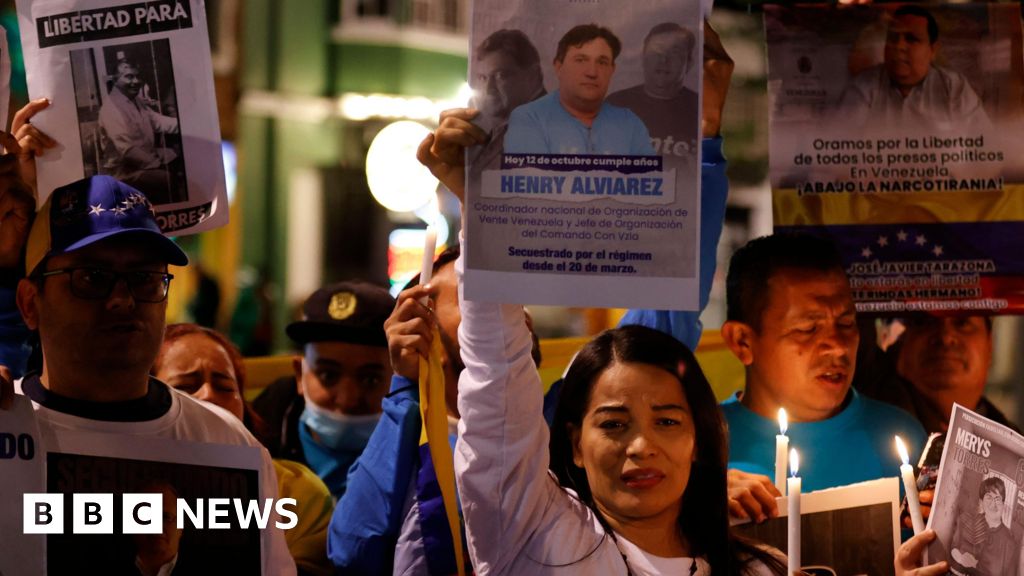
Addressing international demands, this gesture could alter the risk premium for regional investments. Key releases include five Spanish nationals and activist Rocio San Miguel; however, specific total figures remain undisclosed, with hundreds still detained.
The move follows significant US actions regarding President Nicolas Maduro, indicating calculated diplomatic engagement. This partial transparency adds uncertainty for market participants.
This analysis explores economic ripple effects, geopolitical risk, and investment opportunities in Venezuela’s evolving landscape, crucial for strategic financial analysis and trading decisions.
Detailed Analysis
The prolonged political instability in Venezuela has historically deterred foreign direct investment and significantly elevated the country’s sovereign credit risk. For long-term investors assessing emerging markets, political certainty is paramount. This recent release of political prisoners, while a humanitarian gesture, must be viewed against Venezuela’s complex economic and geopolitical history. Years of systematic detention of opposition figures have amplified concerns about rule of law and property rights, critical for a stable investment climate. Intensified legal actions against critics following disputed 2024 elections further exacerbated perceived political risk. This backdrop dictates how global investors interpret shifts in the Maduro administration’s policies, making nuanced financial analysis essential.
Venezuelan officials frame the releases as ‘national unity,’ but financial markets demand tangible policy shifts. The release of five Spanish nationals and high-profile security expert Rocio San Miguel, arrested February 2024 on severe charges, represents a targeted, impactful move. While Jorge Rodriguez promised a ‘significant number,’ the undisclosed total and ‘hundreds’ remaining incarcerated introduce market uncertainty. For swing traders and finance professionals, this partial transparency mandates caution. The contentious distinction between ‘political prisoners’ and ‘genuine crimes’ directly influences international sanctions regimes and capital access. The anticipated closure of El Helicoide prison, notorious for reports of torture, could signal deeper human rights commitment, potentially impacting sovereign bond yields. However, human rights groups caution against diverting focus from other active detention sites.
Emerging markets with similar political volatilities and sanctions, like Iran or Cuba, have shown significant swings in investor sentiment and asset valuations post-de-escalation. Venezuela’s scenario warrants such comparison, where sanctions relief and political normalization can impact sovereign debt instruments and commodity-linked equities, especially its oil sector. Attorney General Tarek Saab’s denial of political prisoners contrasts with international claims, creating due diligence challenges. Provea’s warning to look beyond El Helicoide underscores that superficial gestures may not translate to fundamental governance improvements or systemic risk reduction. This affects financial models incorporating country risk, impacting valuation multiples for regional investments.
For retail investors and swing traders, short-term market reactions to such political gestures can be volatile, potentially offering niche opportunities in Venezuelan distressed debt or commodity derivatives if diplomatic momentum builds. However, long-term investors and finance professionals must exercise extreme caution. Key metrics to monitor include the transparency and scope of further releases, the actual closure of detention centers like El Helicoide, and consistent government engagement with human rights bodies. Concrete movements towards democratic reforms or significant sanctions relief would act as catalysts for investor confidence. Conversely, a lack of follow-through could quickly reverse any positive sentiment. The political capital gained by figures like Maria Corina Machado will also shape the long-term investment narrative. Vigilance and robust risk management are paramount in this high-volatility, high-uncertainty emerging market environment.
About the Author