Key Takeaways
Geopolitical risk surges as Ukraine war intensifies with troop plans & massive attacks. Analyze energy market impact, investment strategies & crude oil prices for 2026.
Overview
Heightened geopolitical risk is rapidly re-shaping the global investment landscape, directly impacting sentiment across the Stock Market India. Russia’s recent denunciation of European troop deployment plans as “dangerous” signals a significant escalation, intensifying the nearly four-year conflict with Ukraine.
For Retail Investors, Swing Traders, and Finance Professionals, this dynamic translates to increased market volatility, particularly affecting commodity prices and defense stocks. The potential for a “massive Russian attack,” as warned by Kyiv, introduces immediate uncertainty.
Crucially, the Kremlin reportedly earned an estimated €7.2 billion ($9.7 billion) last year from liquefied natural gas (LNG) exports to the EU, highlighting a persistent revenue stream amidst sanctions. This ongoing financial leverage from energy exports could prolong the conflict, sustaining risk premiums.
This financial analysis delves into the market implications, technical levels, and strategic shifts investors should monitor amidst the evolving geopolitical environment, with a focus on investment and trading strategies for 2026.
Detailed Analysis
The escalating geopolitical tensions stemming from the Ukraine conflict are profoundly influencing global market dynamics, a critical consideration for Stock Market India participants. Russia’s firm denunciation of any European troop deployment, labeling such units “legitimate military targets,” significantly raises the risk profile. This aggressive stance directly impacts investor sentiment, potentially leading to increased volatility across major indices like the Sensex and Nifty. Kyiv’s concurrent warnings of a “massive Russian attack” underscore an immediate threat, contributing to market uncertainty. This nearly four-year conflict continues to be a primary exogenous factor influencing global economic stability, particularly impacting energy markets, defense spending, and broader investor confidence. The recent developments suggest a deepening impasse, moving further from a swift resolution, which has profound implications for international trade, supply chain resilience, and long-term Investment outlooks across various sectors.
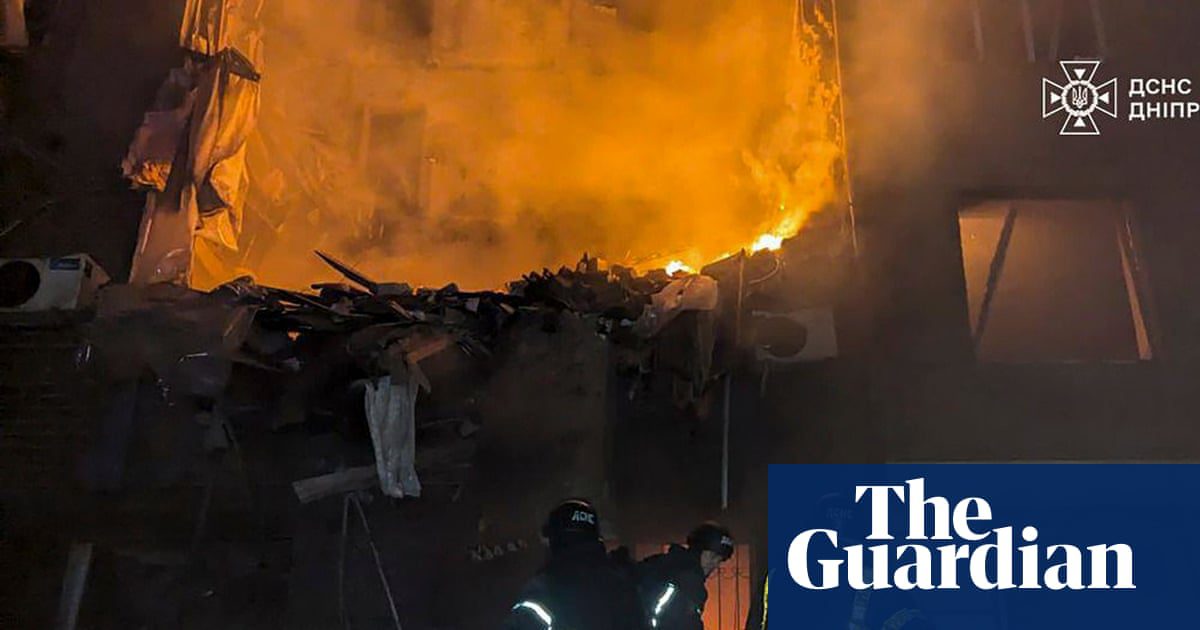
The Kremlin’s explicit threat against European troops, reiterated by foreign ministry spokesperson Maria Zakharova, immediately signals heightened risk for NATO-allied defense firms, and could trigger flight-to-safety trades, impacting gold and certain commodity futures. German Chancellor Friedrich Merz’s assessment that a ceasefire remains “quite far” away reinforces a prolonged conflict scenario, pushing back hopes for a quick return to stability. On the ground, the US embassy in Kyiv and President Zelenskyy’s warnings of imminent “massive Russian attacks” materialized with drone strikes on Kyiv, causing fires and injuries in multiple districts. Concurrently, Ukrainian forces demonstrated enhanced capabilities by targeting energy installations in Belgorod, western Russia, leading to “one of the most effective infrastructure strikes” since the war began, causing widespread internet disruption. These retaliatory actions indicate an escalating kinetic phase, which typically correlates with increased market apprehension and a potential for commodity price spikes.
Despite European Union pledges to ban Russian liquefied natural gas (LNG) imports by 2027, the Kremlin reportedly earned an estimated €7.2 billion ($9.7 billion) last year from EU exports. This divergence highlights Europe’s continued, albeit decreasing, reliance on Russian energy, providing substantial revenue that fuels the conflict and prolongs global market uncertainty. Such sustained revenue streams mitigate immediate economic pressure on Russia, contrasting with the EU’s long-term energy diversification goals. The proposed Anglo-French led stabilization force, envisioned to deter post-war provocations, must be robust, demanding “thousands of combat troops” according to former US army General Ben Hodges, underscoring the scale of perceived future threats compared to existing diplomatic efforts. This ongoing energy dependence dynamic presents a unique challenge for global markets, especially for Trading in natural gas futures.
[Suggested Line Graph: European Union’s Russian LNG Imports (Volume & Value) vs. Global Natural Gas Prices (MMBtu) over the last 24 months, highlighting EU policy announcements.]
For Retail Investors and Swing Traders, these developments necessitate heightened vigilance. Markets will likely exhibit increased volatility, particularly in energy-related stocks, defense manufacturing, and commodities. Short-term Trading strategies should focus on monitoring geopolitical headlines for immediate reactions, identifying potential support and resistance levels for key indices like the Nifty and BSE Sensex. Long-term Investors and Finance Professionals must integrate geopolitical risk as a core factor in portfolio construction and Financial Analysis. The sustained conflict and Russia’s continued energy revenues underscore a prolonged period of uncertainty, influencing commodity prices (crude oil, natural gas) and global inflationary pressures. The defense sector, conversely, might see sustained investment momentum. Diversification and hedging against currency fluctuations become critical. Key metrics to watch include international crude oil benchmarks (e.g., Brent Crude), natural gas futures, and the India VIX for sentiment shifts. The long-term trajectory points towards continued market sensitivity to geopolitical developments, requiring adaptive Investment strategies for 2026.
About the Author