Key Takeaways
Internet connectivity collapsed across Iran on Thursday amid nationwide protests over a severe economic crisis. Learn about the blackout and its implications.
Overview
Internet connectivity across Iran collapsed on Thursday, plunging the nation into a near-total blackout amid widespread protests fueled by a severe economic crisis. This dramatic Iran internet collapse significantly disrupts communication and information flow, raising concerns about the situation on the ground for general readers interested in current affairs.
The immediate impact for General Readers and News Consumers is the profound isolation of Iran, making it challenging to ascertain the full scope of ongoing events. This move highlights a growing global trend of governments restricting digital access during periods of domestic unrest.
Web monitoring firms like Kentik, Cloudflare, NetBlocks, and IODA confirmed the severe drop, with experts noting the country was “effectively completely offline” around 11:30 a.m. U.S. east coast time (8 p.m. local Tehran time).
This critical development demands careful monitoring, as the blackout directly impacts civil liberties and the international community’s understanding of the unfolding situation in Iran, a key focus in today’s updates.
Detailed Analysis
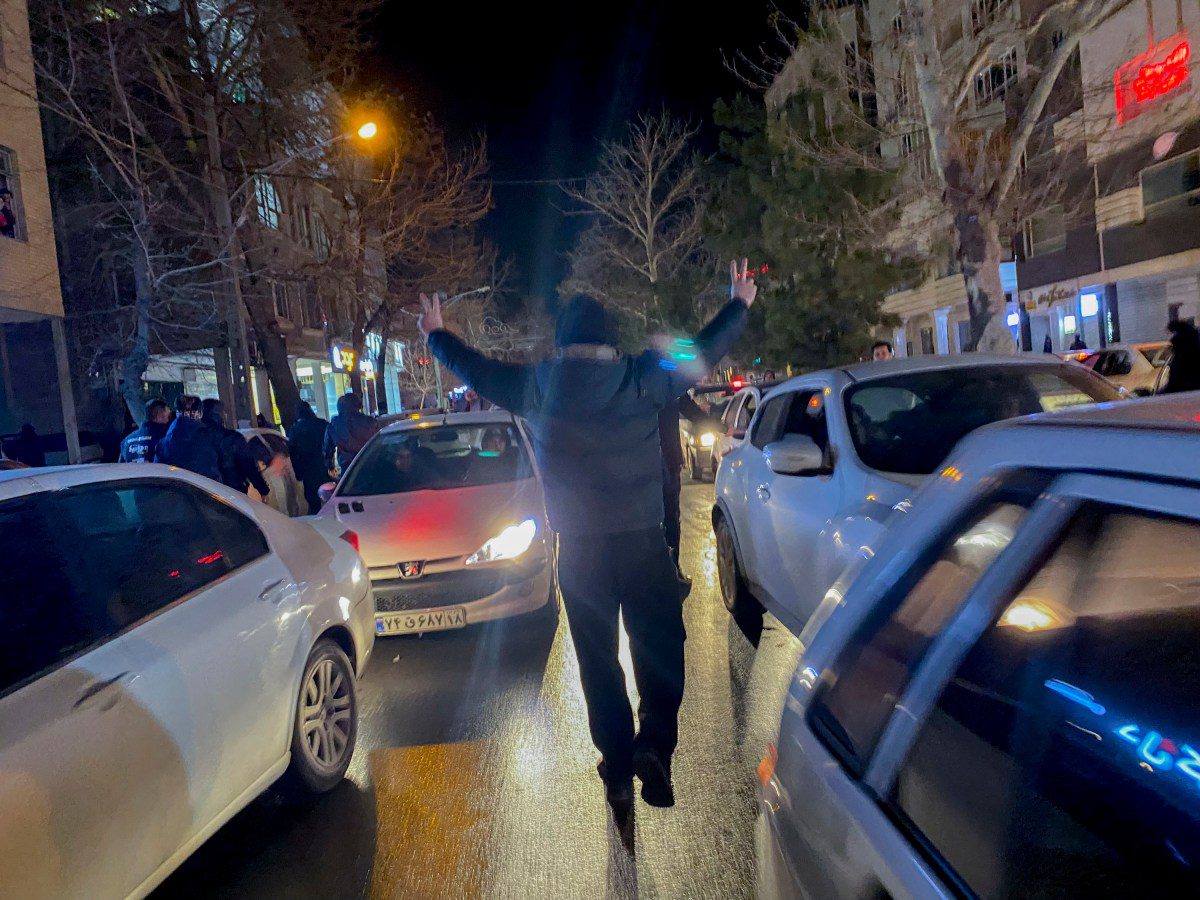
The sudden and widespread collapse of internet connectivity across Iran on Thursday marks a significant escalation in the country’s ongoing internal struggles. This is not merely a technical glitch; it represents a deliberate act to control information and suppress dissent, a tactic observed in various nations facing similar domestic challenges. The blackout follows a period of escalating economic hardship within Iran, characterized by a sharp depreciation of the national currency, leading to critical shortages of essential goods and dramatic price surges. These conditions ignited nationwide protests starting in late December, creating a volatile environment where the Iranian government’s response has included violent crackdowns against its own citizens. The closure of shops in Tehran’s traditional bazaar for eleven consecutive days underscores the severity of the economic paralysis driving this unrest, setting a critical backdrop for understanding the internet shutdown’s immediate context.
Multiple independent web monitoring firms, including Kentik, NetBlocks, Cloudflare, and IODA, independently registered simultaneous and sharp declines in internet traffic across Iran. Doug Madory, director of internet analysis at Kentik, described the situation as a “near-total blackout” starting around 11:30 a.m. on the U.S. east coast, corresponding to 8 p.m. local time in Tehran. This assessment was corroborated by Amir Rashidi, an Iranian cybersecurity researcher with the Miaan Group, who stated, “I think we’re at a near-total disconnection from the outside world now.” David Belson, head of data insight at Cloudflare, further confirmed this, noting that while a small amount of traffic might still exist, “the country is effectively completely offline.” Rashidi explicitly attributed the internet blackout to the Iranian government, which maintains stringent control over the country’s digital infrastructure, thereby implicating state action in this comprehensive information blockade.
This current internet collapse in Iran echoes similar actions taken by governments globally to curb protests and manage information during times of crisis. Such shutdowns severely impede citizens’ ability to organize, communicate with each other, and report events to the outside world, effectively creating an informational vacuum. From a comparative perspective, this strategy aims to regain control over the narrative, often at the expense of human rights and economic activity. The prolonged closure of the Tehran bazaar, as reported by The New York Times, signifies profound economic distress, and an internet blackout can only exacerbate these conditions, isolating businesses further from global markets and exacerbating local supply chain issues. [Suggested Line Graph: Iran’s Internet Traffic Drop on Thursday, showing the steep decline in connectivity around 11:30 a.m. ET, illustrating the immediate impact.]
For General Readers and News Consumers, the Iran internet collapse is a critical reminder of the fragility of information access and the potential for governments to use digital controls as instruments of power during periods of civil unrest. This event has direct implications for understanding the true scale of the protests and the government’s response, as verified information becomes scarce. Individuals should monitor international reports from web monitoring groups that track global internet freedom, even as direct insights from Iran diminish. The ongoing economic crisis, the scale of public dissent, and the government’s escalating measures, including violent crackdowns, point to a deeply unstable situation. The internet blackout not only curtails free speech but also has profound socio-economic consequences, painting a stark picture of the challenges facing the Iranian populace and the complexities of current affairs in the region.
About the Author