Key Takeaways
Venezuela’s recent operation sparks geopolitical shifts. Explore its indirect implications for global tech market stability, startup strategies, and innovation ecosystems in 2026.
Overview
A recent U.S. operation targeting President Nicolás Maduro in Venezuela has reportedly resulted in significant casualties, with Venezuelan officials claiming 100 dead. This early 2026 geopolitical event subtly impacts global stability, a critical underlying factor for technological progress and startup ecosystems.
While the human cost is immediate, such events influence international relations and economic confidence, vital for fostering innovation and tech investment, particularly in dynamic regions like Technology India.
Venezuela reported 100 dead. Cuba confirmed 32 military fatalities. Seven U.S. service members were injured, five already back on duty.
Tech innovators must monitor geopolitical shifts impacting market stability, startup operations, and software development timelines.
Key Data
| Entity | Fatalities Claimed | Injuries | Status |
|---|---|---|---|
| Venezuelan Forces | 100 (claimed by official) | Maduro (leg), Flores (head) | High Impact |
| Cuban Forces | 32 | Not disclosed | Significant |
| U.S. Service Members | 0 | 7 (5 returned to duty) | Low Impact |
Detailed Analysis
The recent military operation in Venezuela, reportedly orchestrated by the U.S. to capture President Nicolás Maduro, represents a significant geopolitical maneuver with potential far-reaching consequences beyond immediate political spheres. This event, unfolding on Saturday, January 3, 2026, involved U.S. service members landing in Caracas as part of a mission known as ‘Operation Absolute Resolve’. The reported objective was the capture of Maduro and his wife, Cilia Flores, leading to their subsequent transport and capture on the USS Iwo Jima and arrival in New York City by January 5, 2026. Such high-stakes international actions often trigger ripples that, while not directly technological, invariably affect the underlying stability and confidence crucial for tech innovation and startup growth.
From an operational standpoint, the mission, led by the Army’s elite special operations unit Delta Force, was described by an administration official as ‘extremely complex and grueling’. Despite this complexity, the U.S. reported relatively few injuries among its forces, with seven service members hurt and five already returned to duty, a testament to the expertise involved. Conversely, Venezuelan Interior Minister Diosdado Cabello claimed 100 fatalities on their side, with Reuters adding that Venezuela’s army posted a list of 23 names. Cuba also confirmed 32 military and police deaths, stating they were part of a mission carried out at Venezuela’s request. These numbers highlight the disparate outcomes and the significant human cost of such military engagements. While explicit technology specifications used in the operation are not disclosed in the source, the execution of such a ‘secretive mission’ by elite units like Delta Force inherently suggests reliance on advanced logistical coordination, secure communication protocols, and precise intelligence gathering, areas ripe for future AI and software innovations.
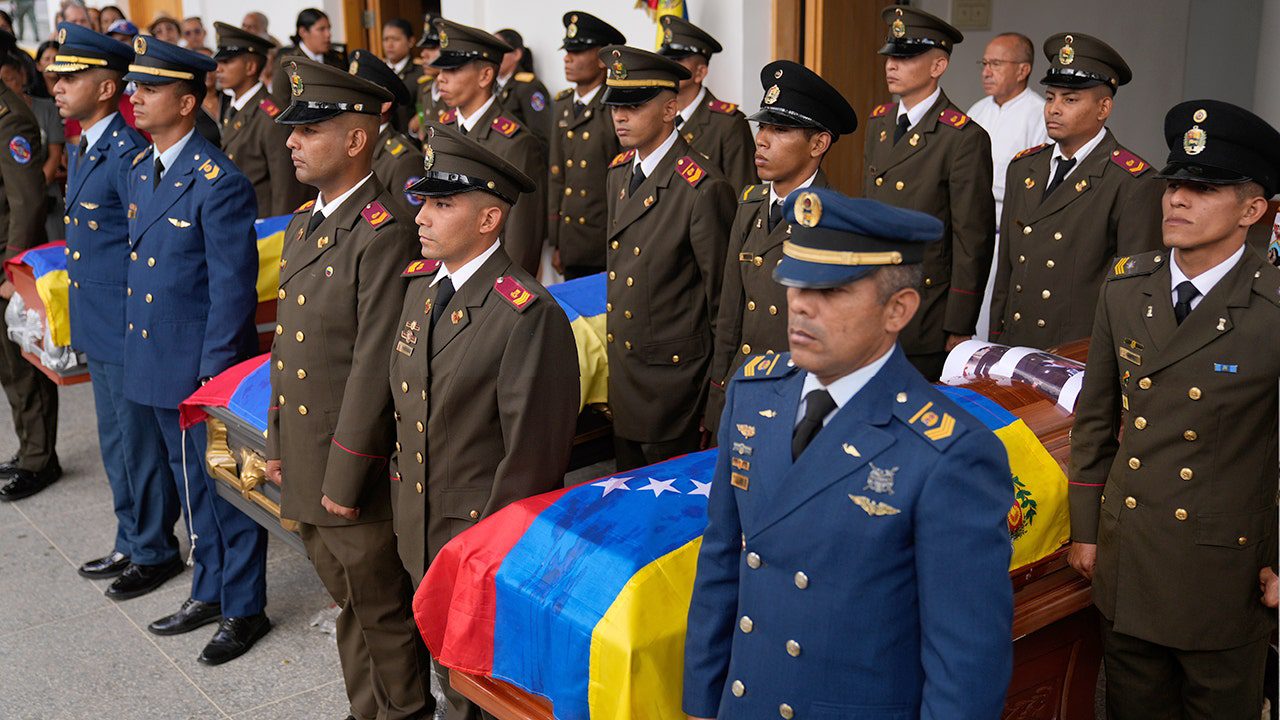
Comparing the reported casualty figures, the stark contrast between the zero U.S. fatalities and the alleged 100 Venezuelan and 32 Cuban deaths underscores the asymmetrical nature of modern military operations. Venezuela’s interim President Delcy Rodriguez has declared a week of mourning, signaling the profound national impact. While direct comparisons to technology product launches or market share shifts are irrelevant here, the incident provides a geopolitical case study in strategic execution and risk mitigation. For the tech sector, such events can increase the perceived risk in specific geographies, potentially impacting venture capital flows or the feasibility of launching new startups in regions deemed unstable. The ability of nations to conduct ‘extremely complex’ missions also highlights ongoing advancements in operational capabilities, a parallel to innovation cycles in the technology sector focused on efficiency and effectiveness.
For Tech Enthusiasts, Innovators, Developers, and Startup Founders, while this event is primarily political, its ripple effects can subtly shape the global operating environment. Geopolitical volatility, as demonstrated by the Venezuela operation, can influence everything from supply chain stability for gadget manufacturing to the security of digital infrastructure and the availability of development talent. Companies heavily invested in emerging markets or global software solutions must build resilient strategies against such unforeseen shocks. Monitoring these international dynamics is crucial for strategic planning, ensuring that AI innovation and startup growth can continue in a world with evolving risks. Future implications suggest a renewed focus on secure communication technologies and advanced analytics for risk assessment.
About the Author