Japan’s First Female PM Sanae Takaichi: Nikkei Hits Record High
Japan ushers in its first female Prime Minister, Sanae Takaichi, as the Nikkei index soars to a record high. Explore the market's reaction, the "Takaichi trade," and what her new government means for Japan's economy and investors. Get insights into the historic shift!
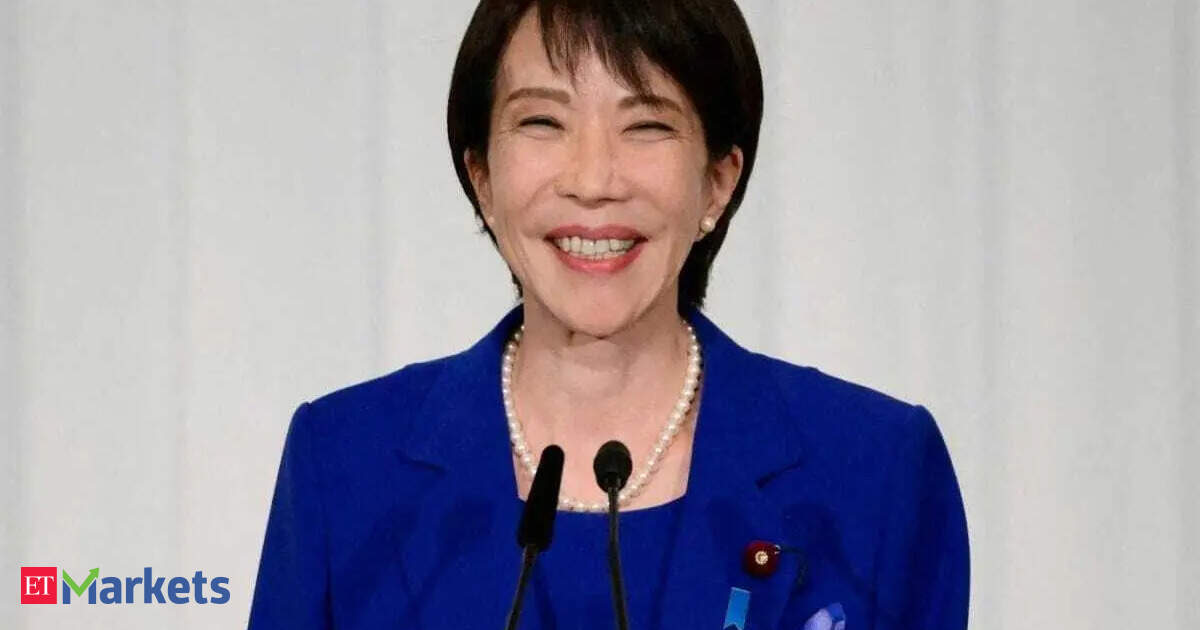
Sanae Takaichi has made history, becoming Japan’s first female Prime Minister after securing a parliamentary vote. This landmark political event coincided with Japan’s Nikkei stock index closing at an unprecedented record high of 49,316.06, extending its rally. While the so-called “Takaichi trade” initially favored equities and a weaker yen, analysts suggest a pragmatic approach from her minority government might temper these effects long-term. Markets are keenly watching her cabinet appointments, including the new finance minister Satsuki Katayama, for clues on future fiscal policy and economic direction in Japan. This historic moment marks a significant shift in Japanese politics and market dynamics.
The ascent of Sanae Takaichi as Japan’s first female Prime Minister has undeniably injected a new dynamic into the nation’s political landscape, simultaneously driving the Nikkei to a record high. The initial “Takaichi trade” anticipated a bullish equity market and a weaker yen, stemming from her perceived fiscal dove stance. However, the market’s somewhat choppy reaction post-confirmation, with the broader Topix settling flat and analysts predicting a pragmatic economic policy due to her minority government, suggests a nuanced reality.
The article highlights a potential evolution, or “new Takaichi trade,” focusing on a flattening yield curve and a rally in domestic demand stocks rather than broad reflation. This insight is crucial for investors keen on understanding Japan’s economic outlook and the future of Japanese stock market investment. The yen’s weakening following her appointment, alongside falling JGB yields, aligns with early “Takaichi trade” expectations, yet concerns remain about sustained momentum given the political complexities. Future market performance will largely depend on the specific structural reforms and strategic investments her administration pursues, and how these impact Japanese corporate earnings and consumer spending. Investors should watch for concrete policy details and cabinet appointments to gauge the long-term implications for Japan’s financial markets and economic growth strategies.