Key Takeaways
Geopolitical risk from Venezuela action could impact India’s market stability. Analyze commodity prices, capital flows, and investment strategies for NSE & BSE.
Overview
Recent U.S. military action in Venezuela introduces a significant layer of geopolitical risk, demanding careful financial analysis for the Indian market. Such international political developments often correlate with heightened market volatility, influencing global investment sentiment and potentially impacting capital flows into emerging economies like India.
For Retail Investors, Swing Traders, Long-term Investors, and Finance Professionals, understanding these ripple effects is crucial. Global risk aversion frequently prompts a flight to safe-haven assets, affecting equity flows and currency stability on the NSE and BSE. This warrants close monitoring for informed trading and investment decisions.
While specific financial metrics directly quantifying this event’s immediate impact on Indian markets are not disclosed, the general principle of elevated geopolitical risk translates to an increased risk premium on equities. Past instances of global political friction indicate foreign institutional investors may temporarily withdraw capital, affecting liquidity.
This analysis delves into the short, medium, and long-term implications for global market stability, with a focus on potential commodity price fluctuations, particularly oil, and their influence on broader investment and trading strategies across the Indian stock market.
Detailed Analysis
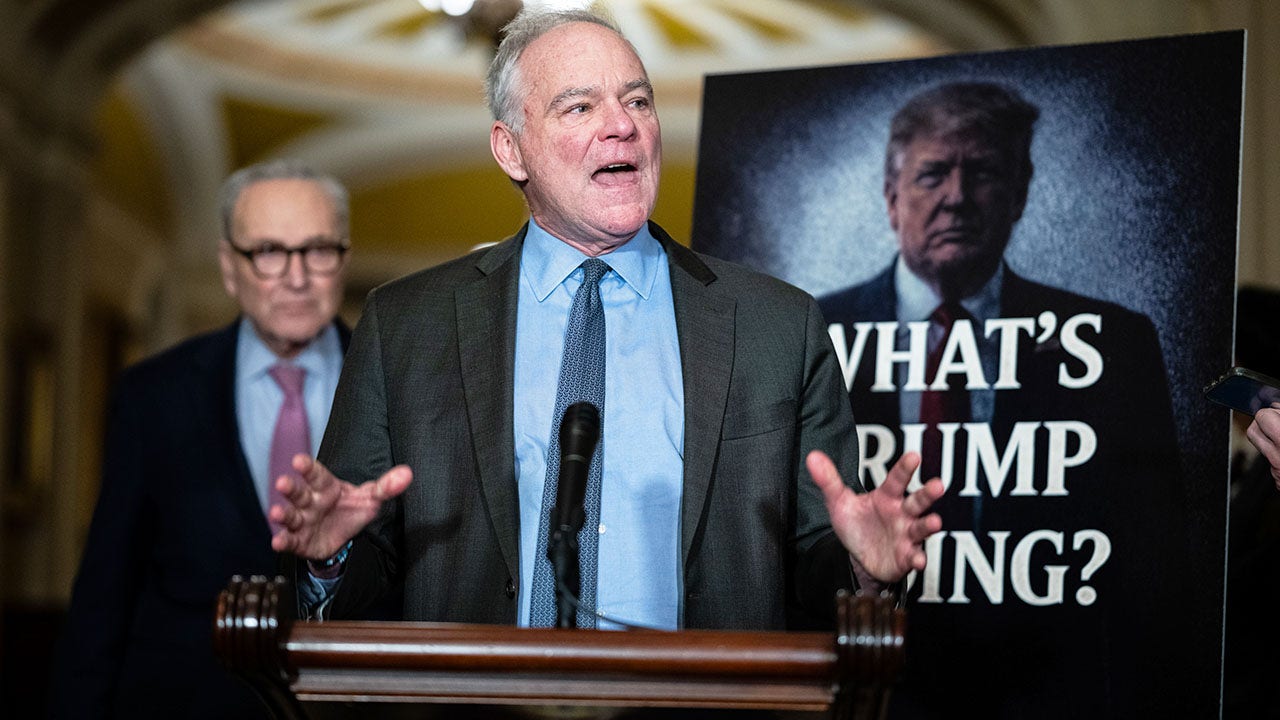
The recent surprise U.S. military operation in Venezuela and subsequent legislative efforts by U.S. Senator Tim Kaine to restrict executive war powers inject considerable geopolitical risk into global markets. Historically, such unforeseen international political actions, particularly involving resource-rich nations, often trigger market volatility across major indices like the Sensex and Nifty. Institutional and retail investors typically re-evaluate their risk exposures during these periods, frequently leading to shifts in investment patterns. Senator Kaine’s resolution aims to halt further military action without congressional approval, highlighting internal U.S. political divisions that create an environment of unpredictability. This domestic political dynamic within the U.S. regarding foreign policy decisions forms a critical backdrop for any comprehensive financial analysis, as markets generally disfavor uncertainty.
Breaking down the immediate implications, the swift capture of Venezuelan President Nicolás Maduro and his wife, reportedly without explicit congressional approval, presents a ‘black swan’ event risk. Swing Traders, in particular, must recognize that such unexpected developments can provoke sharp, short-term market reactions, especially in sectors highly sensitive to global political shifts or commodity prices. The lack of congressional oversight, a concern voiced by Congressional Democrats including Senate Minority Leader Chuck Schumer, suggests potential for a prolonged political debate within the U.S., which could sustain investor uncertainty. While specific financial metrics related to this particular event are not disclosed in the source content, the overarching principle dictates that heightened geopolitical risk elevates the risk premium on equities. Previous episodes of global political friction often show a tendency for foreign institutional investors to temporarily withdraw capital from emerging markets, potentially impacting liquidity and leading to price corrections on the NSE and BSE.
In a comparative analysis, the Venezuelan situation bears similarities to previous geopolitical flashpoints. For instance, Senator Kaine previously forced a war powers resolution vote concerning the U.S. strike on Iranian nuclear facilities, which also failed largely along party lines. The recurring nature of these executive actions, coupled with limited congressional consensus, suggests a pattern of potentially unilateral U.S. foreign policy. This implies that global markets may continue to operate under a persistent ‘geopolitical uncertainty’ factor, creating a less predictable environment for investors compared to periods with clear, bipartisan foreign policy. A key metric for Indian investors to monitor would be global crude oil prices, given Venezuela’s significant oil reserves. Any escalation could disrupt supply, driving up energy costs and impacting input costs for various Indian industries, thereby influencing domestic inflation. The source highlights the value of analyzing such events’ impact on crude oil, gold, and FII flows before and after similar past occurrences, although specific comparative data for this particular event remains undisclosed.
For Retail Investors and Swing Traders, closely monitoring the legislative progress of Senator Kaine’s resolution and subsequent U.S. foreign policy statements is paramount. The increased volatility linked to global events necessitates agile trading strategies and robust risk management frameworks. Long-term Investors and Finance Professionals should meticulously evaluate their portfolio’s exposure to sectors sensitive to commodity price fluctuations or global capital flow shifts. A potential for increased defense spending globally, though not directly mentioned in the source, could present opportunities for defense sector stocks. This geopolitical event underscores the critical importance of integrating macro-political risk into fundamental financial analysis. Key metrics to watch include the VIX (Volatility Index), FII flow data into India, and global crude oil benchmarks. The outcome of the Senate vote on Kaine’s resolution, expected this week, will serve as a significant near-term indicator shaping the broader investment outlook and global market stability.
About the Author