Key Takeaways
India’s SIR row erupts as BJP dismisses Mamata Banerjee’s electoral concerns as ‘pure fiction’. Understand the policy implications and political standoff.
Overview
A significant political dispute has emerged concerning the ongoing SIR row India, a Special Integrated Revision exercise aimed at purifying voter lists. The Bharatiya Janata Party (BJP) has sharply countered West Bengal Chief Minister Mamata Banerjee’s allegations, labeling her concerns as ‘pure fiction’ and a ‘desperate attempt to sabotage’ the democratic process.
This escalation, triggered by letters exchanged between the Chief Election Commissioner (CEC) and opposition leaders, underscores the intense scrutiny over electoral integrity ahead of crucial elections. News Readers, Policy Watchers, Informed Citizens, and Political Analysts are closely monitoring this standoff for its broader implications on governance and electoral fairness.
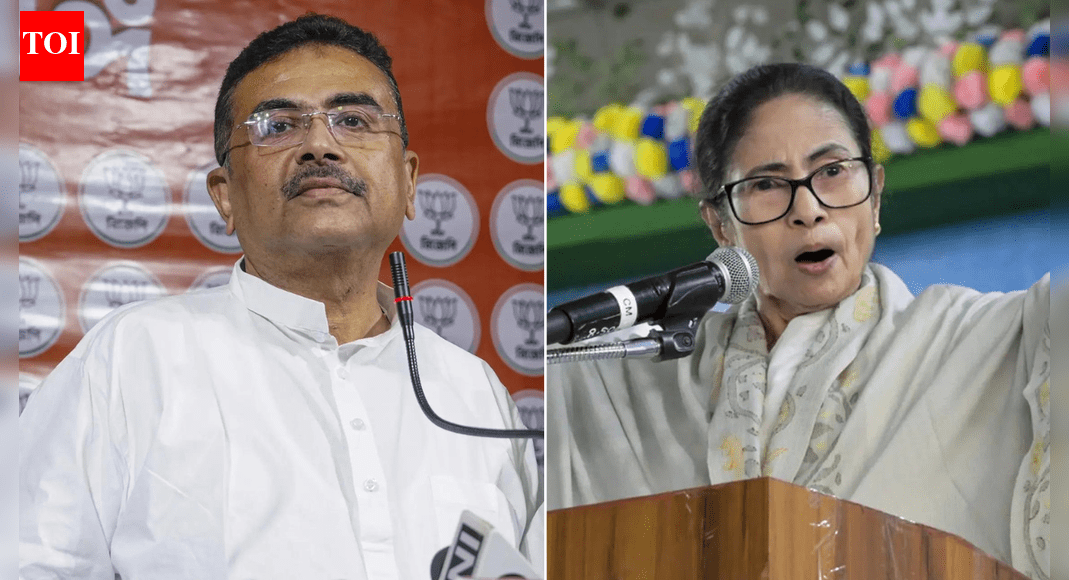
BJP leader Suvendu Adhikari asserts the SIR is a ‘meticulously orchestrated national initiative’ implemented after ‘extensive nationwide consultations’ with over ‘50,000 Booth Level Officers’ trained in West Bengal alone. He maintains IT systems have processed ‘millions of entries seamlessly’.
The current confrontation highlights fundamental differences in perception regarding voter list accuracy, with profound implications for the upcoming 2026 Assembly Elections and the sanctity of the electoral roll.
Detailed Analysis
The integrity of electoral rolls forms a cornerstone of democratic governance, often becoming a flashpoint in India Politics. Historically, exercises to update and purify voter lists have faced scrutiny, balancing the imperative to include all eligible citizens with the need to eliminate fraudulent entries. This particular SIR row India highlights a familiar tension between the ruling party’s efforts to streamline electoral processes and the opposition’s concerns over potential disenfranchisement or political manipulation. The current dispute, involving prominent political figures like Mamata Banerjee and Suvendu Adhikari, resonates within a broader context of contested electoral reforms and the robust role of the Election Commission in upholding democratic principles.
Mamata Banerjee’s letter to the CEC outlined ‘serious irregularities, procedural violations, and administrative lapses,’ describing the SIR as ‘unplanned, arbitrary, and ad-hoc.’ Her primary concerns included ‘server failures,’ ‘data mismatches,’ and an excessive ‘strain on Booth Level Officers (BLOs)’ due to poor training and unrealistic deadlines. She warned that continuing the exercise in its current form could lead to ‘irreparable damage’ and ‘large-scale disenfranchisement of eligible voters.’ In stark contrast, Suvendu Adhikari, in his counter-letter, vehemently defended the SIR. He characterized Banerjee’s claims as ‘desperate lies’ designed to shield ‘fictitious voters, ghosts of the deceased, and illegal infiltrators.’ Adhikari asserted the SIR is a vital national initiative, meticulously planned and executed to purge ‘duplicate, bogus, and ineligible entries,’ ensuring the sanctity of the voter lists. He dismissed allegations of IT system failures, citing seamless processing of millions of entries and real-time dashboards for transparency, while accusing the Trinamool Congress of actively attempting to disrupt the process through intimidation and disinformation campaigns.
This political clash mirrors similar debates witnessed across various states in India, where voter list revisions often attract accusations of partisanship. The Election Commission, as the supreme constitutional body overseeing Elections, frequently finds itself navigating between competing political narratives, charged with maintaining neutrality and adherence to the Representation of the People Act, 1950. The allegations of ‘political motivation’ against the ECI by one side, and accusations of ‘sabotage’ against the other, highlight the challenging environment for implementing policy reforms related to electoral processes. The current standoff underscores the delicate balance required to ensure an inclusive yet accurate electoral roll. [Suggested Line Graph: Electorate growth trends in West Bengal over the last decade, highlighting periods of special revision exercises and their reported impacts on voter numbers].
For News Readers, Policy Watchers, Informed Citizens, and Political Analysts, the SIR row India serves as a critical lens through which to examine the robustness of India’s electoral mechanisms. The debate’s outcome could significantly influence public trust in the upcoming 2026 Assembly Elections and future electoral exercises. Key metrics to monitor include any official statements or investigations by the ECI, the specific actions taken by field officials, and subsequent political campaigning around this issue. The persistent tension between ensuring voter accessibility and preventing electoral fraud remains a core challenge, with this dispute offering insights into how different stakeholders approach this fundamental aspect of democratic governance.
About the Author