Key Takeaways
An AAP sarpanch was tragically shot dead at an Amritsar wedding. Explore details of the attack, ongoing investigation, and wider implications for public safety in Punjab.
Overview
In a shocking incident that has sent ripples through local communities, an Aam Aadmi Party (AAP) sarpanch, Jarmal Singh, was brutally gunned down while attending a wedding in Amritsar, Punjab, on Sunday. This tragic event, occurring in broad daylight, has raised significant concerns about law and order and public safety in the region, drawing immediate attention across India News outlets.
The assassination of Singh, who served as sarpanch of Valtoha village in Tarn Taran district, underscores a disturbing trend of violence impacting local political figures. General readers and news consumers are looking for clarity on the motives and circumstances surrounding this brazen attack.
Official reports confirm the incident took place between 2:30 pm and 3:00 pm, with two armed assailants firing at close range. Notably, this was the fourth documented attempt on Singh’s life, suggesting a history of threats.
As authorities initiate a comprehensive investigation, the immediate focus remains on apprehending the perpetrators and understanding the broader implications of this current affairs development for Punjab’s security landscape and today updates.
Detailed Analysis
The assassination of an Aam Aadmi Party sarpanch, Jarmal Singh, at a wedding in Amritsar on Sunday has brought into sharp focus the vulnerabilities faced by local political representatives and the pervasive challenges to maintaining public order. Such incidents, often occurring in seemingly secure public gatherings, invariably erode public trust and heighten anxieties among citizens. The brazenness of the attack, executed in the presence of wedding guests, signals a worrying escalation in criminal activity or targeted violence within the region. Historical context often reveals that political figures, particularly at the grassroots level, can become targets due to local rivalries, land disputes, or ongoing feuds, making them particularly susceptible to such premeditated acts. This tragic event adds to a broader narrative of security concerns that periodically surface in current affairs discussions across India News platforms.
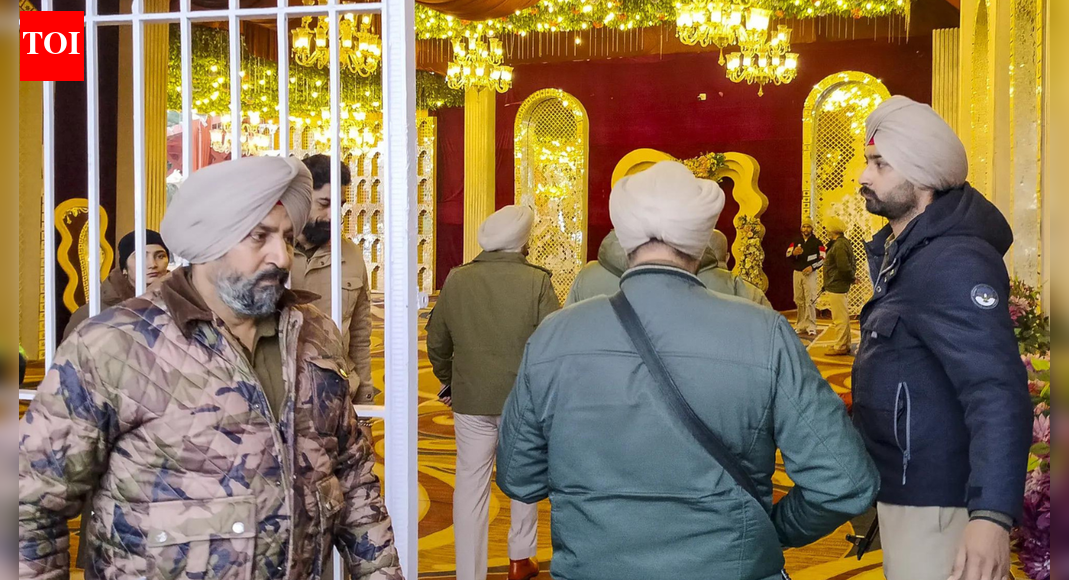
According to initial reports, two armed assailants specifically targeted Jarmal Singh, sarpanch of Valtoha village, between 2:30 pm and 3:00 pm, shortly after the newlyweds had departed the venue. The attackers reportedly shot Singh in the head at point-blank range, a detail confirming the premeditated and execution-style nature of the crime. This was not an isolated incident; police records reveal Singh had survived three previous murder attempts, suggesting he was a known target with persistent threats to his life. Eyewitness accounts provided crucial details, including the fact that the assailants did not attempt to conceal their faces, further indicating a brazen confidence or a calculated move to send a message. Authorities suspect Singh may have been under surveillance prior to the attack, a common tactic in targeted killings. Following the shooting, Singh was rushed to a nearby hospital but tragically succumbed to his injuries.
Comparing this incident to similar acts of violence against political figures in public spaces highlights several critical concerns for general readers and news consumers. Such events often pose significant challenges for law enforcement agencies, especially when assailants operate with apparent impunity in crowded settings. The current situation in Amritsar necessitates a robust police response, not only to identify and apprehend the suspects but also to reassure the public. The absence of immediate arrests, as noted by late Sunday, underscores the complexities of these investigations, often involving intricate networks and potential motives beyond simple criminal intent. The analysis of CCTV footage and the questioning of guests, as confirmed by Additional Deputy Commissioner JS Walia, are standard but crucial steps in piecing together the events and tracking the escape routes of the suspects. The police’s focus on a photograph allegedly showing the attackers indicates a tangible lead in a high-stakes investigation.
For general readers and news consumers, the sarpanch’s killing raises profound questions about public safety, especially in Punjab, and the effectiveness of security measures at private events. The fact that an elected representative, known to have faced previous threats, could be targeted in such a manner is a significant cause for concern. The incident’s immediate impact includes heightened community apprehension and calls for swifter justice. In the medium term, this could lead to increased scrutiny of local political dynamics and police responsiveness to intelligence regarding threats against public figures. Looking ahead, citizens should monitor the progress of the police investigation, particularly regarding any arrests made and the potential unravelling of the motive behind the attack. This case serves as a poignant reminder of the ongoing struggle to combat targeted violence and ensure security for all, with today updates expected as the investigation unfolds.
About the Author