Key Takeaways
Maduro’s capture signals potential for Venezuela’s tech rebirth. Explore digital transformation opportunities, startup growth, and innovation in post-authoritarian markets for innovators.
Overview
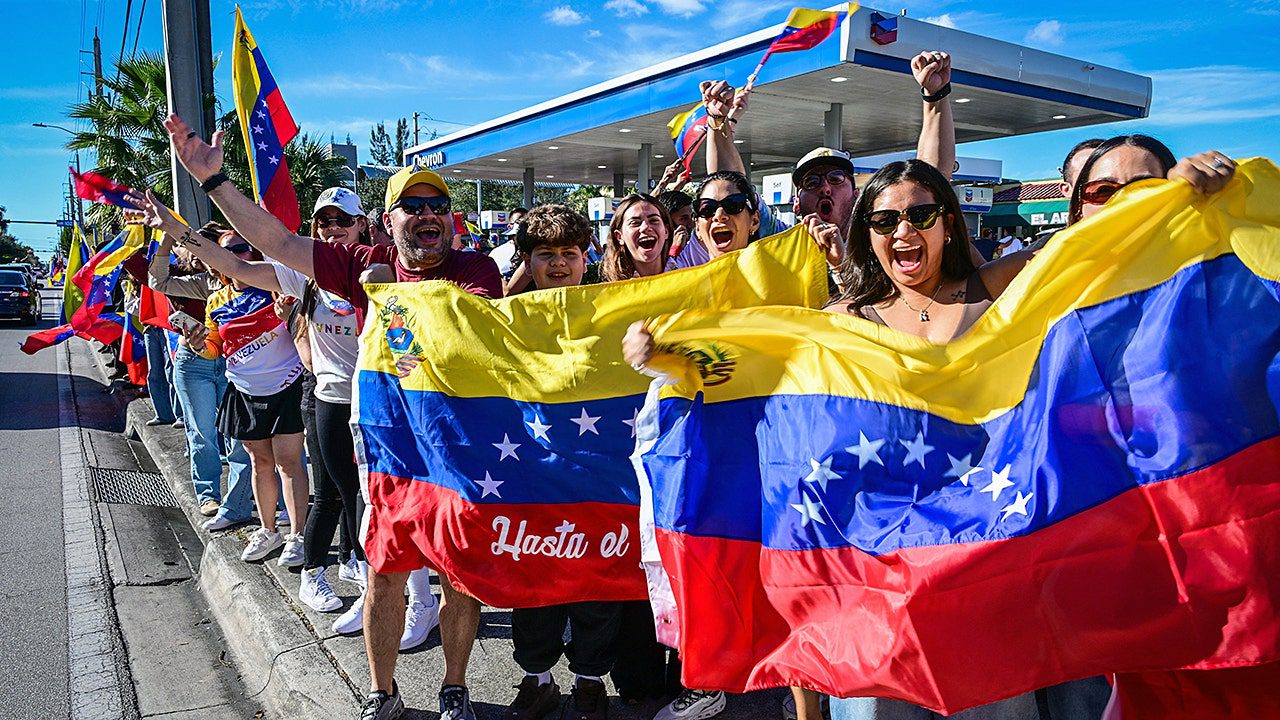
The recent news of Nicolás Maduro’s capture by the U.S. military has sparked widespread celebration among Venezuelan Americans in South Florida, signaling a significant geopolitical shift. This event, while primarily political, presents a unique, albeit speculative, lens for examining the future of technological innovation and startup ecosystems in the Western Hemisphere, particularly in a potentially re-emerging Venezuela.
For Tech Enthusiasts and Startup Founders, such profound geopolitical shifts can unlock new markets and drive demand for digital infrastructure and software solutions. This scenario, where a nation looks to “rebuild,” holds relevance for discussions around Technology India and other evolving global tech landscapes.
In Doral, Florida, approximately 40% of residents are of Venezuelan origin, expressing optimism after “27 years of oppression.” Many hope for the chance to “rebuild in their country.”
This analysis explores the potential short, medium, and long-term implications for tech adoption, digital entrepreneurship, and innovation-driven economic rebuilding in a post-authoritarian environment.
Detailed Analysis
The news of Nicolás Maduro’s capture has reverberated through South Florida’s Venezuelan American community, with celebrations reflecting decades of yearning for democratic governance. This political turning point, while not inherently technological, fundamentally alters the societal and economic canvas upon which future digital advancements could be painted. Historically, nations emerging from prolonged authoritarian rule often face the monumental task of rebuilding, and in the 21st century, this invariably involves significant digital transformation. Suppressed economies, like Venezuela’s under Maduro, typically lag in technological adoption, cybersecurity infrastructure, and fostering a dynamic startup culture due to lack of investment, censorship, and brain drain. The immediate jubilant reactions in Doral, Florida, where a substantial portion of the population is of Venezuelan origin, underscore a renewed hope. This sentiment, captured by Mayor Christi Farga, of finding “safety, freedom,” and “seeing the light at the end of the tunnel after 27 years of oppression,” could be the nascent spark for a new era of digital growth and innovation, paralleling the accelerated development trajectories seen in other emerging markets like Technology India over recent decades.
A detailed tech analysis in this context must pivot from direct specifications to the systemic conditions ripe for future tech integration. For years, Venezuela has been characterized by economic deprivation and authoritarian control, inherently stifling an open market for innovation. The “27 years of oppression” cited by Mayor Farga directly correlate with a period of stunted digital growth, where access to robust internet infrastructure, advanced gadgets, and a free software development ecosystem likely remained severely restricted. The “very rich country” with “many opportunities and resources” described by Fraga was deprived of its potential, creating a vast greenfield opportunity. This void could present an extraordinary opportunity for the rapid adoption of modern technologies, from mobile-first solutions to cloud computing and potentially AI-driven applications, if political stability is secured. The challenge lies in overcoming the legacy of underinvestment, but the enthusiasm from exiles eager “to be able to go back and rebuild in their country” suggests a skilled diaspora ready to contribute expertise, potentially bringing with them insights from advanced tech hubs, driving innovation, and nurturing new startups.
Comparing Venezuela’s potential future trajectory post-Maduro to other nations that have undergone significant political shifts offers insights for tech innovators. Transitions from restrictive regimes often precede periods of rapid digital acceleration, as pent-up demand for connectivity and open communication platforms is unleashed. While specific tech market data for Venezuela is currently absent due to its isolated past, the enthusiasm from citizens eager “to be able to go back and rebuild in their country” echoes sentiments seen in other regions poised for digital growth. This creates an interesting benchmark for the global technology market, especially for startups focused on foundational digital services. The ripple effect Fraga hopes for into “Cuba and Nicaragua” suggests a broader regional impact, opening up contiguous markets for tech solutions and potentially inviting investments from established tech players, fostering local development of software and services.
[Suggested Matrix Table: Potential Digital Economy Development Indicators for Post-Authoritarian Transitions (Hypothetical): Indicator | Pre-Transition | Post-Transition (Projected) | Global Emerging Market Average]
For Tech Enthusiasts, Innovators, Developers, and Startup Founders, Venezuela’s unfolding situation presents a nuanced landscape of opportunity and risk. The immediate takeaway is to monitor sustained political stability, the bedrock for any significant tech investment or innovation drive. Opportunities abound in essential digital infrastructure, software development, fintech, and e-governance solutions—areas likely underdeveloped under the previous regime. Startup Founders might find greenfield markets for accessible tech solutions, potentially attracting early-stage venture capital. However, risks include residual political instability, complex regulatory environments, and the challenge of rebuilding a skilled local tech workforce. The focus should be on initiatives empowering citizens through technology, fostering digital literacy. Key metrics to watch include foreign investment policies, infrastructure development, and the emergence of local tech entrepreneurship, which will define Venezuela’s role in the global innovation landscape.
About the Author