Key Takeaways
Explore the burgeoning electrolyte powder market in India. Analyze key product differentiators and investment potential within the health & wellness sector for 2026.
Overview
The health and wellness sector in India presents a compelling investment thesis, particularly within the functional beverage and nutraceutical segments. As consumer awareness around hydration and preventative health surges, the market for electrolyte powder solutions is expanding, signaling potential for significant growth. Market analysts highlight a shift towards specialized dietary needs and active lifestyles, driving demand for innovative products.
For Retail Investors, Swing Traders, and Long-term Investors, understanding the underlying product differentiators is crucial for identifying potential market leaders. The competitive landscape for electrolyte solutions, while nascent, shows distinct strategies influencing market share and brand loyalty. Finance professionals are closely examining ingredient profiles and consumer adoption rates to project future revenue streams.
Key product attributes, such as sodium content ranging from 100 mg (SaltStick) to 1,000 mg (LMNT, Quince Recovery), sugar content varying from 0g (Quince Recovery, IQBAR) to 19g (Skratch Labs), and calorie counts from 5 to 80, underscore the diverse market targeting within this segment.
This analysis delves into the strategic implications of these product characteristics, offering an investor-focused perspective on the evolving electrolyte market and crucial factors to monitor for potential opportunities.
Key Data
| Product | Sodium (mg) | Total Sugars (g) | Calories | Ingredient Profile Note |
|---|---|---|---|---|
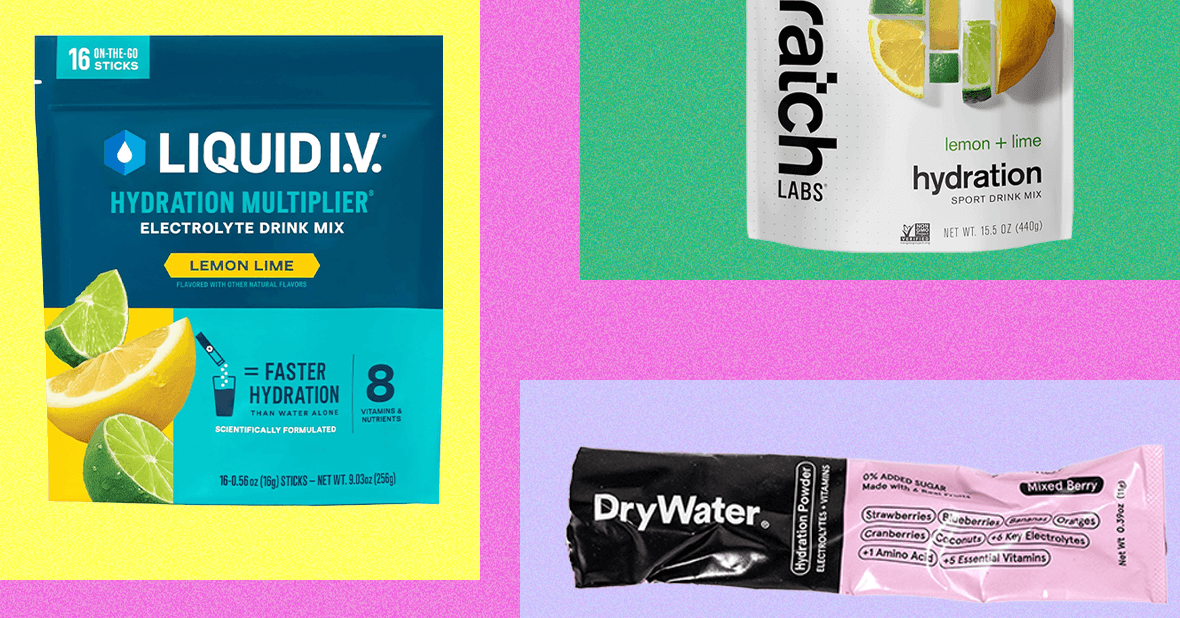
| Liquid I.V. Hydration Multiplier | 500 | 11 | 50 | High sugar/carb, artificial ingredients |
| Thorne Daily Electrolytes | 480 | 1 | 5 | Low calorie, low carb/sugar, artificial ingredients |
| LMNT Electrolyte Drink Mix | 1,000 | 2 | 10 | Super high sodium, low sugar, no artificials/gluten |
| Quince Recovery Zero Sugar Hydration | 1,000 | 0 | 10 | Zero sugar, high magnesium, no artificials/GMOs |
| Bodyarmor Flash I.V. Hydration Booster Packets | 510 | 1 | 15 | High potassium/calcium, low carb, artificial ingredients |
Detailed Analysis
The Indian health and wellness sector is undergoing a profound transformation, propelled by rising disposable incomes, increased health consciousness, and a growing embrace of active lifestyles. Within this expansive market, the functional beverage segment, particularly electrolyte powders, emerges as a significant growth pocket. Historically, hydration solutions primarily targeted elite athletes; however, evolving consumer behavior now positions these products as essential for daily wellness, recovery, and even cognitive support. This broader appeal underpins a robust long-term investment theme, as companies innovate to meet diverse consumer needs, spanning from intense athletic hydration to general low-sugar daily electrolyte intake. The sector’s expansion aligns with global trends favoring preventative health and personalized nutrition, setting the stage for sustained market expansion in India for years to come.
A detailed analysis of electrolyte powder formulations reveals a spectrum of product strategies that directly impact market positioning and, consequently, investment viability. Products like Liquid I.V. and Skratch Labs, with their relatively high carbohydrate (13g-20g) and sugar (11g-19g) content, often target athletes requiring rapid energy and electrolyte replenishment. This segment, while profitable, can face scrutiny from health-conscious consumers wary of high sugar intake. Conversely, brands like Thorne Daily Electrolytes, IQBAR, and Quince Recovery focus on low-calorie (5-10 calories), low-carb (0g-3g), and often zero-sugar formulations, appealing to a different demographic prioritizing general wellness, keto lifestyles, or diabetic-friendly options. The presence of artificial colors, flavors, or sweeteners (noted in products like Liquid I.V., Skratch Labs, Electrolit, and Celsius) presents a potential risk, as consumer preference increasingly shifts towards natural ingredients, as exemplified by Quince Recovery and LMNT, which explicitly avoid such additives. Moreover, specialized offerings like Shaklee’s ‘Hydration & Focus’ and IQBAR’s ‘cognitive function’ ingredients signal a market trend towards multi-benefit functional beverages, potentially carving out premium niches.
Comparing product philosophies, a clear bifurcation emerges in the electrolyte powder market. One approach, exemplified by Skratch Labs, prioritizes high carbohydrate and sugar content, making it highly effective for intense athletic performance but potentially over-spec’d for the casual user. In contrast, products such as Thorne Daily Electrolytes and LMNT position themselves with lower carbohydrate and sugar profiles, emphasizing electrolyte balance without excess caloric load. LMNT, with its super-high sodium content (1,000 mg), specifically targets individuals with intense electrolyte loss, often athletes, contrasting with lower sodium options. Furthermore, the inclusion or exclusion of artificial ingredients is a critical differentiator; products like Quince Recovery and LMNT explicitly market their ‘no artificials’ stance, appealing to a growing segment of consumers seeking cleaner labels. These distinct strategies highlight competitive positioning: some brands aim for mass market appeal via taste and variety, while others target niche segments with specific nutritional profiles or ‘clean label’ attributes. Each approach carries varying levels of market penetration potential and brand loyalty. [Suggested Matrix Table: Comparative Analysis of Electrolyte Powder Market Positioning based on Key Nutritional & Ingredient Profiles]
For Retail Investors, identifying brands that successfully align with prevailing and emerging health trends—such as low-sugar, natural ingredients, and targeted functional benefits—is paramount. Companies demonstrating strong product innovation and a clear understanding of consumer segment needs are likely to capture greater market share and exhibit sustainable growth. Swing Traders may find opportunities in short-term shifts driven by new product launches, seasonal demand patterns, or significant marketing campaigns influencing consumer perception of ingredient safety or effectiveness. Long-term Investors should evaluate the broader health and wellness market’s regulatory landscape, potential for ingredient cost fluctuations, and the ability of companies to adapt to evolving scientific understanding of nutrition. Finance Professionals are advised to monitor consumer preference shifts, particularly regarding artificial ingredients and added sugars, as well as the efficacy of multi-level marketing structures (as noted for Shaklee), which can impact market penetration and brand trust. Future metrics to watch include the rate of adoption of ‘clean label’ products, the emergence of personalized nutrition offerings, and the impact of health awareness campaigns on overall market size within the Indian context.
About the Author