Key Takeaways
China’s billions in oil-backed loans to Venezuela face risk after Maduro’s capture. Analyze geopolitical financial impact and investor implications for 2026.
Overview
The recent capture of Venezuelan President Nicolas Maduro by US forces presents a significant geopolitical and financial dilemma for China, a major investor and lender to the South American nation. Beijing condemned this event, necessitating a critical re-evaluation of China’s extensive investment portfolio in emerging markets amidst global power dynamics.
For retail investors, swing traders, and long-term investors, this development signals increased volatility and heightened geopolitical risk premiums, affecting specific sectors. The immediate concern revolves around the security of China’s tens of billions of dollars in oil-backed loans and strategic energy cooperation.
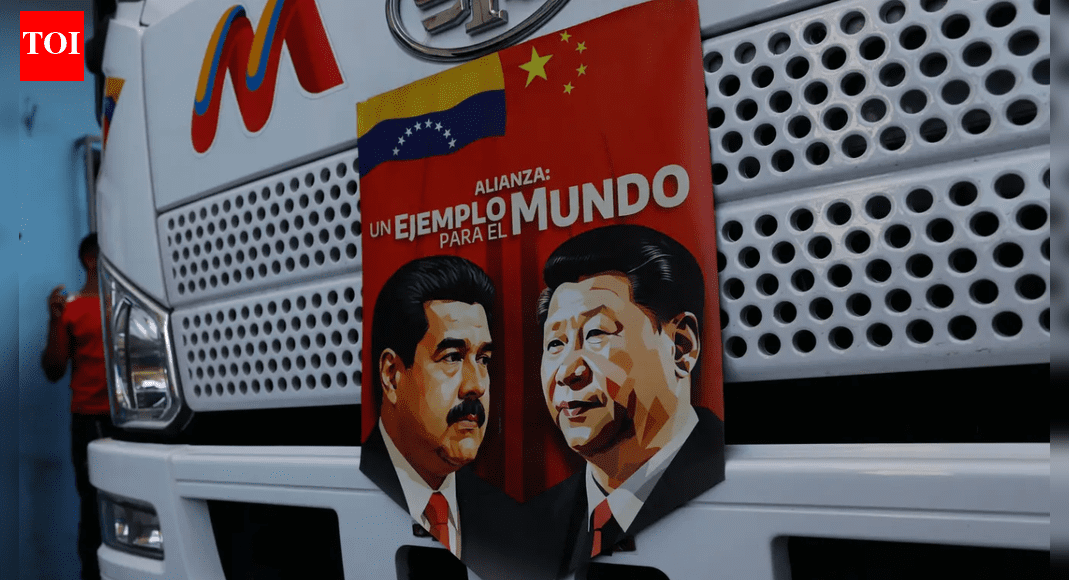
China, a major buyer of Venezuelan oil despite US sanctions, extended substantial oil-backed loans, forming the bedrock of its two-decade partnership. This strategic alignment, built on political ties, now faces direct disruption impacting China’s energy security.
This analysis delves into market reactions, ripple effects on sovereign debt, and long-term implications for China’s global investment strategy, providing crucial insights for astute financial analysis and trading decisions.
Detailed Analysis
China’s strategic engagement with Venezuela over the past two decades served as a cornerstone of its broader Latin American policy. This partnership, driven by political alignment, energy security, and shared opposition to US and Western influence, saw China emerge as Venezuela’s principal investor and lender. Beijing extended tens of billions of dollars in oil-backed loans, underpinning Venezuela’s economy and securing crucial energy supplies for China. This long-term investment strategy aimed to diversify China’s energy sources and expand its geopolitical footprint, positioning Venezuela as a critical node in its global resource procurement network, a dynamic often overlooked by investors solely focused on domestic market trends. The scale of this financial commitment underscores the high-stakes nature of China’s foreign investment strategy in politically volatile regions.
The capture of President Nicolas Maduro by US forces represents an immediate and profound financial shock to this intricate investment web, directly imperiling China’s extensive financial exposure. The primary concern for Chinese financial institutions and state-backed enterprises is the recoverability of the tens of billions of dollars in oil-backed loans. A potential regime change in Venezuela could lead to a repudiation or renegotiation of these debts, resulting in significant write-downs and impacting China’s sovereign balance sheet and credit standing in international markets. Furthermore, the disruption to energy cooperation, specifically China’s role as a major buyer of Venezuelan oil, necessitates an urgent re-evaluation of China’s energy import strategies. Any interruption or alteration in Venezuelan oil supply could compel China to seek alternative, potentially more expensive, sources, thereby affecting the profitability of its state-owned energy giants and potentially global oil benchmarks.
Comparatively, this event highlights the inherent geopolitical risks associated with large-scale, politically-driven investments in volatile emerging markets. While not unique, the scale of China’s Venezuela investment makes it a significant case study in resource-backed lending. Investors in emerging market debt, particularly those with exposure to countries receiving similar resource-backed loans from China, should re-evaluate their risk models. This incident could trigger a re-pricing of geopolitical risk premiums across various developing economies, impacting their borrowing costs and investment attractiveness. It also underscores the vulnerabilities of long-term energy security strategies that heavily rely on single, politically unstable suppliers. The dynamics between a lending power navigating international sanctions and a sovereign borrower under external pressure create a complex financial scenario with far-reaching implications.
For retail investors and swing traders, this situation warrants close monitoring of global oil prices, the performance of Chinese state-owned energy and banking stocks, and broader emerging market indices, as increased volatility is anticipated. Long-term investors and finance professionals should undertake a comprehensive re-assessment of sovereign debt portfolios and direct investments in countries with significant Chinese resource-backed lending. Key metrics to watch include any official statements from China regarding debt restructuring or asset protection, shifts in Venezuelan oil production data, and the broader evolution of US-China relations. This geopolitical tremor serves as a stark reminder of the non-financial risks inherent in international investment, urging a more nuanced approach to risk-adjusted returns and strategic diversification in a rapidly changing global landscape.
About the Author