Key Takeaways
Bangladesh seeks T20 World Cup shift from India citing player safety after Mustafizur Rahman’s IPL removal. Analyze implications for cricket fans, IPL, and Sports India.
Overview
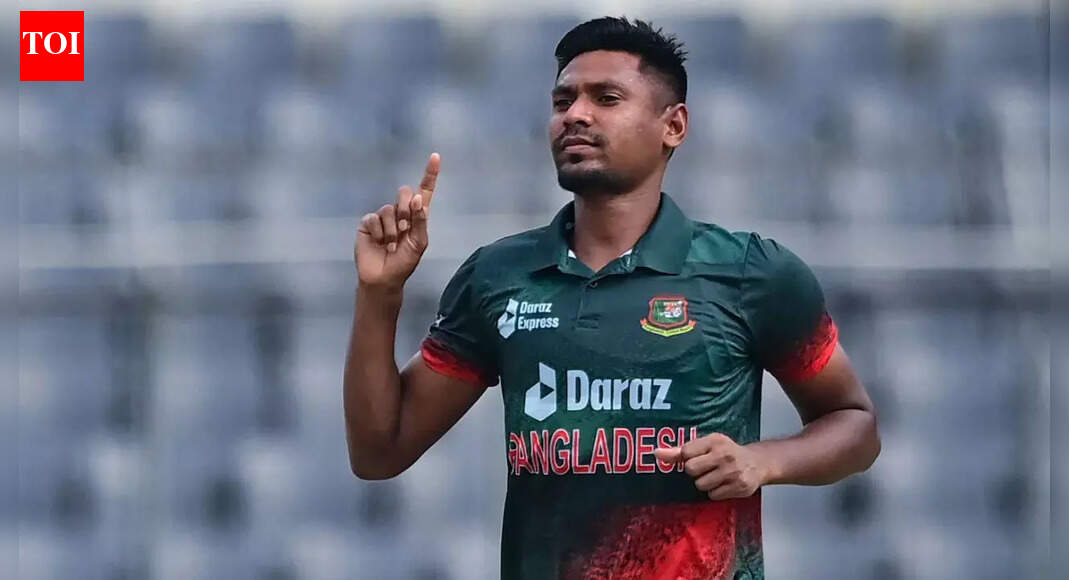
The cricket world is buzzing with a bombshell development: Bangladesh seeks to shift its T20 World Cup league matches from India to Sri Lanka. This explosive demand stems from “concerns about players’ safety” after star pacer Mustafizur Rahman’s dramatic removal from the Indian Premier League (IPL) at the BCCI’s directive.
For Sports Fans and Cricket Enthusiasts, this isn’t merely a political spat; it challenges tournament integrity and player security. The implications for international cricketing relations and Sports India are profound.
The controversy ignited when Kolkata Knight Riders (KKR) released Mustafizur Rahman, acquired for Rs 9.20 crore. Bangladesh’s four T20 World Cup fixtures, three in Kolkata and one in Mumbai, now face potential relocation, casting a shadow over the tournament.
We explore the immediate chaos, ripple effects, and long-term structural shifts this unprecedented request could bring to global cricket and the future of the IPL.
Key Data
| Match Fixture | Date | Original Venue |
|---|---|---|
| Bangladesh vs West Indies | February 7 | Kolkata |
| Bangladesh vs Italy | February 9 | Kolkata |
| Bangladesh vs England | February 14 | Kolkata |
| Bangladesh vs Nepal | February 17 | Mumbai |
Detailed Analysis
The T20 World Cup, a global spectacle uniting nations through the thrilling short format of cricket, is now facing an unprecedented challenge that transcends the boundary ropes. For Sports Fans, the tournament is usually about breathtaking catches, towering sixes, and nail-biting finishes. But this year, the spotlight has swung sharply towards the geopolitical chessboard following Bangladesh’s audacious demand for a shift in their league matches. The value of international stars like Mustafizur Rahman, not just to their national teams but also to lucrative domestic leagues like the IPL, is immense. His acquisition by Kolkata Knight Riders for a staggering Rs 9.20 crore underscored his market worth and pivotal role as a left-arm pacer. This latest development signals a concerning escalation in cricket, where diplomatic tensions now threaten to overshadow the game itself, creating a precarious environment for players and administrators alike.
At the heart of this storm lies the Bangladesh Cricket Board (BCB)’s instruction from the country’s sports ministry to formally request the International Cricket Council (ICC) for a venue change. Government adviser Asif Nazrul explicitly stated his directive on social media, emphasizing that if a Bangladeshi cricketer, despite being under contract, cannot play in India, then the national team cannot feel safe traveling for the World Cup. Kolkata Knight Riders’ (KKR) release of Mustafizur Rahman, directly influenced by a BCCI diktat, sparked these safety concerns. The four key league matches Bangladesh aims to shift include fierce contests against West Indies (February 7), Italy (February 9), and England (February 14) – all originally scheduled for Kolkata – followed by their final group match against Nepal (February 17) in Mumbai. However, a BCCI source swiftly dismissed the feasibility, labeling such a last-minute change a “logistical nightmare” affecting opposition teams, broadcast crews, and extensive pre-booked arrangements.
This situation, while urgent, isn’t entirely without precedent. India’s arch-rival Pakistan, for instance, already plays their T20 World Cup matches in Sri Lanka, an arrangement reached months ago due to existing geopolitical sensitivities. This highlights a potential inconsistency or at least a lack of standardized policy from the ICC regarding venue flexibility based on political climates. The BCCI’s subtle indication that Mustafizur Rahman’s removal was “triggered by recent developments” points to the sharply deteriorating Indo-Bangladesh relations, particularly following the ouster of former Bangladesh Prime Minister Sheikh Hasina and subsequent violent attacks targeting Hindus. While sports often aims to transcend politics, this incident underscores how deeply entwined they remain, creating complex challenges for tournament organizers and national boards. [Suggested Matrix Table: Comparison of Pakistan’s and Bangladesh’s T20 World Cup Venue Requests]
For Sports Fans, Cricket Enthusiasts, and Sports Analysts, this controversy injects fresh uncertainty into the T20 World Cup. The immediate concern is whether Bangladesh’s fixtures will shift, a logistical nightmare the BCCI deems virtually impossible. This situation sets a precarious precedent for player safety, highlighting athletes’ vulnerability to geopolitical currents impacting their IPL careers and international commitments. Cricket lovers should closely monitor the ICC’s official response, which will define how global tournaments navigate such politically charged disputes. This episode forces a crucial discussion: can cricket truly thrive when off-field tensions cast such a long shadow? This evolving story could significantly influence tournament structures, player contracts, and international sporting diplomacy.
About the Author