Key Takeaways
Indore’s water contamination tragedy creates economic strain. Analyze financial burden on households, municipal governance risks, and investment shifts in India.
Overview
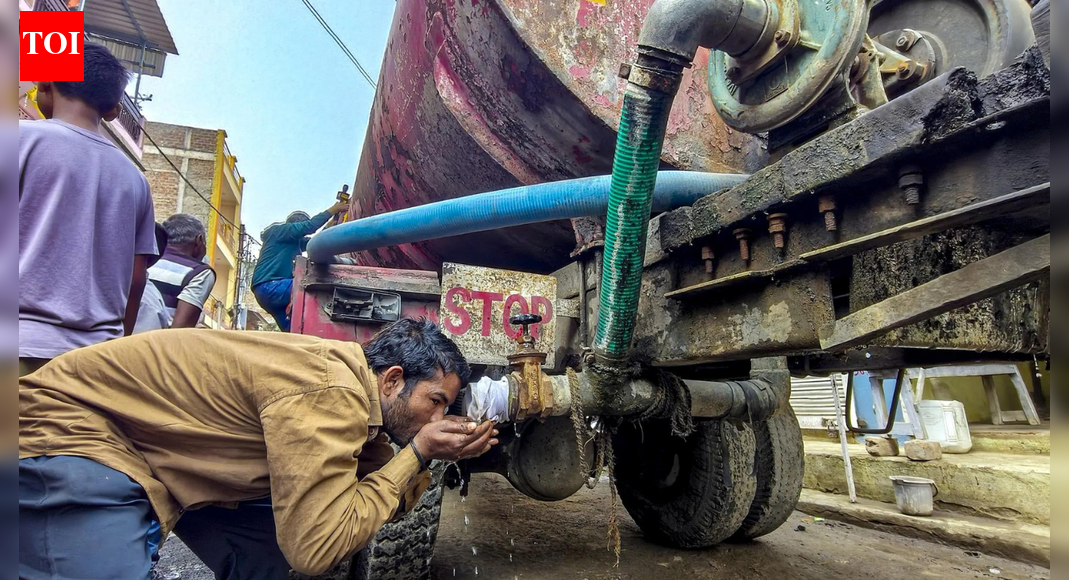
The tragic water contamination incident in Indore, Madhya Pradesh, India’s repeatedly ranked cleanest city, has severely eroded public trust in municipal water supplies, creating a notable shift in household expenditure. This crisis, resulting in multiple fatalities and widespread illness, introduces a new layer of economic complexity for residents and has broader implications for regional investment sentiment.
For retail investors, swing traders, long-term investors, and finance professionals, this situation highlights underlying risks in urban infrastructure governance and consumer spending patterns. It underscores the importance of public health infrastructure resilience as a factor influencing local economic stability and potential investment opportunities.
Official reports confirm at least six deaths and over 200 hospitalizations, while residents now spend ₹20 to ₹30 per water jar for bottled supplies. These direct and indirect costs are immediately impacting low- and middle-income households.
This article provides an analysis of the short, medium, and long-term economic ripple effects of the Indore water crisis and outlines key areas for investors to monitor within the Indian market, particularly concerning public services and related sectors.
Key Data
| Indicator | Official/Confirmed | Local/Indicated | Economic Implication |
|---|---|---|---|
| Fatalities | 6 | 10-16 | Human capital loss, healthcare strain |
| Hospitalizations | >200 | N/A | Increased public health expenditure |
| Daily Water Cost/Jar | N/A | ₹20-₹30 | Household financial burden, new market demand |
Detailed Analysis
The Indore water crisis presents a compelling case study in how public health failures can translate into tangible economic shifts and investor considerations. Historically lauded for its civic cleanliness, Indore’s reputation now faces scrutiny, which could impact its attractiveness for future investments. The immediate pivot by residents from municipal tap water to bottled alternatives, driven by fear and necessity, represents a direct and measurable shift in consumer spending. This involuntary reallocation of household budgets, particularly among low- and middle-income groups, underscores the fragility of perceived cost savings from public utilities when trust erodes. Such incidents can compel municipal bodies to re-evaluate infrastructure spending and emergency preparedness, directly impacting municipal bond markets and public sector undertakings involved in urban development across India.
Detailed analysis of the crisis reveals its multi-faceted economic impact. With official confirmations of six deaths and over 200 hospitalizations, the human cost is tragically evident. However, the disputed death toll, ranging up to 16 by residents’ accounts, signals a deeper crisis of public confidence and potentially an underestimation of the outbreak’s severity. The forced expenditure of ₹20 to ₹30 per water jar by households previously reliant on free or subsidized tap water signifies a direct increase in living costs. This additional financial burden, aggregated across thousands of households, represents a significant drain on discretionary income, potentially suppressing demand for other goods and services in the local economy. The district administration’s swift response, including an information campaign, pipeline chlorination, and the transfer/suspension of key municipal officials, indicates a serious effort to restore confidence, yet the long-term economic recovery will depend on sustained trust in public services.
When compared to broader urban development trends in India, the Indore water crisis highlights critical vulnerabilities in infrastructure resilience, even in top-tier cities. While specific financial metrics related to listed companies or a direct market index are not disclosed in the source, the incident serves as a crucial benchmark for evaluating municipal governance risks. Investors often consider factors like infrastructure quality, public health robustness, and administrative efficiency when assessing the long-term viability and growth potential of urban centers. This event may prompt increased scrutiny on water utility companies and infrastructure development firms operating in other major Indian cities, potentially leading to a re-rating of their operational risks or demanding higher standards for project execution. The surge in demand for bottled water also creates a localized, short-term boom for packaged drinking water companies, offering a nuanced comparative insight into consumer behavior shifts during crises.
For retail investors, the immediate and sustained demand for bottled water could signal short-term opportunities in the packaged drinking water sector, as well as firms specializing in water purification technologies. Swing traders might observe price movements in regional consumer goods companies responding to this demand shift. Long-term investors and finance professionals should critically assess municipal financial health, public utility investment patterns, and the governance frameworks of companies deeply integrated into urban infrastructure projects across India. The crisis underscores that robust public health infrastructure is not merely a social expenditure but a fundamental pillar of economic stability and investor confidence. Monitoring municipal budget allocations for water infrastructure upgrades and public health initiatives in the coming quarters will be essential for gauging the long-term investment implications and risk mitigation efforts.
About the Author