Key Takeaways
Maduro’s capture reshapes Iran’s ‘axis of resistance’. Analyze short, medium, and long-term geopolitical and market impacts for investors.
Overview
The recent military operation leading to the capture of Venezuelan President Nicolás Maduro signals a profound geopolitical shift, delivering a substantial blow to the Islamic Republic of Iran’s strategic interests and its “axis of resistance.” Experts contend this development directly impacts global stability and emerging market investments, particularly relevant for the Stock Market India and broader financial analysis.
For retail investors, swing traders, and finance professionals, comprehending this shift is vital for assessing country-specific risk premiums and potential disruptions to global trade. The event highlights illicit financial networks and regional power dynamics, necessitating a reassessment of investment strategies in volatile geographies, potentially affecting NSE and BSE-listed entities.
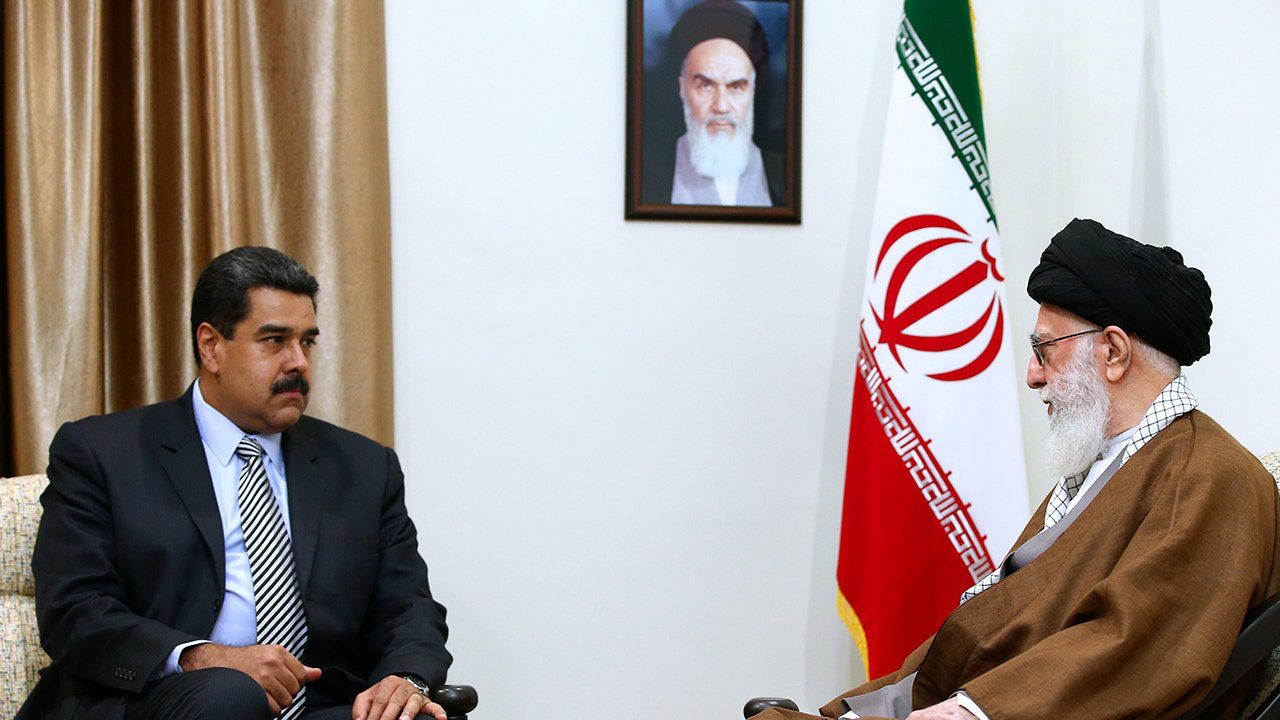
Analysts confirm Maduro’s long-time alliance with Tehran, facilitating operations in drug trafficking, power projection, and military partnerships involving drones. This capture is projected to significantly diminish Iran’s access to vital revenues and resources, a sentiment echoed by expert Potkin Azarmehr.
This article provides a detailed financial analysis of these geopolitical ramifications, outlining short, medium, and long-term investor implications for global and Indian markets.
Detailed Analysis
The capture of Venezuelan President Nicolás Maduro, as part of a U.S. military operation, fundamentally alters a critical axis in global geopolitics. For years, Venezuela under Maduro served as a pivotal ally for the Islamic Republic of Iran, operating under a shared banner of “anti-imperialism and Americanism” in the Western Hemisphere. This alliance extended beyond political rhetoric, encompassing significant operational collaborations. Experts, including Jason Brodsky of United Against Nuclear Iran (UANI), highlight Venezuela’s role as an operational hub for terrorism, drug trafficking, and power projection for Iran and Hezbollah in Latin and South America. Furthermore, a military partnership, particularly concerning drone technology, underscored the depth of this strategic alignment. This interconnectedness meant that developments in one nation had tangible ripple effects on the other, influencing global perceptions of risk and stability, which in turn affect investor confidence and capital flows.
Maduro’s capture represents a devastating setback for Iran’s regional and international ambitions. The immediate disruption to its operational hub in Venezuela, coupled with the loss of a key political ally, directly impacts Iran’s ability to project power and facilitate illicit activities. Jason Brodsky of UANI emphasizes that the severity of this blow will largely depend on the successor regime in Venezuela, yet the fundamental shift is undeniable. The cessation or significant curtailment of Venezuela’s role in drug trafficking and as a conduit for terrorist activities under Iranian influence will undoubtedly impact Tehran’s illicit revenue streams and resource availability, a point underscored by British-Iranian expert Potkin Azarmehr. From an investor perspective, any disruption to such networks introduces systemic risk, potentially leading to increased scrutiny on financial flows linked to these regions. Iran’s Foreign Ministry strongly condemned the U.S. action, reflecting the strategic importance of this alliance and its potential impact on global investment climate. Moreover, the event bolsters the perception of U.S. deterrence, influencing geopolitical risk assessments and market volatility.
This development aligns with a broader erosion of Iran’s “axis of resistance.” The effective collapse of Syria’s Assad regime and Hezbollah’s weakening in Lebanon preceded this. A shift in Bolivia’s presidency to a center-right leader, re-establishing ties with Israel, further diminished Iran’s influence. Maduro’s capture adds another critical layer, severely damaging the regime’s global footprint and perceived strength, especially in the Western Hemisphere. This sequence signals a potential shift in global power dynamics, reducing operational scope for states and non-state actors reliant on such alliances. Investors should interpret this as a progressive unravelling of a key geopolitical bloc, altering risk profiles for sovereign bonds, commodity prices, and emerging market equities. Enhanced U.S. deterrence may impact global trade and investment confidence.
For retail investors, swing traders, and finance professionals, Maduro’s capture necessitates a re-evaluation of geopolitical risk in investment portfolios. Short-term, expect increased volatility in emerging markets and sectors sensitive to geopolitical tensions, potentially influencing Nifty and Sensex movements. Medium-term, the disruption to Iran’s illicit revenue streams could impact specific commodity markets and the defense sector as global powers reassess security postures. Long-term, the weakening of the “axis of resistance” could lead to greater global stability, potentially reducing geopolitical risk premiums, though initial uncertainty remains. Monitor upcoming political transitions in Venezuela and Iran’s strategic responses. Key risks include potential retaliatory actions or further regional destabilization. Opportunities may emerge in markets benefiting from increased global stability or shifts in trade routes, warranting careful financial analysis and strategic asset allocation.
About the Author